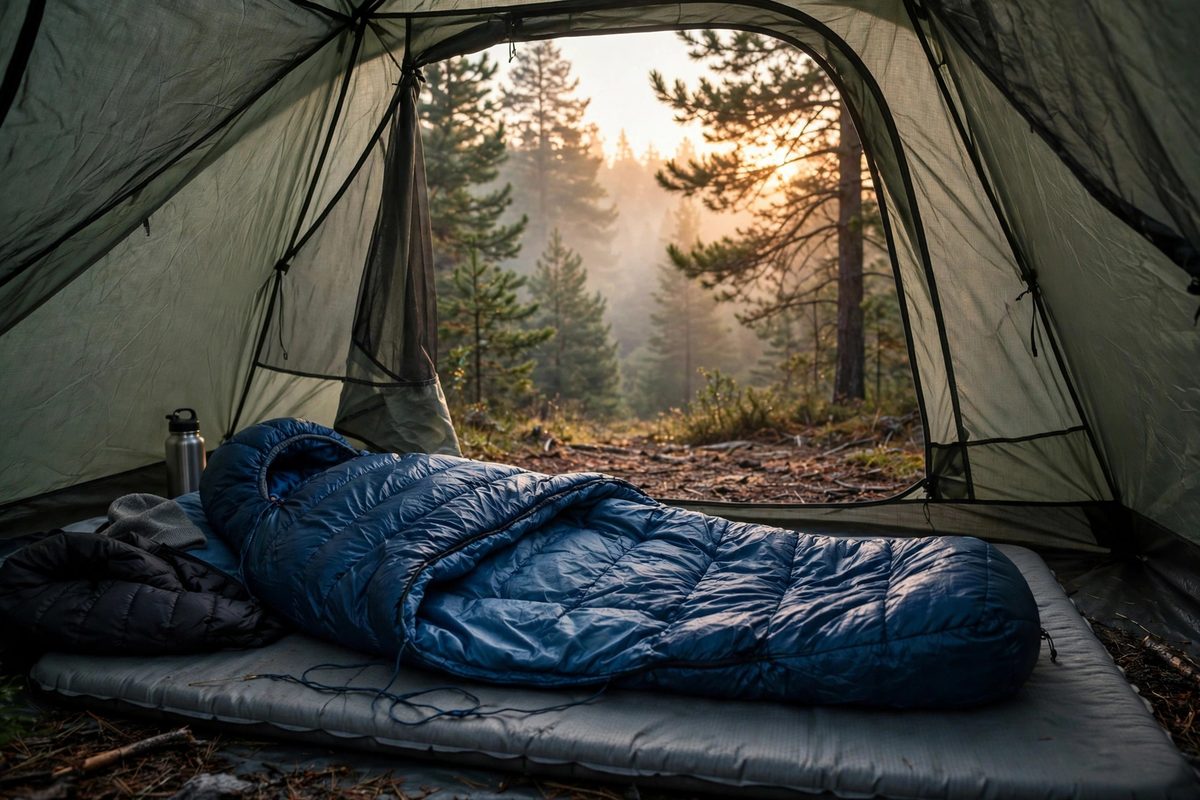
By the Gandermountains.us team ·
As an Amazon Associate, we earn from qualifying purchases. See our Affiliate Disclosure for how links on this site work.
Gandermountains.us is an independent gear guide. We are not affiliated with Gander Mountain, Gander Outdoors, or Camping World, and Gander Mountain is a trademark of its owner. Nothing on this page is sold by or endorsed by the brand. When we name a product below, it is a current alternative from a real manufacturer — not Gander Mountain gear, and we will not pretend otherwise.
A good night's sleep is the foundation of every camping trip, and your sleeping bag does most of the work. Pick the wrong one and you will shiver through the night or sweat in a bag built for far colder weather; pick the right one and you will wake up rested and ready for the trail. The problem is that sleeping bag shopping is full of confusing numbers — temperature ratings, fill power, loft, EN/ISO standards — and manufacturers do not always explain what they mean.
This guide explains how to choose a sleeping bag step by step, in plain language. You will learn how temperature ratings really work, the honest trade-offs between down and synthetic fill, which shape suits your style of camping, and how fit, weight and small details like zips and draft tubes affect your comfort. By the end you will know exactly what to look for — and what you can safely ignore. This guide is independent: some product links may earn us a small commission at no extra cost to you, as explained in our affiliate disclosure.
At a glance: choosing a sleeping bag
| Decision | Best for most campers | Watch out for |
|---|---|---|
| Shape | Mummy for backpacking; rectangular for car camping | Mummy bags feel tight if you toss and turn |
| Temperature rating | Shop by the EN/ISO comfort rating, 10°F colder than expected | Extreme ratings are survival figures, not comfort |
| Fill | Down for light, dry trips; synthetic for damp or budget trips | Down loses insulation when wet |
| Fit | Regular up to 6 ft; long for taller sleepers | A bag too short compresses insulation at the feet |
| Weight | Under 3 lb (1.4 kg) for three-season backpacking | Car campers should ignore weight and buy comfort |
| Care | Air out after trips; store loose, never compressed | Storing compressed crushes loft and warmth |
How to Choose a Sleeping Bag: Start With Shape
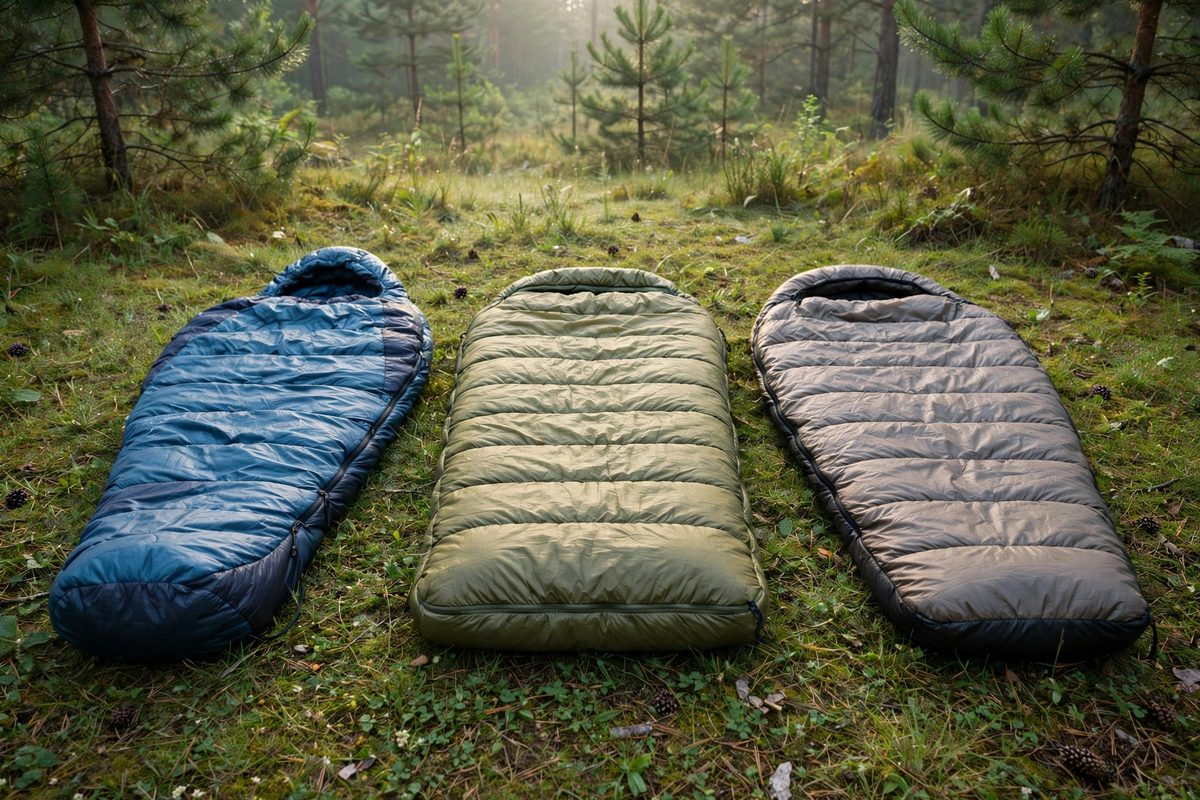
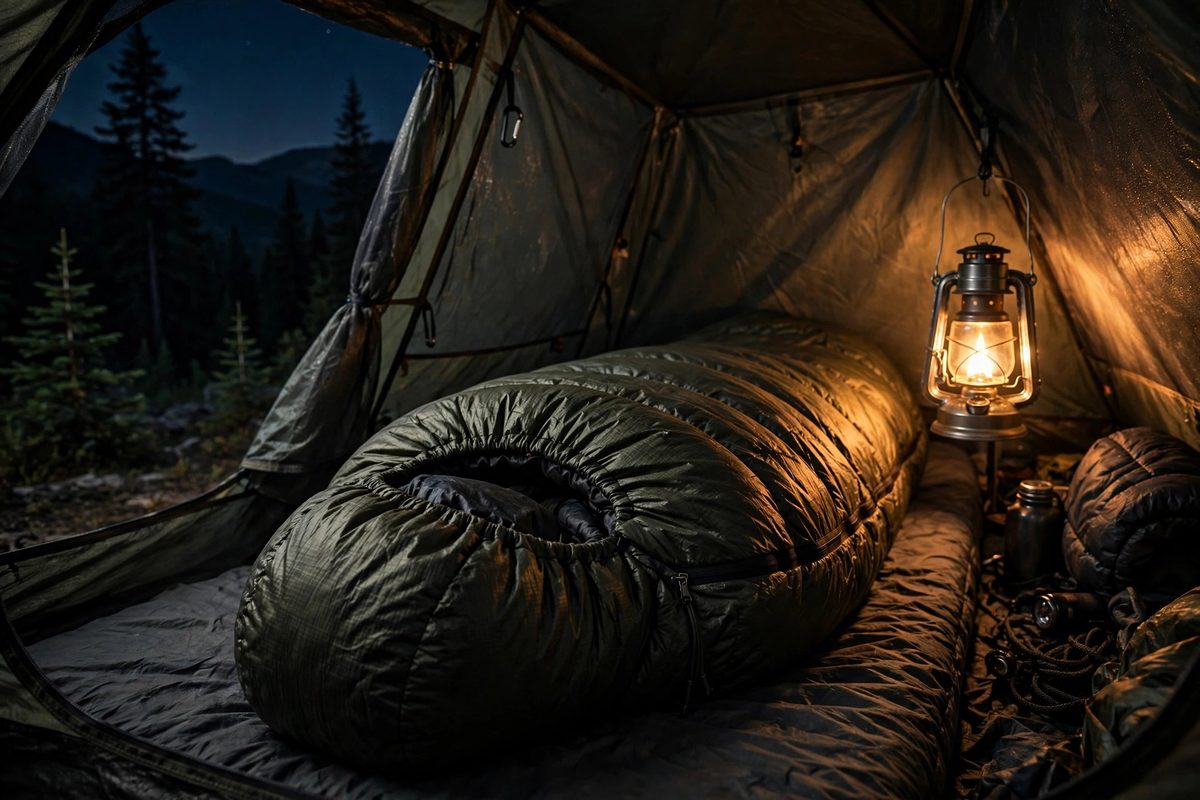
The first decision when learning how to choose a sleeping bag is the shape, because it sets the warmth, weight and comfort of everything that follows. A mummy bag tapers from the shoulders to the feet and wraps closely around your body, which leaves little air to heat and makes it the warmest shape for its weight. That is why mummy bags dominate backpacking and cold-weather camping — they pack small, weigh less and keep you warm with less insulation.
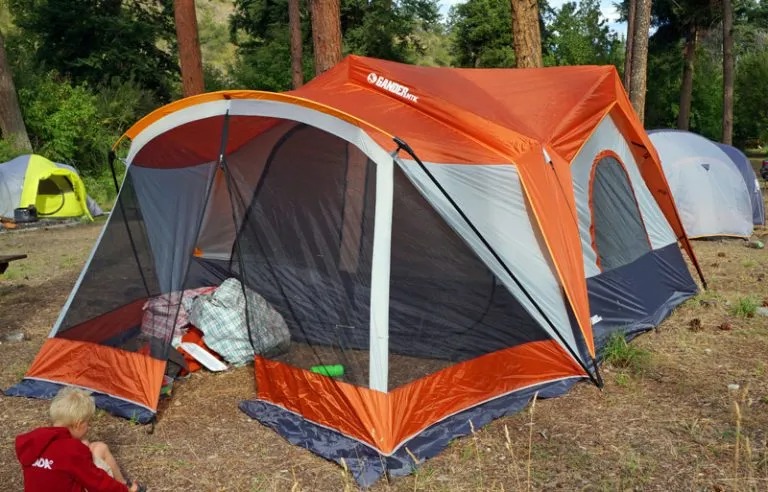
A rectangular bag is the opposite: straight sides, room to move, and a feel closer to your bed at home. It is heavier and less thermally efficient, but many campers — especially car campers and restless sleepers — find it far more comfortable. A semi-rectangular bag sits in between, with a gentle taper that saves some weight while keeping more elbow room than a true mummy. If you mostly camp by car, a rectangular or semi-rectangular bag is often the happier choice; if you carry your kit on your back, a mummy bag is usually the smarter buy. Our camping gear guides explain how a sleeping bag fits into a complete camp setup, from tents to sleeping pads.
Sleeping Bag Temperature Ratings Explained
Temperature ratings are the most important — and most misunderstood — number on a sleeping bag. Many bags are sold under the EN 13537 or ISO 23537 standard, which tests bags with a heated manikin and publishes three figures: a comfort rating, a limit rating and an extreme rating. The comfort rating estimates the temperature at which an average sleeper stays comfortable through the night; the limit rating is the lowest temperature at which an average sleeper can still sleep curled up; the extreme rating is a survival figure, not a comfort figure, and sleeping at that temperature would be a miserable, possibly dangerous night.
The practical rule is simple: shop by the comfort rating, and buy a bag rated about 10°F (5°C) colder than the lowest temperature you expect to camp in. A bag rated to 20°F by its comfort rating is genuinely usable near 20°F, while a bag that only advertises an extreme rating of 20°F will leave you cold well above that temperature. Also remember that ratings assume you are sleeping on an insulated pad, wearing base layers and using a tent — the bag alone does not do all the work. If you camp in shoulder seasons, read our cold-weather layering guide to understand how clothing and insulation work together overnight.
Down vs Synthetic Fill: Which Insulation Suits Your Trips
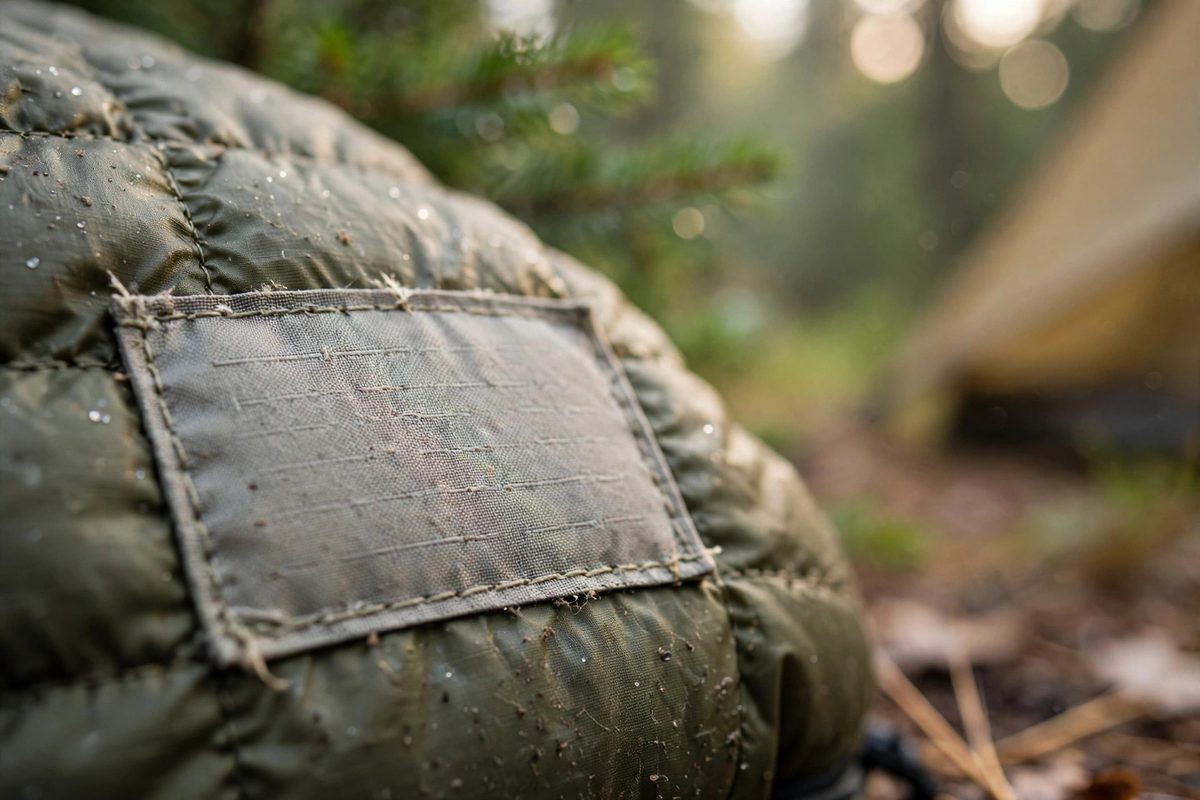
The insulation inside your bag is either down — the soft plumage of ducks or geese — or a synthetic polyester fill, and each has clear strengths. Down offers the best warmth for its weight: it compresses to a tiny packed size, lofts up beautifully, and a good down bag can last a decade or more with proper care. Fill power, measured in cubic inches per ounce, tells you how much the down lofts — 550 fill power is solid for general use, while 800+ is premium, lighter and more compressible. The weakness of down is moisture: when it gets wet it clumps, loses its loft and stops insulating until it dries.
Synthetic fill is made of polyester fibres engineered to trap air, and it keeps insulating even when damp, dries faster and costs considerably less than down. The trade-off is bulk and weight: a synthetic bag of the same warmth is larger in your pack and heavier on your back, and synthetic fibres gradually lose loft over years of compression. For dry backpacking trips where weight matters, down is hard to beat; for damp climates, canoe trips, kids' bags and tight budgets, synthetic is often the more sensible choice. There is no wrong answer — only the right fill for the trips you actually take.
Getting the Right Fit: Length, Width and Shoulder Room
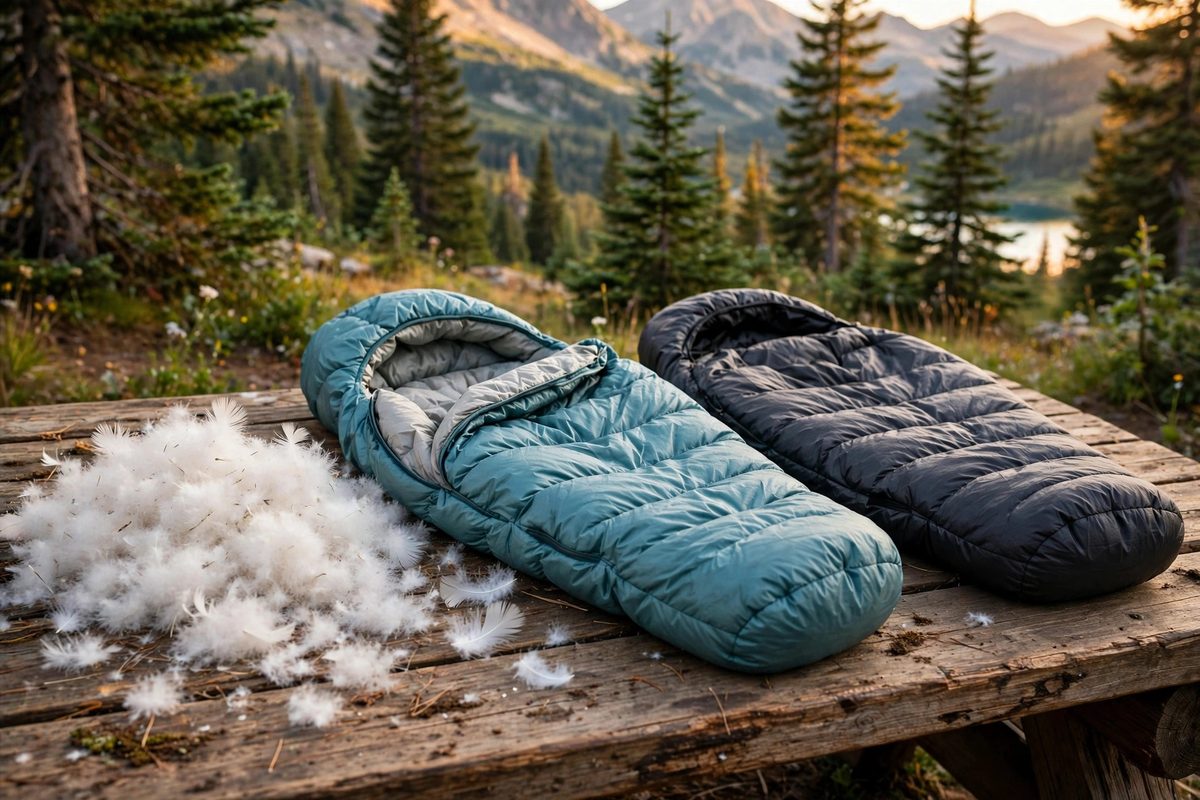
Fit is easy to overlook and miserable to get wrong. A bag that is too short leaves your feet pressed against the end, compressing the insulation exactly where you need it most, while a bag that is far too long leaves dead air space your body must heat all night. Most brands offer regular and long sizes: a regular typically fits sleepers up to about 6 feet (183 cm), and a long suits taller campers. Check the stated length against your height before you buy, and remember that a hood you can cinch around your face matters in cold weather.
Width matters just as much. Shoulder girth — the circumference of the bag at the shoulders — decides whether you can roll over, bend your knees or sleep on your side without feeling straitjacketed. Broad-shouldered sleepers, side sleepers and anyone who tosses and turns should look for a wider cut or a semi-rectangular shape rather than a narrow mummy. Women's-specific bags are also worth knowing about: they are typically cut shorter and wider at the hips, with extra insulation around the torso and feet, reflecting the way many women sleep colder. Whatever your shape, a bag that fits lets the insulation loft fully around you — and loft is warmth.
Weight and Packed Size: What Backpackers Should Look For
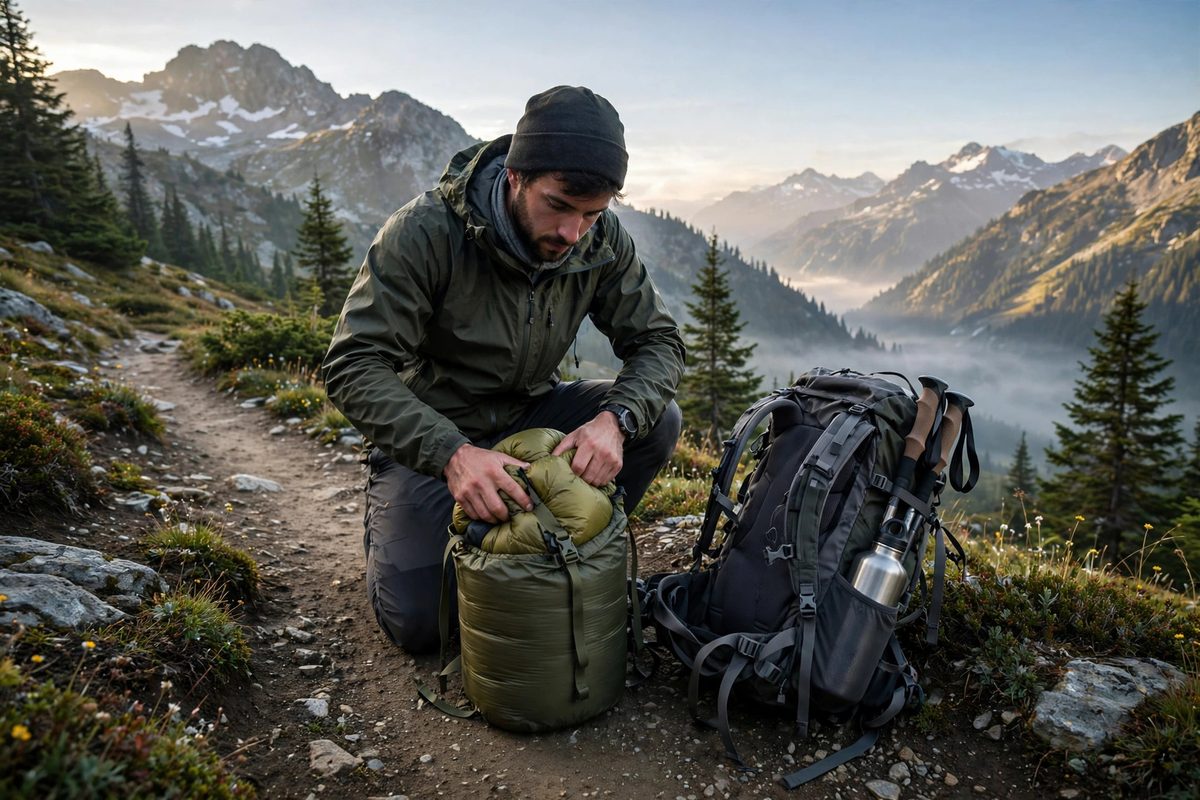
If you carry your sleeping bag on your back, weight and packed size are real constraints — every ounce rides on your shoulders for every mile. As a rough guide, a three-season backpacking bag under 3 pounds (1.4 kg) is reasonable, and under 2 pounds (0.9 kg) is genuinely light. Down bags usually win here: the same warmth in down packs noticeably smaller than in synthetic, which leaves more room in your pack for food, layers and water.
For car camping, ignore packed weight almost entirely and spend the budget on comfort instead — a roomier bag with a lower temperature rating will serve you far better than a featherweight one. Whatever your style, check the packed size as well as the weight: a bag that compresses short fits inside a pack rather than strapped outside, where it snags branches and unbalances your load. A compression stuff sack helps, but do not store the bag compressed at home — that belongs in the care section below. If you hike as well as camp, our hiking gear guides cover packs and footwear that pair with a light sleep system.
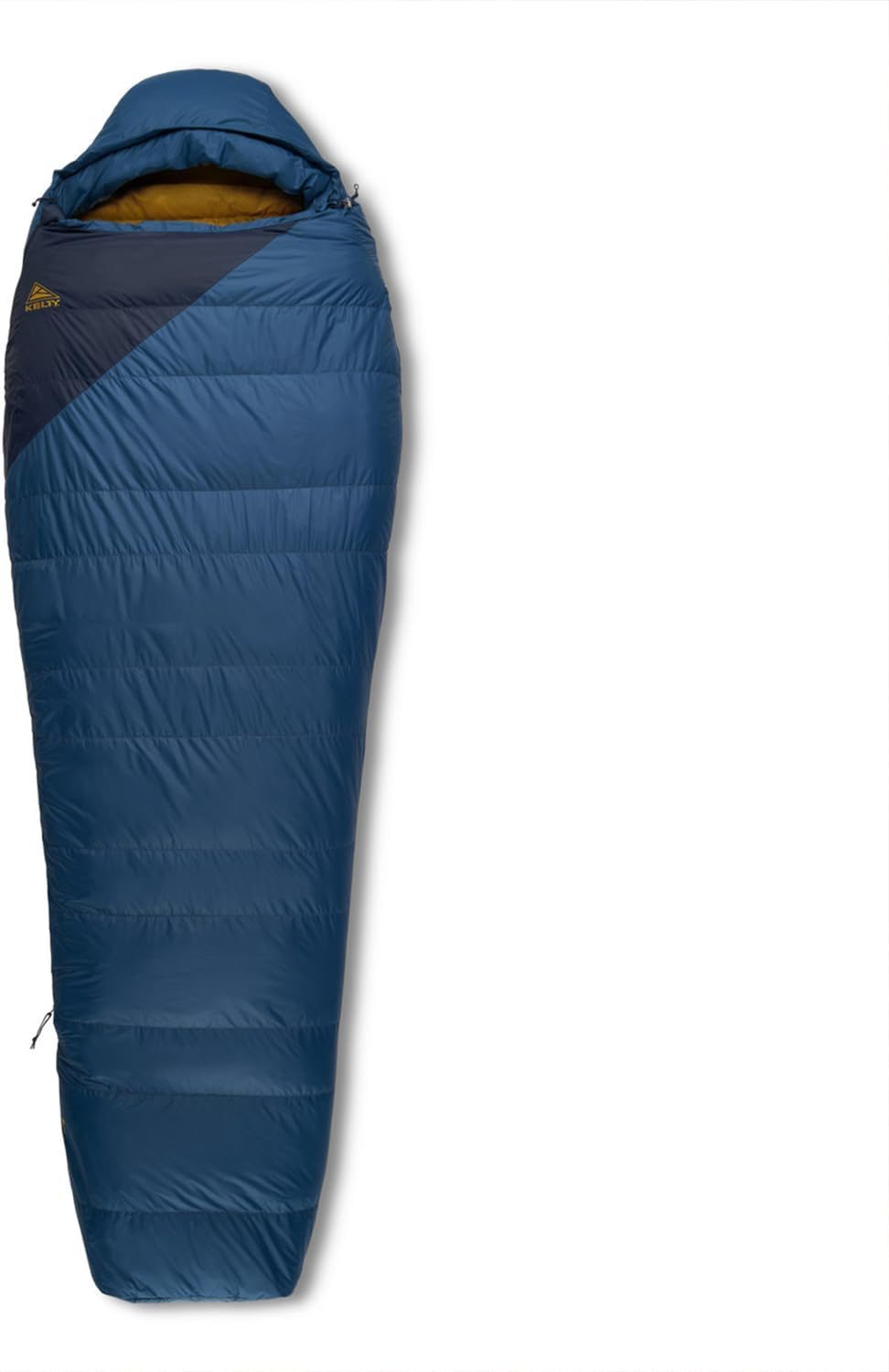
Kelty Cosmic 20 Down Mummy Sleeping Bag (2024 Model)
A 550-fill-power down mummy bag rated to 20°F, with a large footbox and compression stuff sack — a proven three-season choice for backpackers who want down warmth without a premium price.
Check price on Amazon ↗Zippers, Draft Tubes and Hoods: The Details That Keep You Warm
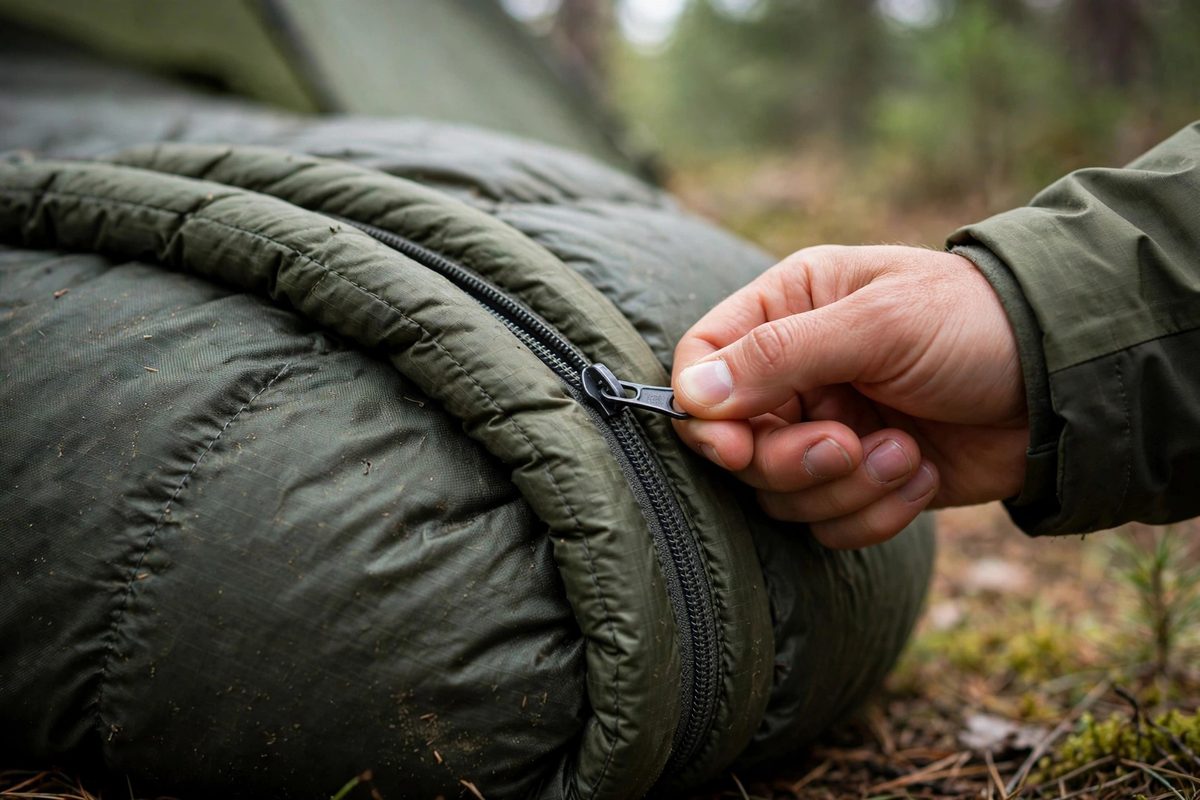
Small features make a surprising difference to how warm and comfortable a bag feels. The zip is the first thing to check: a two-way zip lets you vent from the foot end on warm nights, and an anti-snag guard stops the fabric catching every time you open or close the bag — a frustration you will notice on night one. Bags that zip together with a partner bag are a bonus for couples, and a left-zip and right-zip pair is what makes that possible.
A draft tube is a padded flap of insulation running along the inside of the zip, and it stops cold air leaking in through the zipper teeth — a full-length tube is a sign of a well-designed bag. The hood is the other key detail: a well-shaped, adjustable hood with a drawcord seals around your face and keeps the warm air in, while a draft collar — a padded tube around the neck — stops heat escaping from the top of the bag. These details cost little and add real warmth, so check for them before you compare headline temperature ratings.
Weather, Shell Fabrics and Water Resistance
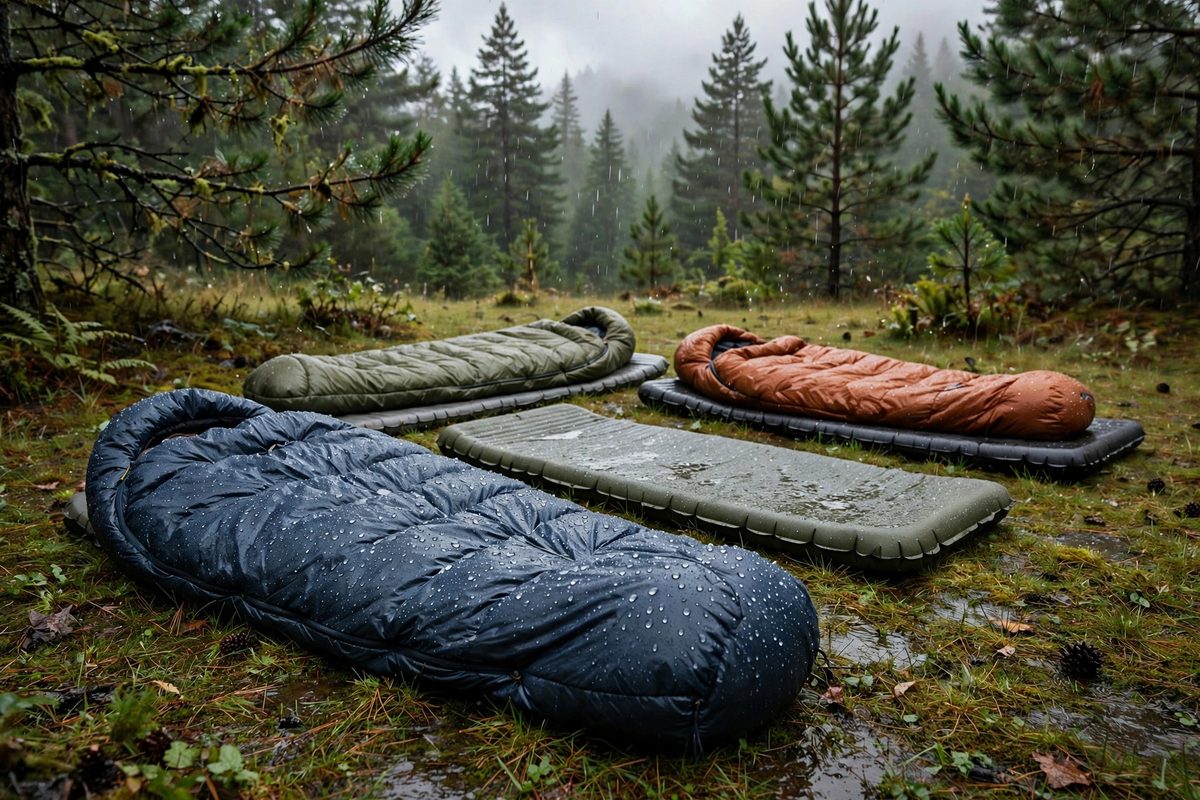
Sleeping bags are not rain gear, but the shell fabric still matters — especially if you camp in damp climates or sleep under a tarp. Most shells are ripstop nylon or polyester with a durable water-repellent (DWR) finish that makes light rain and dew bead up and roll off instead of soaking in. A DWR shell buys you time and protects the insulation from condensation inside the tent, but it will not keep a bag dry in a downpour, so a dry bag or a waterproof stuff sack is worth carrying on wet trips.
Down bags deserve extra attention here. Standard down loses its insulation when wet, which is why many modern down bags use hydrophobic-treated down that resists moisture longer and dries faster — a useful upgrade if you camp where rain is likely. Synthetic fill, by contrast, keeps working when damp and dries much faster, which is one reason it remains the practical choice for wet climates and younger campers. Whichever fill you choose, the best protection is simple: keep the bag in a waterproof stuff sack while hiking, and never leave it lying on wet ground at camp.
Sleeping Bags for Families and Car Camping
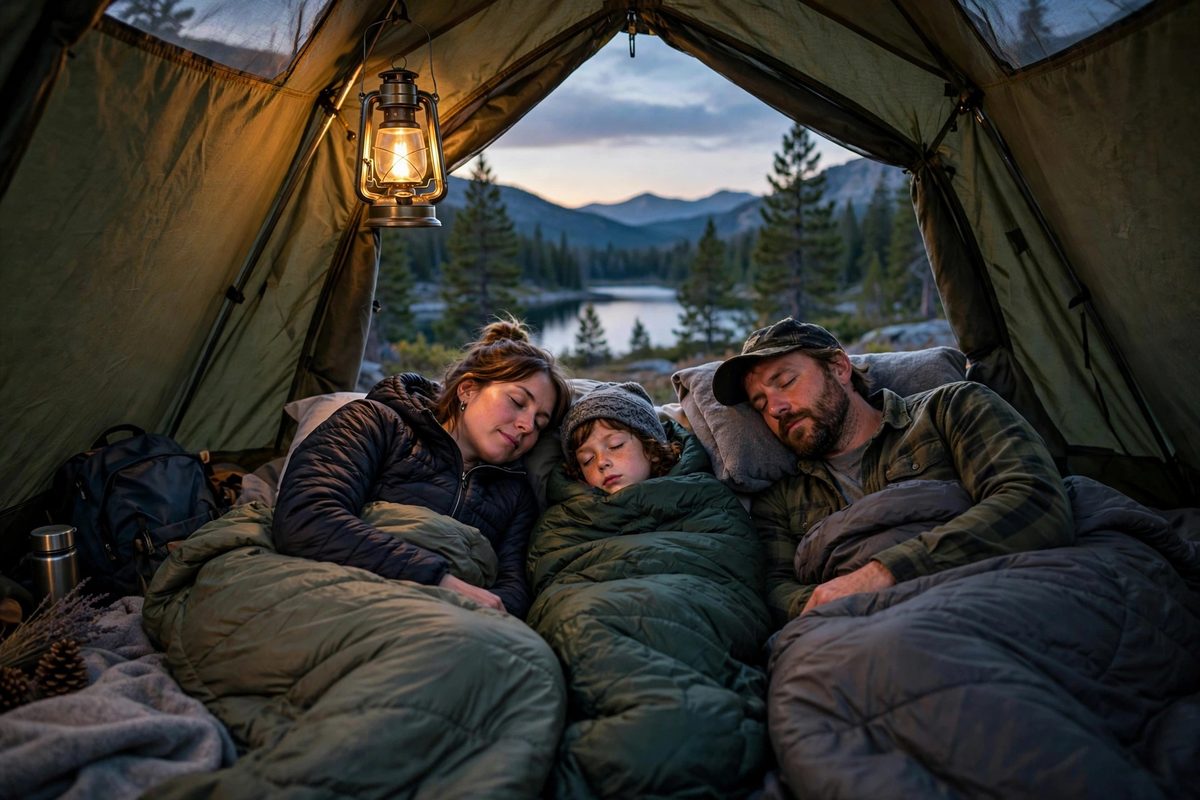
When the car carries your gear, the rules change. Weight and packed size stop mattering, so you can choose for comfort: a roomy rectangular bag, a lower temperature rating for chilly nights, and a soft cotton or flannel lining that feels pleasant against the skin. Family campers often do best with rectangular bags that zip together into a double, which keeps couples warm and saves space in the tent — just check that you are buying one left-zip and one right-zip bag.
Kids deserve the same attention as adults. A bag that is far too big for a child leaves them swimming in cold air space, so look for youth sizes or a bag with an adjustable length, and add a liner for extra warmth on cold nights. For the whole family, a slightly warmer bag than you think you need is cheap insurance: everyone sleeps better warm, and a bag that is too warm can simply be unzipped. Our tent buying guide covers how to size your shelter around the sleeping gear your family actually brings.
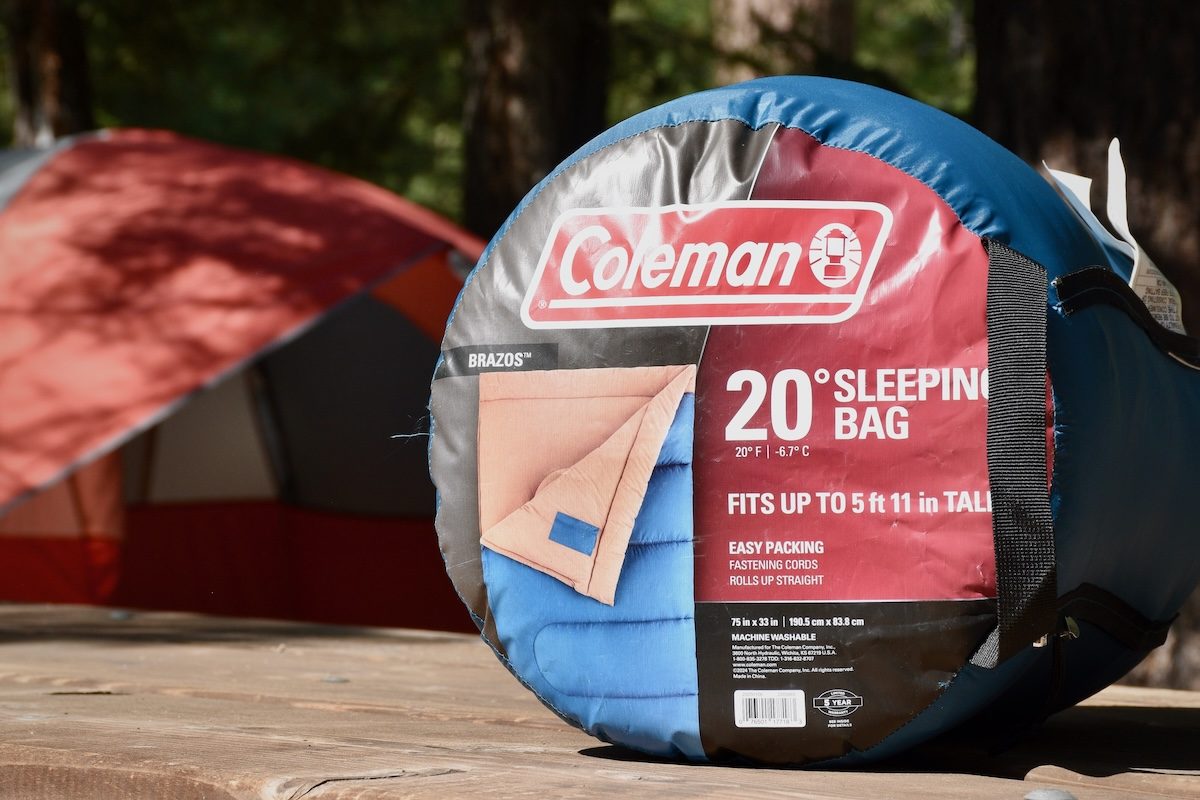
Coleman Brazos 20°F Cold-Weather Sleeping Bag
A budget-friendly cold-weather bag rated to 20°F with a no-snag zipper, stuff sack included and a machine-washable shell — a straightforward, affordable choice for family car camping.
Check price on Amazon ↗Care and Storage: Making Your Sleeping Bag Last for Years
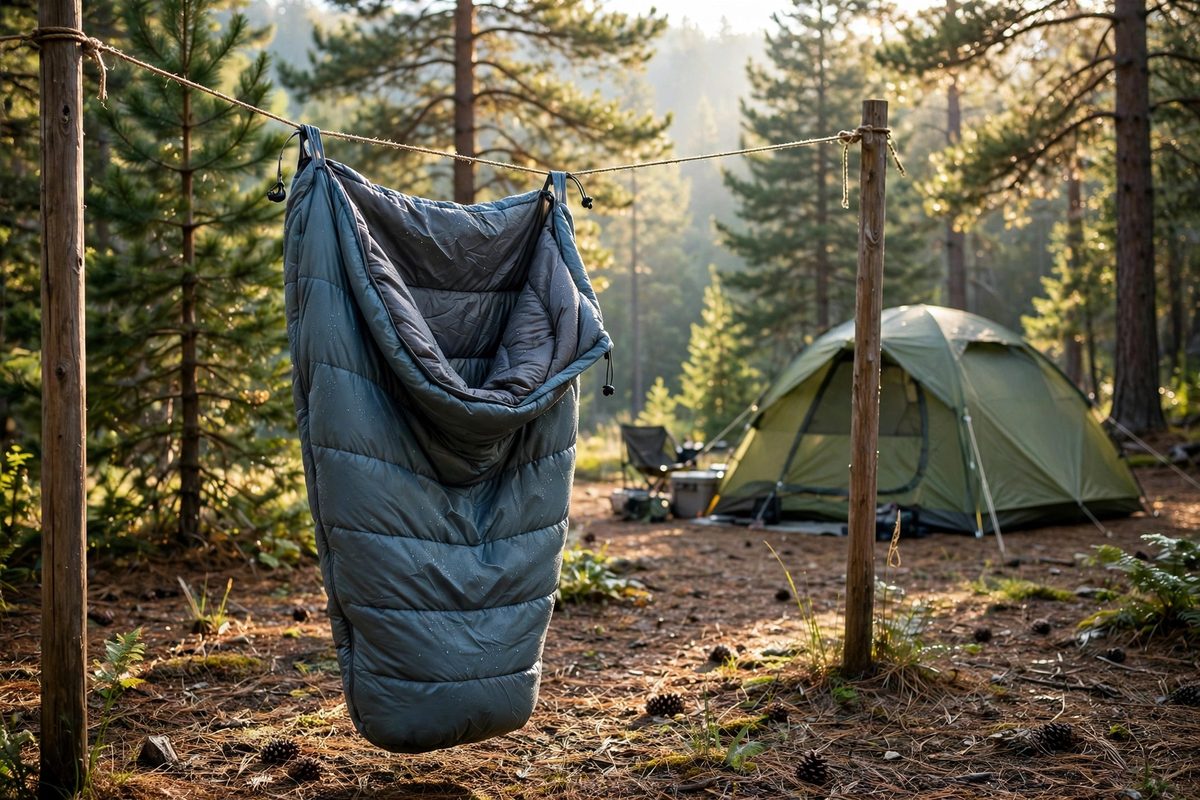
A sleeping bag is an investment, and simple care keeps it warm for years. Air it out after every trip — hang it in the shade or drape it over a line for a few hours — so body moisture and odours do not build up inside the insulation. Most bags only need washing once or twice a season: use a front-loading machine on a gentle cycle with a cleaner made for down or technical fabrics, and dry on low heat with clean tennis balls to break up clumps and restore loft.
Storage matters more than most people realise. Never leave a bag compressed in its stuff sack between trips: constant compression crushes the loft that keeps you warm, especially in down. Instead, store it loose in the large cotton or mesh storage sack that many bags come with, or hang it in a closet. With that one habit — plus keeping it dry and washing it rarely and gently — a quality bag will hold its warmth for many seasons of camping.
Cold-Weather Camping: When to Choose a 0°F Bag
A bag rated to 0°F (-18°C) is a specialist tool, not a default. It suits winter camping, high-altitude trips and cold desert nights, where temperatures genuinely drop below freezing — but it is heavier, bulkier and much warmer than you need on an ordinary summer trip, and you will end up sleeping on top of it. Before buying one, be honest about the coldest night you will actually camp in: most three-season campers are better served by a 20°F bag plus a liner and warm layers.
If you do need a 0°F bag, the rest of your sleep system matters just as much. An insulated sleeping pad with a high R-value stops the ground stealing your warmth from below — a bag cannot insulate what is pressed flat beneath you — and a liner adds a few degrees while keeping the bag cleaner. Read our camping gear guide for how pads, bags and tents work together as one system, and remember that a warm bag, an insulated pad and a cinched hood are the three ingredients of a comfortable cold night.
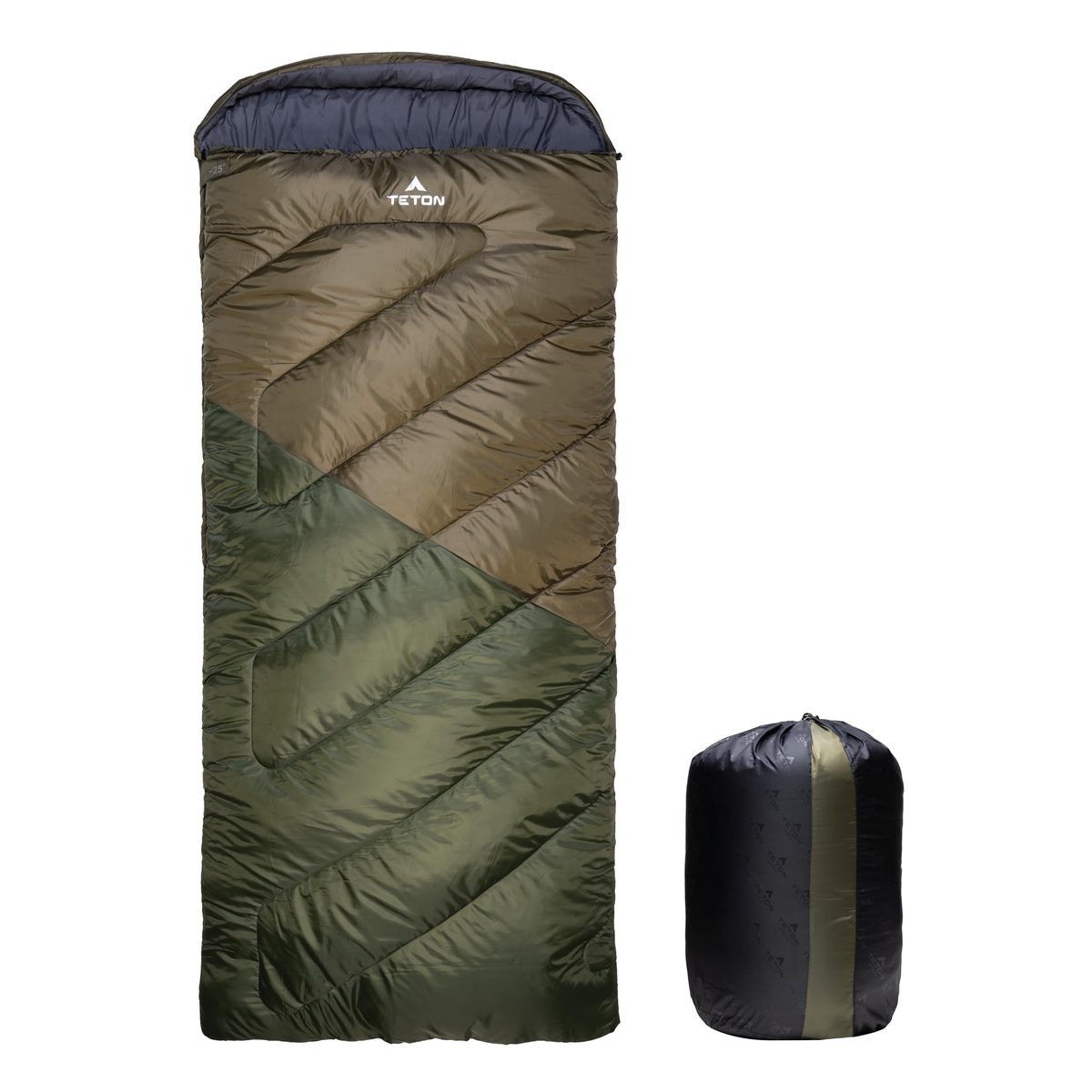
TETON Sports Celsius XXL 0°F Sleeping Bag
An extra-roomy 0°F bag with a flannel lining, compression sack and SuperLoft insulation — built for tall campers and genuinely cold nights at base camp.
Check price on Amazon ↗Frequently asked questions
What temperature rating sleeping bag do I need?
For most three-season camping, a bag rated around 20°F (-7°C) is a versatile starting point. Check the EN/ISO comfort rating rather than the headline number, and buy a bag rated 10°F colder than the lowest temperature you expect — you can always vent a warm bag, but you cannot make a cold bag warmer.
Is down or synthetic better for a sleeping bag?
Down packs smaller, weighs less and lasts longer when cared for, but it loses insulation when wet and costs more. Synthetic fill keeps working when damp, dries faster and costs less, but it is bulkier and heavier for the same warmth. Down suits dry backpacking trips; synthetic suits damp climates and budget buyers.
What is the difference between a mummy and a rectangular sleeping bag?
Mummy bags taper from shoulders to feet, which traps heat efficiently and packs small — ideal for backpackers and cold weather. Rectangular bags give you room to move and feel more like a bed, but they are heavier and less warm. Semi-rectangular bags split the difference and suit car campers who want a bit of both.
What does the EN/ISO temperature rating mean?
Look at the EN/ISO comfort rating, which estimates the temperature at which an average sleeper stays comfortable, rather than the survival-focused extreme rating. A bag rated to 20°F by its comfort rating is genuinely usable near 20°F; a bag that only lists an extreme rating of 20°F will feel cold well above that temperature.
How do I know what size sleeping bag to get?
Choose a bag long enough that your feet do not press against the end — most brands offer regular and long sizes, with long fitting sleepers over about 6 feet. Shoulder girth matters too: broad-shouldered sleepers and side sleepers should check the stated shoulder circumference, and wider or double bags are available for couples and restless sleepers.
How much should a sleeping bag weigh?
For backpacking, aim for a bag under about 3 pounds (1.4 kg) for three-season use, and under 2 pounds (0.9 kg) if you want to go light. For car camping, weight barely matters — spend the budget on comfort, room and a lower temperature rating instead of shaving ounces.
Can you wash a sleeping bag?
Yes, with care. Use a front-loading machine on a gentle cycle with a cleaner made for down or technical fabrics, and dry on low heat with clean tennis balls to restore loft. Never store a bag compressed in its stuff sack — keep it loose in a large cotton or mesh storage sack so the insulation keeps its loft between trips.
That covers the essentials. Browse our camping gear for the gear we cover, and see the blog for more buying guides as we add them.