 Hiking
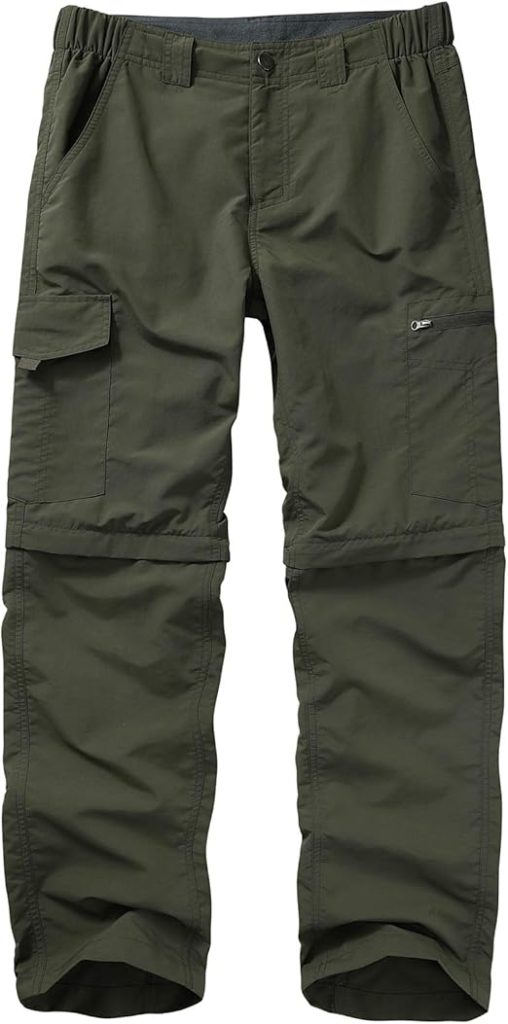
CQR Men’s Flex Stretch Tactical Pants
Lightweight, durable tactical panels with stretch and articulated movement for active outdoor use.
Shop this product ↗
Steep climbs, rocky ground, sudden weather, and long miles — this guide covers the boots, packs, layers, and poles that make the difference on the trail, with links to check prices and sizes.
Trail boots, convertible pants, and pack-ready layers for steep climbs, rocky ground, and long miles — compare the details below, then check sizes and prices.
HikingLightweight, durable tactical panels with stretch and articulated movement for active outdoor use.
Shop this product ↗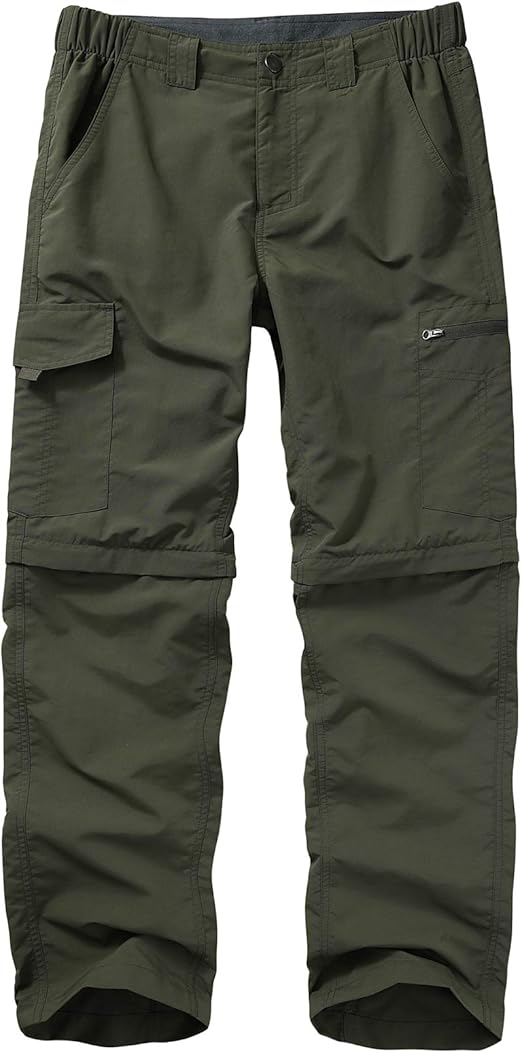 Hiking
Comfortable hiking pants with zipper pockets, elastic waist, gusseted crotch, articulated knees, and ripstop fabric.
Shop this product ↗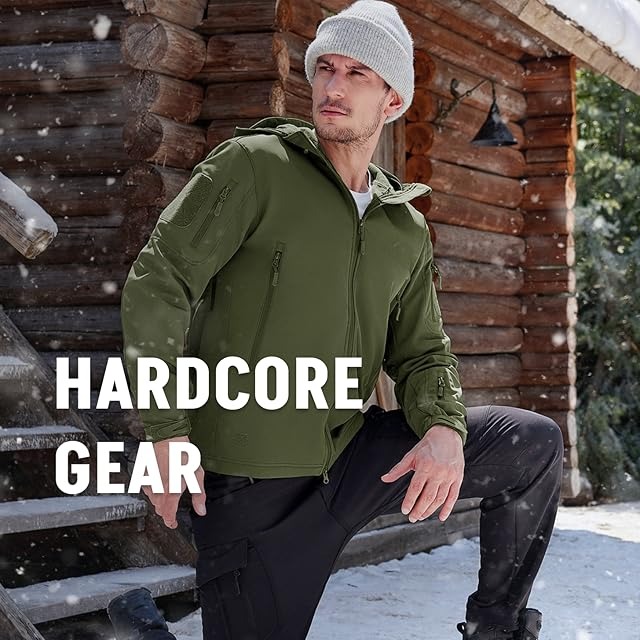 Hiking
Boots, layers, and packs chosen for steep climbs, rocky ground, changing weather, and long distances.
Shop this product ↗Each listing below is a research snapshot: stock, sizes, prices, and delivery terms are set by the shop that sells it — confirm them there before you buy.
Precision-crafted tactical gear. Reinforced with lightweight, durable panels, it ensures unrestricted, agile movement when every second counts. Providing every advantage for law enforcement and military operators.CQR tactical pants feature strategic lite panels that reinforce key zones, delivering durability and lightness for swift motion.
Mens hiking pants with zipper pockets: These Men’s cargo pants are built with elastic waist, relaxed seat and thigh, allows the pants to fit comfortably while you are active or sitting. The gusseted crotch and articulated knees combine with the ripstop polyester fabric, ensure maximum freedom of movement and ultimate comfortability outdoors.
Boots, layers, and packs chosen for steep climbs, rocky ground, changing weather, and long distances.
Start with the group that matters most for your route — footwear for rocky ground, pack size for an overnight — then work through the rest.
Boots, packs, poles, and layers for the same hike, gathered on one page so you can kit out for the whole route.
Compare boot ankle height and lug depth, pack litres, and pole weight before settling on your next trail setup.
Tap any item’s card to open the retailer’s full listing, with sizes, specs, and current price.
Below you’ll find trail-tested buying advice, hiking gear comparisons, answers to common trail questions, and notes on where each item is sold — research, not a storefront. Nothing here is sold or shipped by this site; purchases happen on the retailer’s own site.
If you buy through a retailer link here, we may receive a small commission — the price you pay stays the same. Stock, prices, delivery, returns, and the seller’s own terms are all set by that retailer.
Every trail asks something different of your kit: steep climbs punish weak ankle support, rocky ground chews through soft soles, and a clear morning can turn wet and windy. This guide covers the hiking gear that handles those demands — boots and backpacks, jackets and trekking poles — and how to choose each piece for the terrain you walk.
Whether you’re out for a two-hour nature loop or a multi-day ridge traverse, the camping gear guide covers overnight kit too; this page stays focused on what you wear and carry on the trail. Out there for miles, your gear becomes your closest ally.
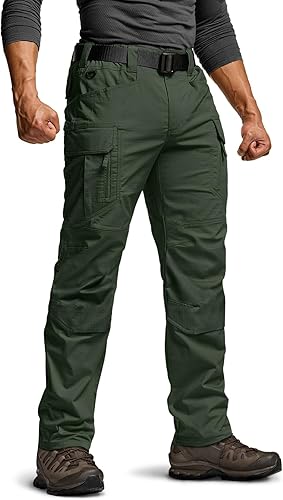
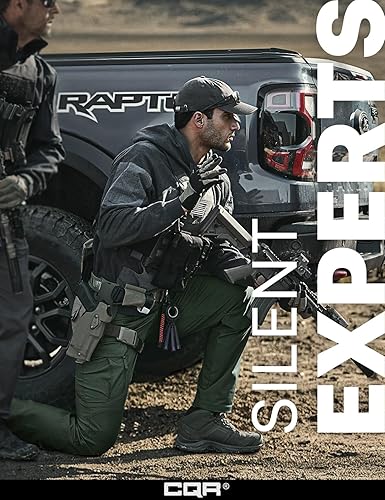
Precision-crafted tactical gear. Reinforced with lightweight, durable panels, it ensures unrestricted, agile movement when every second counts. Providing every advantage for law enforcement and military operators.CQR tactical pants feature strategic lite panels that reinforce key zones, delivering durability and lightness for swift motion.
Shop nowMens hiking pants with zipper pockets: These Men’s cargo pants are built with elastic waist, relaxed seat and thigh, allows the pants to fit comfortably while you are active or sitting. The gusseted crotch and articulated knees combine with the ripstop polyester fabric, ensure maximum freedom of movement and ultimate comfortability outdoors.
Shop nowHiking demands kit that handles changing terrain, shifting weather, and long miles on foot. The hiking gear in this guide is chosen with those realities in mind — sturdy construction, all-day comfort, and practical design. Whether you’re climbing steep paths, picking through forest routes, or keeping a steady pace on nature walks, the right setup helps you move with confidence.
Start with the foundations: stable boots with real ankle support, a pack that sits on your hips, breathable layers you can add or shed, and trekking poles that take the strain off your knees on descents. Get those four right and the rest — gaiters, headlamps, hydration — slots in around them.
Trail conditions change fast, so this guide’s gear is chosen for mud, rain, heat, and snow alike. Look for boots with deep, widely spaced lugs for grip on wet rock and loose scree, waterproof-breathable membranes, and taped seams that keep driving rain out. Rain shells are rated by hydrostatic head — 10,000mm handles steady rain; 20,000mm and up suits exposed ridges and all-day downpours.
Whatever the forecast does, weather-ready kit keeps you moving.
The best hiking gear shouldn’t slow you down. Quick-adjust straps let you shift a pack’s load on the move, hip-belt pockets keep snacks and a map within reach, and lightweight pack designs cut the weight you carry uphill. Poles should collapse and lock one-handed, rain jackets should stuff into their own pocket, and a sternum strap stops the load swinging. On a long day, you’ll appreciate gear that just works — no fuss, no wasted motion.
Every hiker is different — and so is every route. This guide covers day hikers, weekend backpackers, and multi-day trekkers alike. Lightweight trail shoes suit warm, well-kept paths; mid-cut boots with stiff midsoles suit rocky ridges and heavy loads; insulated waterproof boots earn their place on snow. Match the boot to the ground and the pack to the nights out.
When you’re miles from the trailhead, every item has to be easy to find. A well-designed hiking backpack keeps heavy gear close to your back and high up, with a hydration sleeve, a rain cover, and compression straps that stop the load shifting. Trekking accessories — gaiters, headlamps, multi-tools — belong in side pouches or lid pockets, reachable without unpacking. That matters most when the weather changes fast or daylight fades.
Hiking gear is an investment — and it should last. Check for chunky zippers, reinforced seams, weatherproof fabrics, and abrasion-resistant soles before you buy: these are the parts that fail first on cheap kit. Re-soleable boots and re-proofable fabrics stretch a good setup across years of trails — season after season, not just one summer.
Good hiking gear doesn’t just protect you — it improves how you move. Boots with a stiff shank and cushioned midsole give stability, grip, and shock absorption on descents; a fitted pack transfers weight to your hips; and stretch-woven jackets allow flexibility and breathability when you’re scrambling. When your gear moves with you, the miles pass faster.
Match each group below to the trail you have planned — the right boot for the ground, the right pack for the nights out, the right layers for the forecast:
Trail shoes for smooth paths, mid-cut boots for rocky ridges, insulated waterproof boots for snow. Check the fit with hiking socks on: a thumb’s width at the toe, no heel lift on a slope, ankle support that holds on uneven ground. Grip, comfort, and ankle support matter more than looks.
A 20–30 litre daypack covers water, food, and a rain shell for a day out; 50–65 litres suits a multi-day trek. Look for a padded hip belt, an adjustable torso length, multiple compartments, and hydration compatibility — then fit it loaded before you commit.
Layering beats one heavy jacket: a moisture-wicking base layer, an insulated mid-layer for warmth, and a waterproof-breathable shell for wind and rain. The apparel guide covers fabrics and fits — breathable, quick-drying kit lets you hike farther without overheating.
The extras that make a hike safer: trekking poles (aluminium for durability, carbon fibre for lightness) to save your knees on descents, a headlamp with a red-light mode, gaiters to keep scree out of your boots, plus a compass and multitool.
Keep kit dry and findable: dry bags for electronics and spare layers, compression sacks for a sleeping bag or puffy jacket, and gear organizers for small items. Pack rain essentials — shell, map, headlamp — where you can reach them without opening everything.
Get the footwear and pack right first, and the rest of the kit falls into place — then the only thing left is the trail ahead.
The right hiking gear can make the difference between an enjoyable trek and a long, uncomfortable slog. The honest test is not a brand name — it is materials, construction, and fit on real trails. Judge each piece before it earns a place in your pack:
1. Check the materials and the build
Look for named fabrics and membranes, reinforced stitching at stress points, and deep-lugged soles that will not wear smooth in a season. If a listing hides the specs, treat that as a warning.
2. Fit beats features
A boot that fits your foot and a pack that fits your torso will outperform a feature-packed setup that does not. Try boots on with your hiking socks and load a pack before you decide.
Ankle support, a stiff midsole, and deep lugs. A mid- or high-cut boot steadies your ankle on loose rock, a stiff shank stops sharp stones pressing through the sole, and widely spaced lugs grip wet surfaces.
A 20–30 litre daypack covers water, food, a rain shell, and a first-aid kit. For a multi-day trek, look at 50–65 litres for tent, sleeping bag, stove, and food. Fit it loaded — the hip belt carries most of the weight.
Use three layers: a moisture-wicking base layer, an insulated mid-layer (fleece or down), and a waterproof-breathable shell rated 10,000mm+. Avoid cotton — it stays wet and cold. Adjust layers as you climb and rest.
Yes, especially on steep descents — poles take load off your knees and improve balance on stream crossings and loose ground. Aluminium poles are tougher and cheaper; carbon fibre poles are lighter but can snap under a hard sideways knock. Pick a lock you can adjust with gloves on.
Fit them in the afternoon, wearing your hiking socks. You want a thumb’s width at the toe, no heel slip on a slope, and no pressure points across the forefoot. Most modern boots need only a few short walks to break in — never start a multi-day trek in unworn boots.
Beyond boots and a pack: a waterproof shell, a headlamp with spare batteries, a hydration system (bottles or a 2–3 litre reservoir), a first-aid kit, sun protection, a map and compass, and enough food plus a stove if camping. Pack it, weigh it, trim what you cannot justify carrying uphill.