 Apparel
TACVASEN Men’s Special Jacket Rain Hood Coat
Multi-pocket rain hood coat with zippered storage, underarm vents, and practical coverage for outdoor use.
Shop this product ↗
When the weather turns on the trail, your clothing is your shelter. This guide covers waterproof shells, insulation, base layers and trail footwear — with honest buying advice on fabrics, waterproof ratings and fit.
From waterproof rain shells to merino base layers, the pieces below cover the layers that matter most outdoors. Compare fabrics, waterproof ratings and fit, then open a retailer listing to check sizes and current stock.
ApparelMulti-pocket rain hood coat with zippered storage, underarm vents, and practical coverage for outdoor use.
Shop this product ↗ Apparel
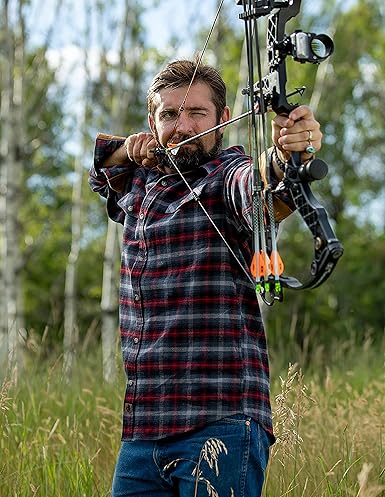
A lightweight three-layer waterproof hunting jacket built for volatile weather, brush, and deadfall.
Shop this product ↗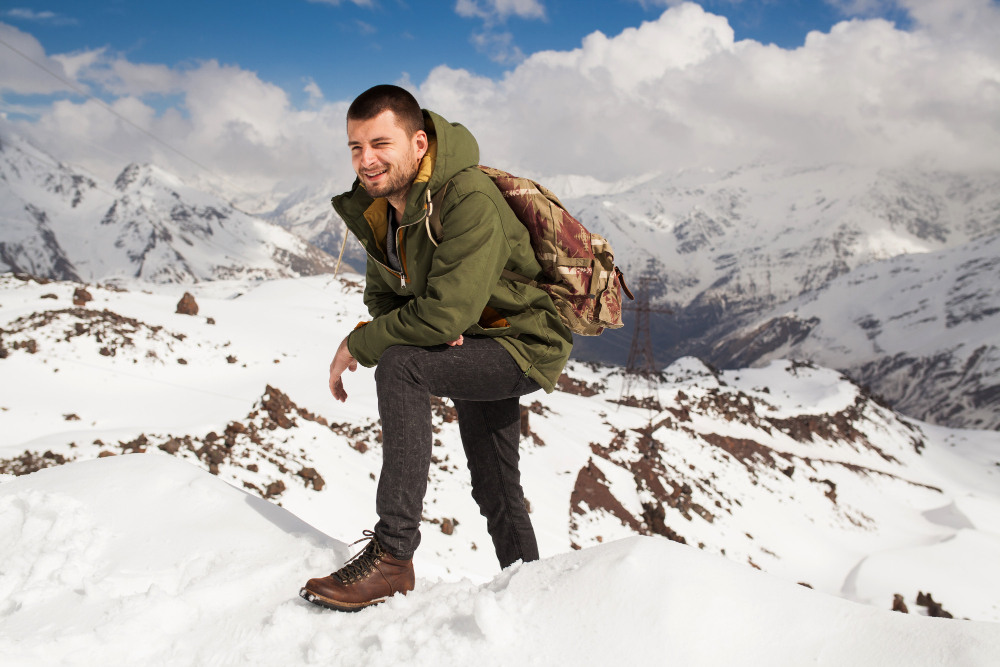 Apparel
Performance, comfort, and durability for hiking, camping, hunting, fishing, and everyday outdoor use.
Shop this product ↗Every listing below is a research summary: the retailer sets the price, stock, shipping and returns, so check those details on the listing itself before you buy.
【Multi-Pockets】 two shoulder pocket; forearm pocket on left arm; two front slash, zippered chest pockets; one zippered back pockets; vent zipper under each arm.It can be used to store money, keys,phones, wallets, passports and other items, providing you with great privacy and convenience.
3-LAYER JACKET – The 3-layer GORE-TEX Dew Point Jacket offers lightweight waterproof protection for volatile weather; 20D nylon ripstop face delivers durability against brush and deadfall. This hunting jacket for men incorporates GORE C-KNIT Backer Technology and micro-taped seams for comfort and reduced weight.
Performance, comfort, and durability for hiking, camping, hunting, fishing, and everyday outdoor use.
Start with the layer you are missing — shell, insulation, base layer or footwear — and use the guide below to narrow it down.
Jackets, base layers, pants and footwear for the trail are grouped here, so you can build a full clothing system in one place.
Check waterproof ratings, insulation weight and fabric details side by side before you decide which layer to buy.
Tap a product card to open the retailer’s listing, where you can check sizes, colours and current stock.
This guide brings together apparel details, layering advice, FAQs and retailer information for research purposes. Nothing is sold or shipped from this site — purchases happen on the retailer’s site.
If you buy through a retailer link here, we may receive a commission from the retailer — the price you pay stays the same. Stock, pricing, delivery and returns are all set by the retailer, not by us.
When the weather turns on the trail, your clothing is your shelter. A rain shell that keeps water out, a mid-layer that holds warmth when you stop, and a base layer that pulls sweat off your skin decide whether a cold, wet day is miserable or memorable. This guide walks through each layer, explains how to read the numbers on a label — waterproof ratings, insulation weight, breathability — and matches clothing to real trips, from a drizzly day hike to a freezing morning in a hunting blind.
Good outdoor clothing works as a system: layers that fit together, fabrics matched to the weather, and a cut that lets you move. Pair this page with the Gander Mountain gear guides for the rest of your kit.
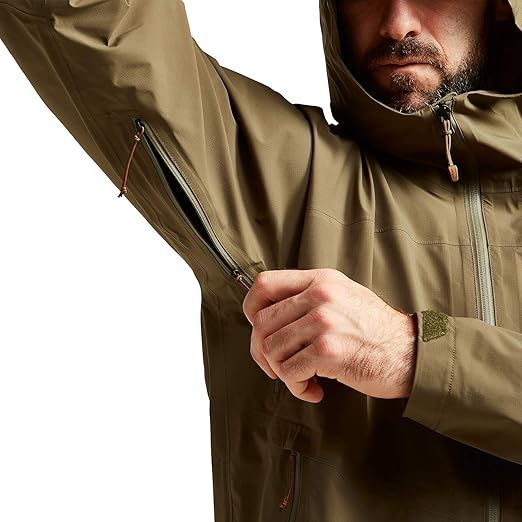
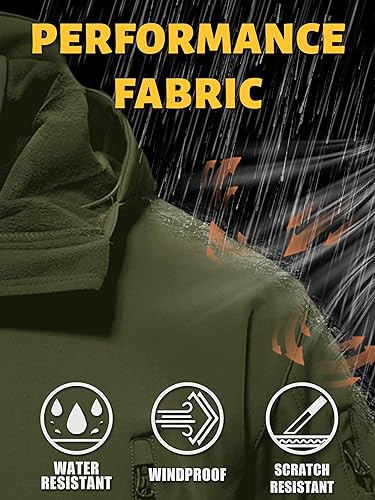
【Multi-Pockets】 two shoulder pocket; forearm pocket on left arm; two front slash, zippered chest pockets; one zippered back pockets; vent zipper under each arm.It can be used to store money, keys,phones, wallets, passports and other items, providing you with great privacy and convenience.
Shop now3-LAYER JACKET – The 3-layer GORE-TEX Dew Point Jacket offers lightweight waterproof protection for volatile weather; 20D nylon ripstop face delivers durability against brush and deadfall. This hunting jacket for men incorporates GORE C-KNIT Backer Technology and micro-taped seams for comfort and reduced weight.
Shop nowStart with the weather you expect, then work from the skin out. For warm, humid hikes, a lightweight synthetic or merino base layer that wicks sweat matters more than anything else; for cold or wet days, the shell and the insulation do the heavy lifting. Think about effort, too — hard hiking needs breathable fabrics and pit zips, while a still morning in a blind needs far more insulation than the thermometer suggests.
Fabric choice is the next decision. Cotton holds moisture and stays cold against your skin, so skip it for anything active. Merino wool regulates temperature and resists odour over multi-day trips; synthetics dry faster and cost less. For shells, check the waterproof rating — measured in millimetres — and the breathability figure: a 10,000mm rating handles steady rain, while 20,000mm and above is built for downpours and wet snow. Sealed seams matter as much as the membrane.
Finally, try the layers together — a shell that fits over a fleece but not over a puffy jacket will leave you cold when you need it most. Check that cuffs seal, hoods move with your head, and zips run smoothly with gloves on. When the layers fit as a system, the clothing disappears and the trip takes over.
Rain, wind, sun and cold each punish clothing in a different way. A good shell uses a waterproof-breathable membrane — such as GORE-TEX or a similar laminate — with fully taped seams, so driving rain stays out while sweat vapour escapes. Look for a waterproof rating above 10,000mm, a DWR coating that makes water bead and roll off, and a hood that adjusts without blocking your view.
Trail clothing earns its place through details, not looks. Articulated knees and elbows let you climb and crouch without the fabric binding; underarm vents dump heat on steep ascents; adjustable cuffs and hem drawcords seal out drafts. Pockets should sit above a hip belt and close securely. Quality zips are worth paying for: a failed zip in a storm is a failed jacket.
Outdoor clothing should adapt across seasons instead of sitting in a closet nine months a year:
Buy layers that mix and match, and one good system covers the whole year.
Trail miles are hard on fabric. Denier counts tell you how tough a shell’s face fabric is — 20D is light and packable, 40D and above shrugs off brush and rock. Check stitching at stress points: shoulders, elbows, knees and pocket corners. Store insulation uncompressed to keep its loft, and revive a tired DWR finish with a wash-in treatment.
A jacket with the best waterproof rating in the world is useless if it binds across the shoulders or rides up when you reach. Outdoor clothing should fit with room for the layers underneath — try a shell over your thickest mid-layer before you buy. Look for a cut that covers your lower back when you bend and trousers with a gusseted crotch for an unrestricted stride. Comfort is performance: chafing and binding end trips early.
Boots are clothing too, and the wrong pair ruins a trip faster than any jacket. hiking gear choices start at the ground: lightweight trail shoes for dry, maintained paths; mid-cut waterproof boots for mud and stream crossings; stiff, insulated boots for snow and rough terrain. Look for aggressive tread, ankle support and a waterproof-breathable lining, and always test fit with the socks you will actually wear — a boot that fits in thin cotton socks may pinch in thick merino. For cold-weather hunting, quiet, brush-proof layers matter as much as the boots. Break new boots in on short walks before any long trip.
Clothing works as a system. Here is how each group fits into it:
Outerwear & Shells: Waterproof-breathable rain jackets, insulated parkas, windproof softshells and waterproof trousers — the layer that faces the weather.
Base Layers & Mid Layers: Merino and synthetic base layers that wick sweat, fleece and insulated mid-layers that trap warmth — the engine of temperature control.
Pants, Shorts & Trek Wear: Stretch hiking trousers with reinforced knees, quick-dry fabrics, zip-off legs and shorts for warm days on the trail.
Hats, Gloves & Accessories: Sun hats and beanies, insulated and waterproof gloves, neck gaiters and warm socks — small pieces that matter in bad weather.
Footwear & Boots: Trail shoes, waterproof hiking boots and insulated winter boots, matched to terrain and season — the foundation of every outdoor outfit.
Casual Outdoor Wear: T-shirts, hoodies and light jackets that carry trail-tested comfort into everyday wear and camp evenings.
Choose layers that fit your weather and your pace, and the clothing stops being something you think about — it just works while you walk.
Good outdoor clothing is judged on evidence, not slogans: waterproof ratings, insulation weights and fabrics with known strengths and limits. This guide rates apparel on real-world performance — how a shell handles a downpour, whether a base layer still wicks on day three, and how insulation holds up after a season of packing and unpacking.
The recommendations here come from the same questions any careful buyer asks: does it keep you dry, warm and moving, and will it last more than one season? Practical features matter most — breathable materials, articulated joints, sealed seams and layering systems that work together in real conditions. The Gander Mountain gear guides cover rods, reels and tackle; this page stays focused on what you wear, judged on fit, fabric and function rather than the name on the label.
Outdoor clothing is built around weather and movement: waterproof-breathable shells, moisture-wicking base layers and insulation rated for real temperatures. Regular clothes use cotton and fashion cuts that hold sweat, lose warmth when wet and restrict movement on a climb. Check the label for fabric type, waterproof rating and seam sealing.
Waterproof ratings are measured in millimetres of water column the fabric can hold before leaking. Around 5,000mm handles light rain, 10,000mm covers steady rain, and 20,000mm or more is built for heavy downpours and wet snow. Taped seams are essential at any rating.
Down packs smaller and weighs less for the same warmth, but loses its insulation when wet. Synthetic insulation keeps working when damp, dries faster and costs less, at the price of extra bulk. Choose down for cold, dry conditions and synthetic for wet climates.
Use three layers: a moisture-wicking base layer against the skin, an insulating mid-layer such as fleece or down, and a windproof or waterproof shell on the outside. Add or remove the mid-layer as your activity level changes — sweating through a base layer is the fastest way to get cold.
Wash shells in cold water with a technical-wash detergent, never fabric softener, and tumble dry on low to reactivate the water-repellent coating. Down needs a front-loading machine and dryer balls to restore loft. Always read the care label first.
Match boots to terrain: lightweight trail shoes for dry, well-kept paths; mid-cut waterproof boots for mud, streams and uneven ground; stiff insulated boots for snow and rough off-trail routes. Try boots on with the socks you will hike in, and break them in on short walks — blisters on day one can end a trip.