 Camping
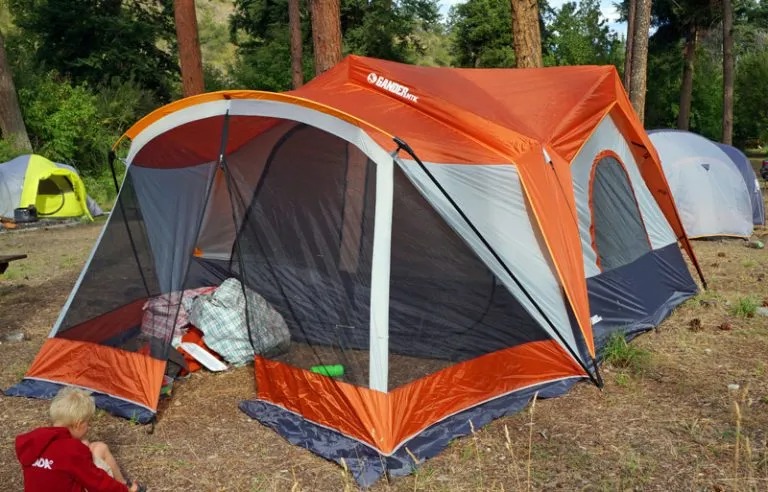
Coleman Sundome Camping Tent
A practical camping tent with a WeatherTec system designed to help protect against rain and wind.
Shop this product ↗
A good night under canvas starts with the right kit. This guide covers tent sizes and seasons, sleeping bag ratings, camp stoves, coolers and camp furniture — compare options and pick gear that suits your trip and the weather ahead.
From a two-person dome tent for a weekend away to a family cabin tent with room for everyone, this collection covers the gear that makes a campsite work: shelter, sleep, cooking and food storage. Compare the details, then follow the retailer link when you’re ready.
CampingA practical camping tent with a WeatherTec system designed to help protect against rain and wind.
Shop this product ↗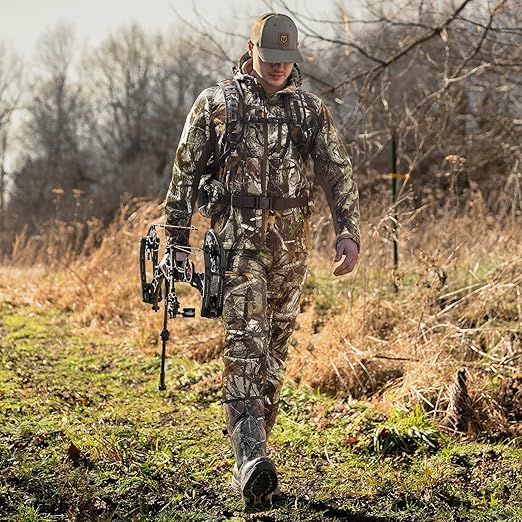 Camping
A 45-quart hard cooler with an insulated lid and body designed to keep contents cold for extended trips.
Shop this product ↗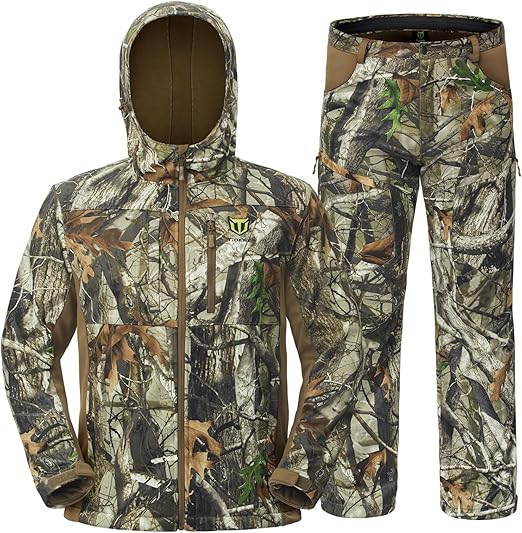 Camping
Durable tents, outdoor tools, and dependable equipment for wind, rain, bugs, and rough terrain.
Shop this product ↗Each listing shows what the product is built to do — tent capacity and weather protection, cooler size and ice retention — so you can weigh it against your trip before checking the retailer’s price and availability.
Meet the Sundome tents designed to make your next camping trip even better than before. Showers in the forecast? We made sure the Sundome 2-Person Camping Tent’s WeatherTec system helps protect against rain and wind whether you’re at the campground with family or in the backcountry with friends. Get to the epic hikes or epic camp meals faster—the tent sets up quickly thanks to the snag-free, continuous sleeves.a
You work hard for your time off. You deserve gear that goes above and beyond. Meet the Coleman Pro series, designed for those who expect more. This 45-quart hard cooler stays cold for up to 4 days thanks to a fully insulated lid and body featuring extra thick walls up to 2 inches wide.
When the wild calls, you need gear that’s built to handle it. This guide covers camping kit for people who face wind, rain, bugs, and rough terrain without slowing down. From durable tents to dependable camp tools, every item here is judged on how it performs when it matters most. No gimmicks. No flashy extras. Just strong, simple, and reliable camping gear that keeps you safe, dry, and ready for adventure. Whether you’re camping solo or with family and friends, look for kit that sets up fast, packs easily, and lasts season after season. Each piece should handle real trips, real weather, and real challenges. When you head outdoors, take gear that works as hard as you do.
Work through the five gear groups in the order that matters most for your trip — shelter first, then sleep, cooking and storage.
Tents, sleeping bags, stoves, coolers and camp furniture for a night outdoors — gathered in one place so you can plan a whole campsite.
Check tent capacity against real sleeping space, bag ratings against the coldest night you expect, and stove output against how you cook.
Every product card links straight to a retailer listing, where you can check the current price, stock and delivery options.
This page gathers tent and sleeping-gear details, camping buying guidance, FAQs and retailer information into one research guide. Gandermountains.us is a guide site: we don’t stock, sell or ship products — any purchase happens on the retailer’s website.
If you buy through a retailer link here, we may receive a small commission — it doesn’t change the price you pay. The retailer sets availability, pricing, delivery, returns and seller terms, so check those on the listing before ordering.
Camping rewards the well-prepared: a tent that holds its shape in a crosswind, a sleeping bag rated for the coldest night, and a stove that still simmers when the wind picks up. This guide covers tents and shelters, sleeping systems, camp stoves and coolers, and the furniture and lighting that make a campsite work.
Sizing, ratings and trade-offs are covered below, so you can choose gear that fits your trip. Browse hunting gear and fishing gear if your trip combines camping with another activity.
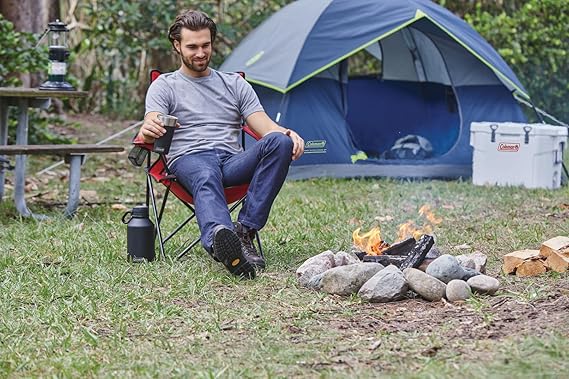
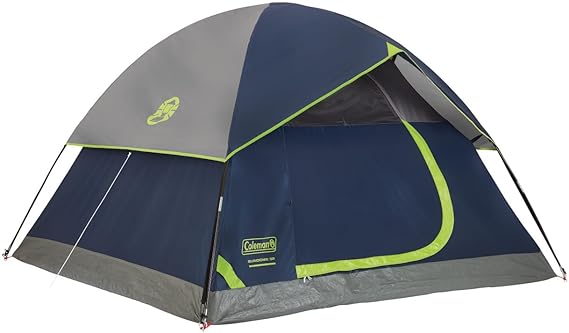
Meet the Sundome tents designed to make your next camping trip even better than before. Showers in the forecast? We made sure the Sundome 2-Person Camping Tent’s WeatherTec system helps protect against rain and wind whether you’re at the campground with family or in the backcountry with friends. Get to the epic hikes or epic camp meals faster—the tent sets up quickly thanks to the snag-free, continuous sleeves.a
Shop now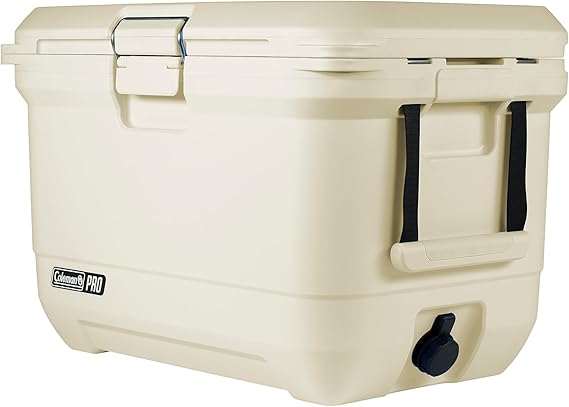
You work hard for your time off. You deserve gear that goes above and beyond. Meet the Coleman Pro series, designed for those who expect more. This 45-quart hard cooler stays cold for up to 4 days thanks to a fully insulated lid and body featuring extra thick walls up to 2 inches wide.
Shop nowCamping is one of the cheapest ways to spend a few days outdoors — but a leaking tent or a bad night’s sleep can ruin it fast. It usually comes down to three things: dry shelter, a sleep setup matched to the night temperature, and a way to cook and keep food safe.
That’s why this guide focuses on specs that actually matter: tent capacity in real sleeping space, sleeping bag comfort ratings, stove output in BTUs, and cooler ice retention in days. If your trip involves walking in, see the hiking gear guide for lighter options.
Good camping gear earns its keep on the worst night of the trip: a tent fly that reaches close to the ground, a sleeping bag rated below the coldest forecast low, and a cooler that still holds ice on day three. Here’s what to check in each category.
A tent’s weather rating lives in the details: a full-coverage rainfly that reaches near the ground, taped seams, and a bathtub floor that rises up the walls. Look for guy-out points and sturdy poles that hold the tent up when a crosswind hits at 2 a.m.
Arriving with an hour of light left is the real test of a tent. Color-coded poles and clips beat sleeve-and-thread designs, and instant tents can be up in under five minutes once you’ve practised at home.
Tent capacity ratings assume shoulder-to-shoulder sleeping with no bags inside. The practical rule is to size up by one person: a 4-person tent sleeps three adults comfortably.
The same logic applies to sleep and food: choose a bag rated 5–10°F below the coldest night you expect, and allow a quart of cooler space per person per day, plus ice.
Sleep is where cheap gear shows first. A bag’s comfort rating is the number to trust — the lower “limit” rating is about survival, not sleep. Down packs smaller and lasts longer; synthetic insulates when damp and costs less. Under the bag, a pad’s R-value matters as much: 3–4 suits three-season camping, 5 or higher for cold nights.
A two-burner stove in the 10,000–12,000 BTU range boils pasta water in minutes, but simmer control is what keeps sauces from scorching. Look for a built-in windscreen and a stable base. A thick-walled cooler holds ice for 3–5 days — pre-chill it and use frozen bottles instead of loose ice.
Evenings at camp are won or lost on light and seating. A lantern of 300–500 lumens lights a picnic table, while a headlamp keeps your hands free. Mesh windows and doors keep air moving while keeping mosquitoes out, and a camp chair with a solid weight rating is the gear you’ll use most after the tent.
Five checks before you buy — the decisions that most often make or break a camping trip:
Get the big three right — shelter, sleep and cooking — and the rest of the trip mostly takes care of itself.
Family car camping: a cabin-style tent with divided rooms, a folding table, chairs and a large cooler — weight doesn’t matter when the car is ten metres away.
Cold-weather trips: a bag rated well below the forecast low, a high-R-value pad, and a tent with a full fly and strong poles.
Festival camping: a tent you can pitch fast and carry in one trip, a compact chair and a small cooler — plus earplugs.
Whatever the trip, buy shelter and sleep first, add cooking and storage next, and let the smaller comforts follow. Gear chosen around a real trip lasts longer and gets used more.
shop nowGo one size up: a 4-person tent sleeps three adults comfortably, and a 6-person tent suits a family of four with gear inside. Ratings assume shoulder-to-shoulder sleeping with no bags in the tent. Check peak height too — a tent you can stand in is far more liveable on a rainy day.
Buy on the comfort rating, not the lower limit rating — the comfort figure is the temperature at which an average sleeper stays warm. Pick a bag rated 5–10°F below the coldest night you expect, and pair it with a good pad.
Pre-chill the cooler the night before, then load it with frozen water bottles or block ice, which last longer than cubes. Pack food in the order you’ll use it, keep the cooler in the shade, and open the lid as little as possible.
Around 10,000–12,000 BTU per burner boils water quickly, but simmer control is just as important — it’s what lets you cook without scorching. Look for a built-in windscreen, a wide stable base and push-button ignition.
Yes — family car camping is where this gear shines. Cabin-style tents with divided rooms give parents and kids their own space, and since weight doesn’t matter when the car is next to the pitch, you can bring proper chairs and a large cooler.
Each product card links to a retailer listing where you can check the current price, availability, delivery options and return policy before buying. Purchases through these links may earn us a small commission at no extra cost to you.