 Hunting
TIDEWE Hunting Clothes for Men
Quiet hunting clothes with practical design details intended to reduce noise and support stealth in the field.
Shop this product ↗
Hours in a stand, a long walk through wet brush, a cold morning in the blind — your kit has to stay quiet, dry, and out of the way until the moment it matters.
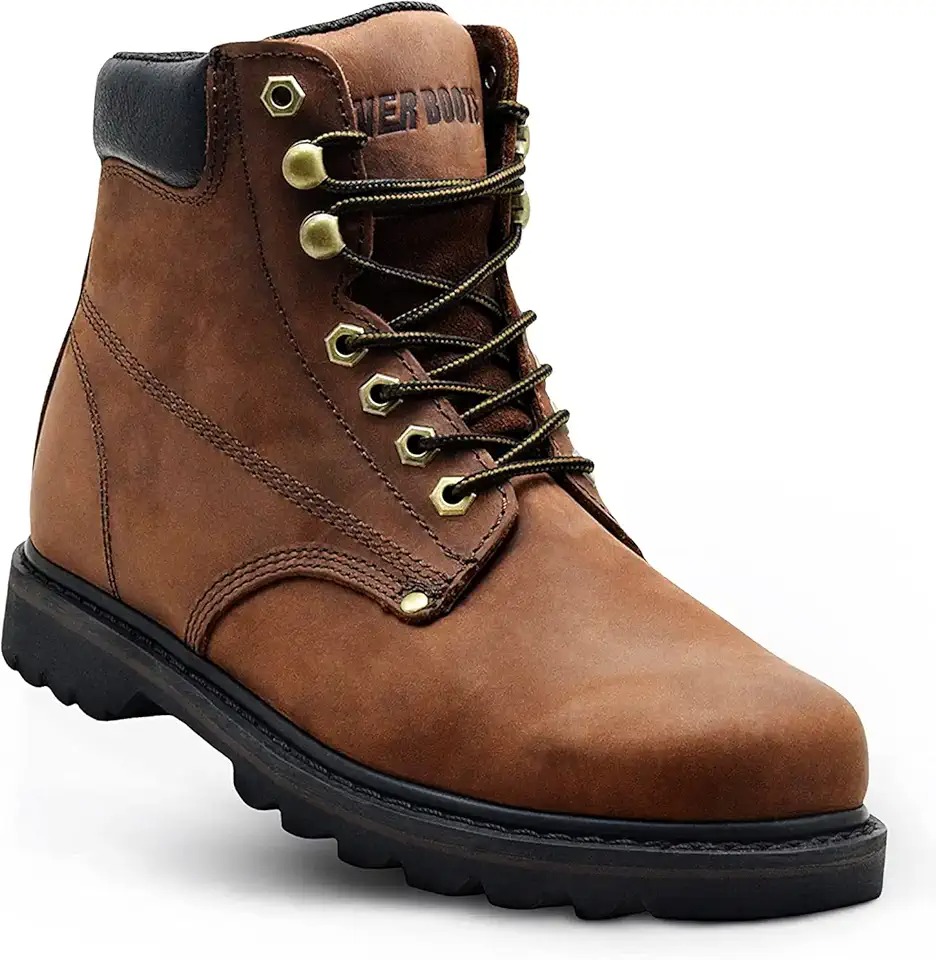
Hunting is mostly waiting — wind, rain, thick cover, and long still hours. The gear in this collection is chosen for that reality: quiet fabrics, weatherproof layers, and boots that keep you warm and steady through the sit.
HuntingQuiet hunting clothes with practical design details intended to reduce noise and support stealth in the field.
Shop this product ↗ Hunting
An ergonomic handle and adjustable strap system designed to make deer dragging more comfortable and manageable.
Shop this product ↗HuntingTough, quiet, field-ready gear for wind, rain, thick cover, and long waits outdoors.
Shop this product ↗Use these listings as hunting research: check the insulation, fit, and camo pattern that suits your terrain, then confirm stock and price with the seller before you buy.
Professional Hunting Design:TideWe hunting clothes effectively reduce noise by using quiet material and the design of magnet buckles within the clothing. It allows you to remain stealthy and unnoticed by animals while hunting. Safety strap supporting design(Safety Strap Not Included)on the back allows you to comfortably wear a safety harness underneath your jacket.
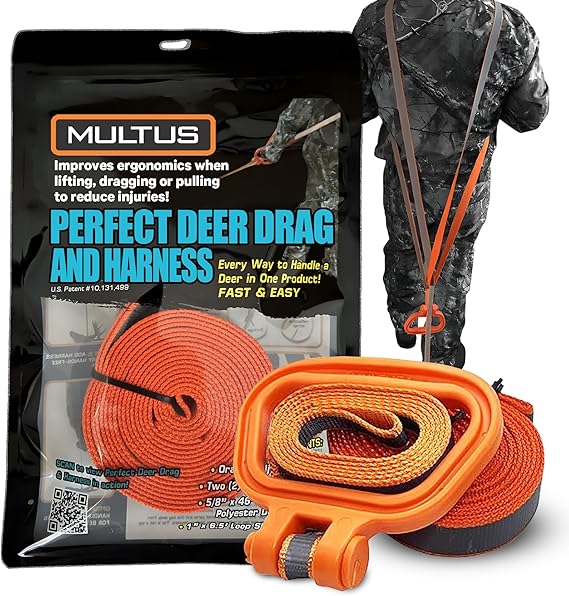
COOL GIFTS FOR HUNTERS USER-FRIENDLY DESIGN: The ergonomic handle and adjustable strap system of the Multus Deer Drag provide a customized fit for hunters of all sizes. This user-friendly design ensures comfortable use over extended periods, reducing fatigue and enhancing the overall hunting experience. Ideal for solo hunters or groups, it’s designed to adapt to various pulling techniques and conditions.
The hours in the field decide what good kit looks like: wind, rain, thick cover, and long still waits. This collection is chosen for that reality — quiet camo, weatherproof layers, and boots that stay warm and silent from the walk-in to the drag-out.
Start with how you hunt — stand, blind, or spot-and-stalk — then work through the gear groups below to fill the gaps.
Everything here is picked for the hunt — quiet camo, scent-managed layers, and field tools that hold up from the pre-dawn walk-in to the drag out.
Check insulation ratings, camo patterns, and noise levels side by side before you settle on a jacket, boots, or a pack for your season.
Tap any product card to open its retailer listing, where you can finish the purchase in one place.
This page gathers hunting product details, buying guidance, and answers to common questions so you can research your kit before the season. Gandermountains.us is a guide only — nothing here is sold or shipped by this site.
If you buy through a retailer link on this page, this site may receive a small commission from the sale — your price stays the same. Stock, prices, delivery, returns, and seller terms are all set by the retailer, not by us.
A hunt is won or lost before the shot — in the quiet walk to the stand, the cold hours of sitting still, and the moment a deer catches a flash of movement or a whiff of scent. The gear in this guide is picked for those moments: silent fabrics, terrain-matched camo, and insulation that holds through a frosty dawn.
Whether you’re posted over a whitetail trail, in a waterfowl blind, or on a spot-and-stalk hunt, your kit should disappear — no rustle, no glare, no cold feet. From brush-busting camo and 800-gram boots to 8x42 binoculars and a solid tree stand, this guide covers gear that earns its place in the field.
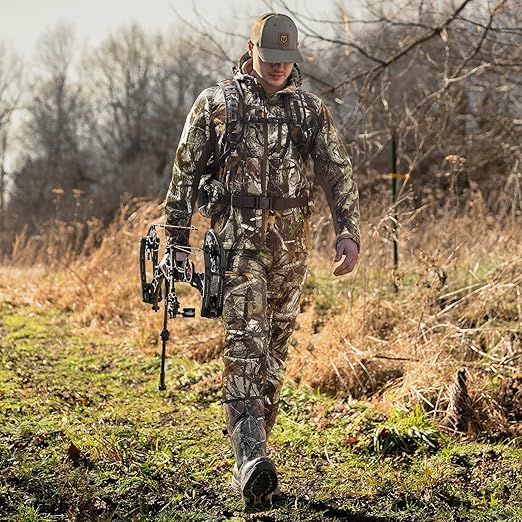
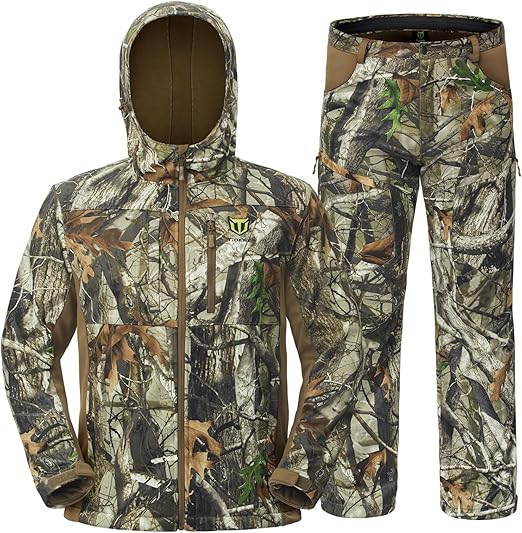
Built for the stand and the stalk alike, this TideWe suit uses brushed, low-noise fabric and magnetic buckles so nothing clicks or rustles when you shift position. The back opening works with a safety harness, which matters on any elevated stand — clip in before you climb, and stay clipped in until both feet are back on the ground.
Shop nowThe hunt doesn’t end at the shot — getting a deer out of the woods is the hardest part of the day. The Multus drag spreads the load across a padded harness and an ergonomic handle, so a solo hunter can haul a whitetail over leaf litter, mud, and uneven ground without wrecking their back. Adjust the straps to your height and keep the drag low.
Shop nowChoose kit for the hunt you actually do. Work through these six factors before you buy:
Durability across seasons: Briars, barbed wire, and creek crossings punish kit fast. Look for double-stitched seams, reinforced knees and elbows, and brush-rated fabrics.
Terrain and camo match: Hardwood stands call for bark-and-leaf patterns; marshes need reed-and-grass breakup; open country suits sage and tan. Pick camo for the ground and season you hunt most.
Weather and sit time: A two-hour evening sit needs far less insulation than a dawn-to-dusk day on stand. For late-season cold, look for 800–1200 gram insulated boots and a windproof outer layer; for wet mornings, a waterproof-breathable shell.
Mobility versus warmth: Spot-and-stalk hunters cover miles and need light, breathable layers. Stand hunters barely move, so insulation and windproofing matter more than weight — pack the heavy coat in and layer up once settled.
Noise and movement: Deer hear a Velcro rip at fifty yards. Brushed fleece, magnetic closures, and smooth, slow zips keep you quiet; a low-profile pack won’t snag branches on the walk in.
Organization and access: Your grunt call, rangefinder, and knife should be reachable without standing up. Chest pockets for calls, a hip pocket for the rangefinder, and a tethered knife keep everything one quiet hand movement away.
Shop nowA frosty November dawn, a sleet shower in the marsh, a creek crossing on the way to the stand — hunting weather is rarely kind. The kit in this guide is chosen for freezing mornings in the woods and wet, muddy terrain alike: durable fabrics, reinforced stitching, and water-resistant coatings. Spend on gear that lasts and you buy strength and dependability instead of a replacement next year.
The best field kit is shaped by the hunt itself: hours of stillness, sudden movement, and game that hears everything. The gear here is picked for real hunting environments — not the showroom — so it’s functional, practical, and made to work quietly: silent-moving clothing, boots that grip wet leaves, and pockets a seated hunter can reach.
When a buck steps into a shooting lane, you don’t have time to fight your kit. Look for simple, reliable usability — quick zippers you can run with cold fingers, silent fastenings, and a pack that opens without a rustle — so your gear works seamlessly without slowing you down.
Different hunts need different tools. This guide covers gear for every kind of hunter — from upland and waterfowl to big-game and bowhunters: lightweight packs for long stalks, insulated jackets for cold sits, and camo matched to each terrain.
Comfort and silence make or break a hunt. The apparel and boots in this guide use breathable, noise-reducing fabrics that keep you hidden and comfortable through a long sit. Vented panels stop you overheating on the walk in, while moisture-wicking base layers keep you from chilling once you stop moving.
When every second counts, kit has to be within reach. Look for packs and jackets with thoughtfully placed compartments and pockets — a bino harness up top, a call pocket on the chest, a knife sheath on the hip. No fumbling, no wasted time.
Posted over a deer trail, set up in a duck blind, or walking up pheasants — the right group of kit makes the difference:
Get the kit right and the hunt gets simpler: fewer cold sits, quieter approaches, and nothing to fiddle with when the moment comes.
Out in the field, your gear needs to be dependable — no excuses. A zip that jams, a boot that leaks, or a stand strap that slips can end a hunt — or worse. The kit in this guide is chosen with durability, quietness, and real-world field performance as the standard, so it works when it matters most.
1. Chosen With Field Experience in Mind
This guide is written around what hunters need in the field — reliability, silence, warmth, and comfort — and every product here is judged against those needs before it earns a place on the page.
Hunting kit is built around stillness and silence: brushed fabrics that don’t rustle, camo that breaks up your outline, and insulation tuned for sitting motionless. The gear in this guide is picked to be durable, quiet, weather-resistant, and easy to use in real field conditions — not just on a shop rail.
Not quite — each style has its own demands. This guide covers a wide range of gear for big game and waterfowl as well as upland and bowhunting, from marsh camo for duck blinds to lightweight, quiet layers for stalking.
With proper care, quality hunting kit should last for many seasons. Wash scent-control layers without detergents that leave UV brighteners, re-proof waterproof shells each year, and dry boots slowly away from direct heat.
Pick terrain-specific camouflage patterns for where you hunt: leafy woodland for hardwood stands, reed and grass breakup for marshes, muted tan and sage for open country. In late season, a snow pattern or white over-cover earns its place.
Many of the products in this guide use water-resistant or waterproof materials to keep you dry through rain, dew-soaked grass, and marsh crossings. Check each product’s description for its waterproof rating — a light DWR coating handles drizzle, but a full membrane is what you want for steady rain.
Judge every purchase on function, durability, and comfort for the hunt you do: does it stay quiet, keep you warm through a long sit, and survive the terrain? Read the specs, check the retailer’s return policy, and buy the kit that fits your season.