By the Gandermountains.us team ·
As an Amazon Associate, we earn from qualifying purchases. See our Affiliate Disclosure for how links on this site work.
For a lot of American families, the first tent they ever owned came from a Gander Mountain. Founded in Wisconsin in 1960, it grew into one of America's biggest outdoor retailers, and camping was the heart of its stores: pitched tents, sleeping bags to unroll, and aisles of stoves, coolers, and camp chairs that kitted out a whole weekend trip in one visit. The stores are gone — bankrupt in 2017, bought by Camping World, the name retired. Yet people still search for Gander Mountain camping gear. This guide answers the question behind that search: what was the brand known for, and what should you buy today?
Gandermountains.us is an independent guide to outdoor gear. We have no connection to Gander Mountain, Gander Outdoors, or Camping World, and we do not sell their products. The Gander Mountain trademark belongs to its owner. Every product named below is a current alternative from a different, real manufacturer, and we will never pass another company's product off as Gander Mountain gear.
What Gander Mountain was known for
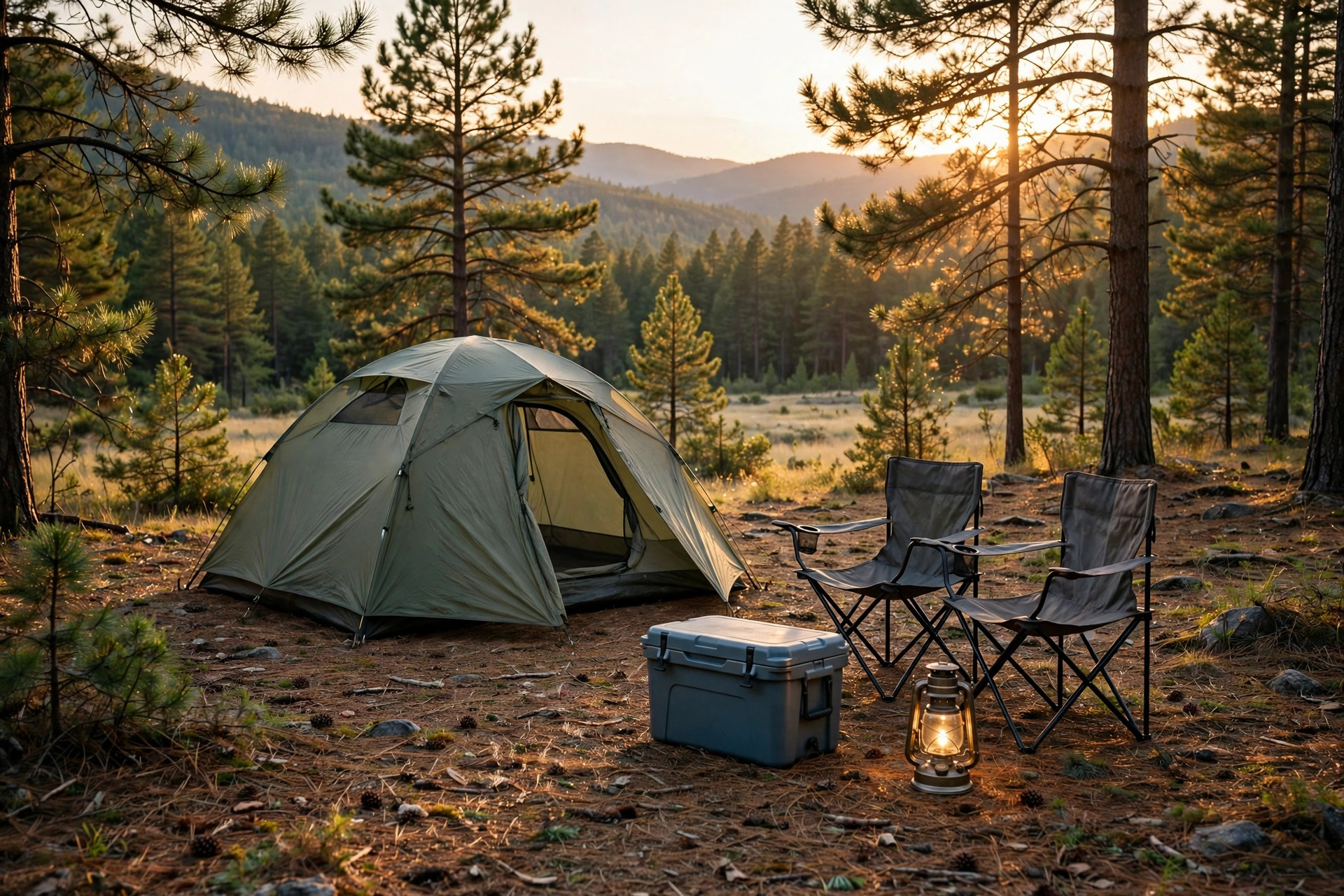
Gander Mountain built its camping reputation on family car camping — the drive-up, pitch-the-tent, cook-over-a-stove kind of trip, not ultralight backcountry hiking. The department centred on six categories. Tents were the anchor: big dome and cabin tents, often pitched on the shop floor. Sleeping bags came next, in three-season and cold-weather options. Camp stoves ranged from single-burner models to the two-burner propane stoves that anchored a family camp kitchen. Coolers filled a whole wall, in every size. Camp furniture and lanterns rounded out the living space. The appeal was one-stop selection at fair prices, from staff who had spent weekends in a tent.
Why you cannot buy it anymore
The company filed for Chapter 11 bankruptcy in 2017, and Camping World bought the assets. Stores reopened as Gander Outdoors, and the Gander Mountain brand was phased out. There is no new Gander Mountain camping line today. What you find online under the name is mostly old stock, second-hand gear, or other manufacturers' products listed against Gander Mountain search terms — someone else's tent wearing a borrowed keyword.
What to buy today: the honest alternatives
If what you are really after is the kind of gear Gander Mountain sold — dependable, family-priced camping kit — it is all still being made, by companies that are still in business and still honouring warranties. Here is what to look for in each category.
Tents: capacity ratings lie
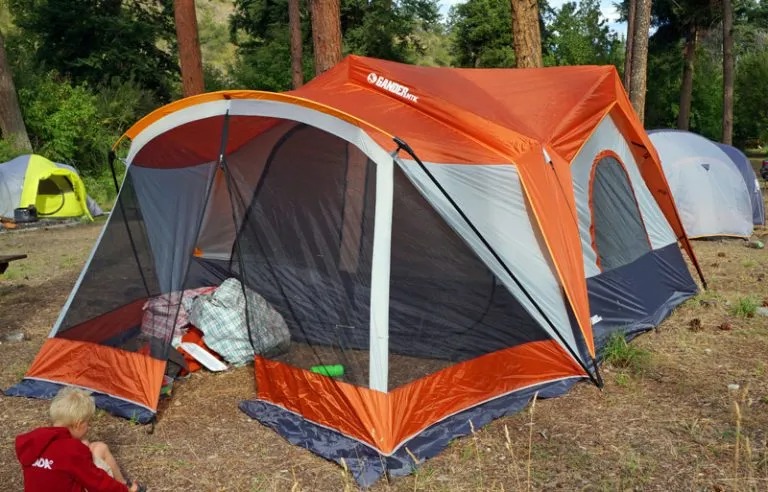
The most useful thing to know about tents is that the "person" rating is a maximum, not a comfort level. A 4-person tent fits four sleeping pads edge to edge, with no room for bags, boots, or a dog. Buy a tent rated for two more people than will sleep in it. Check floor dimensions and peak height, not just the rating — cabin tents give real headroom, dome tents trade height for wind resistance. A full-coverage rainfly matters more in a storm than any waterproofing claim. Coleman is the benchmark for affordable family tents, with 4–6 person models typically $80–$200; REI Co-op, Marmot, and Kelty, $200–$450, bring lighter fabrics and longer warranties.
Sleeping bags: ratings, fill, and shape
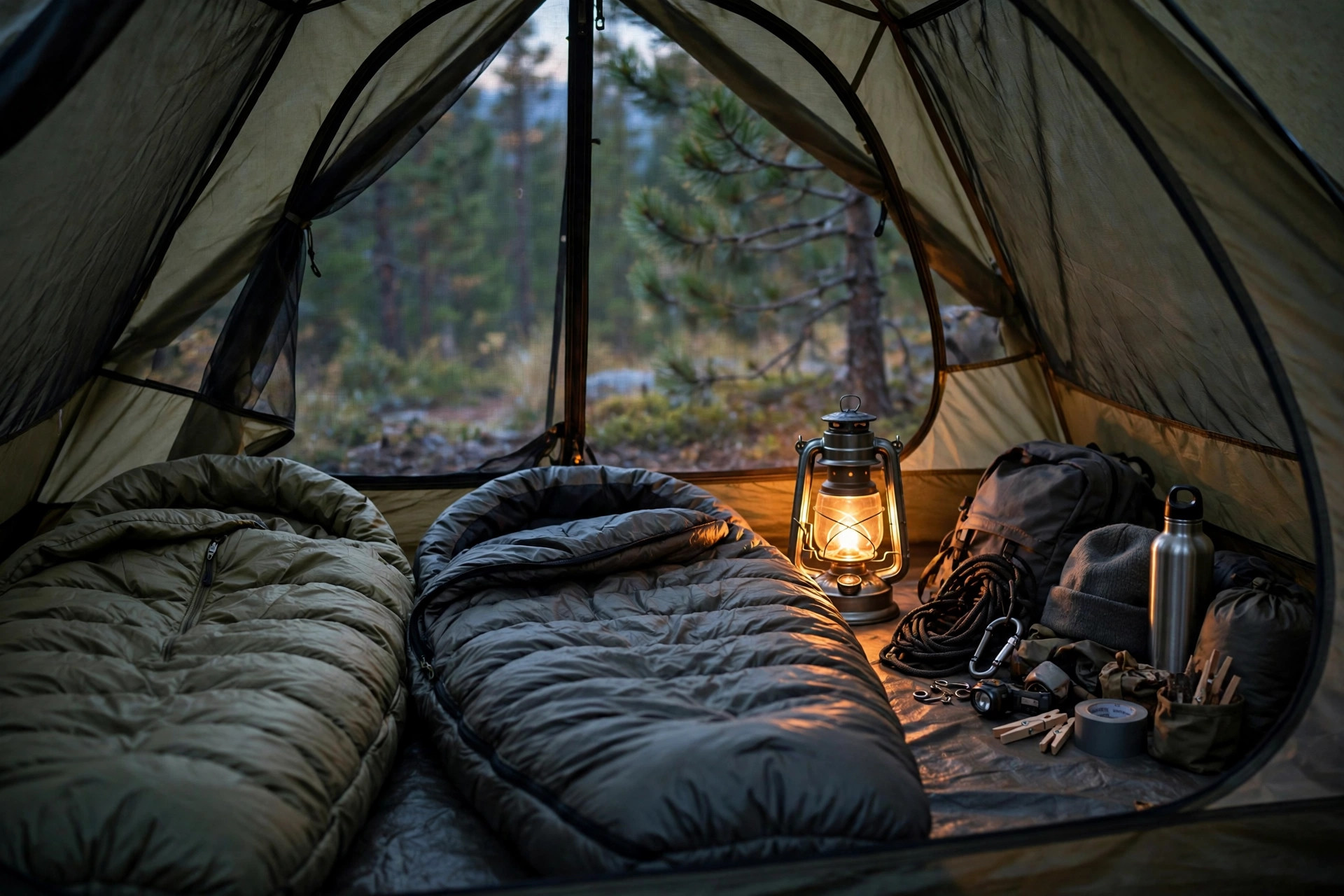
Temperature ratings catch shoppers out too. A bag rated to 20°F (−7°C) keeps an average sleeper alive at that temperature, not comfortable — trust the comfort rating, printed separately under the EN/ISO standard, which runs 10–15°F warmer. For summer, a 30–40°F bag is plenty; for spring and autumn, look at 15–20°F. Down packs smaller and lasts longer but fails when wet and costs more; synthetic fill is heavier but keeps working damp and is much cheaper. For car camping, synthetic is usually the sensible choice. Mummy bags are warmer and lighter; rectangular bags are roomier and can zip together into a double. Expect $40–$80 for a decent synthetic bag and $150–$300 for quality down.
Camp stoves: BTU is only part of the story
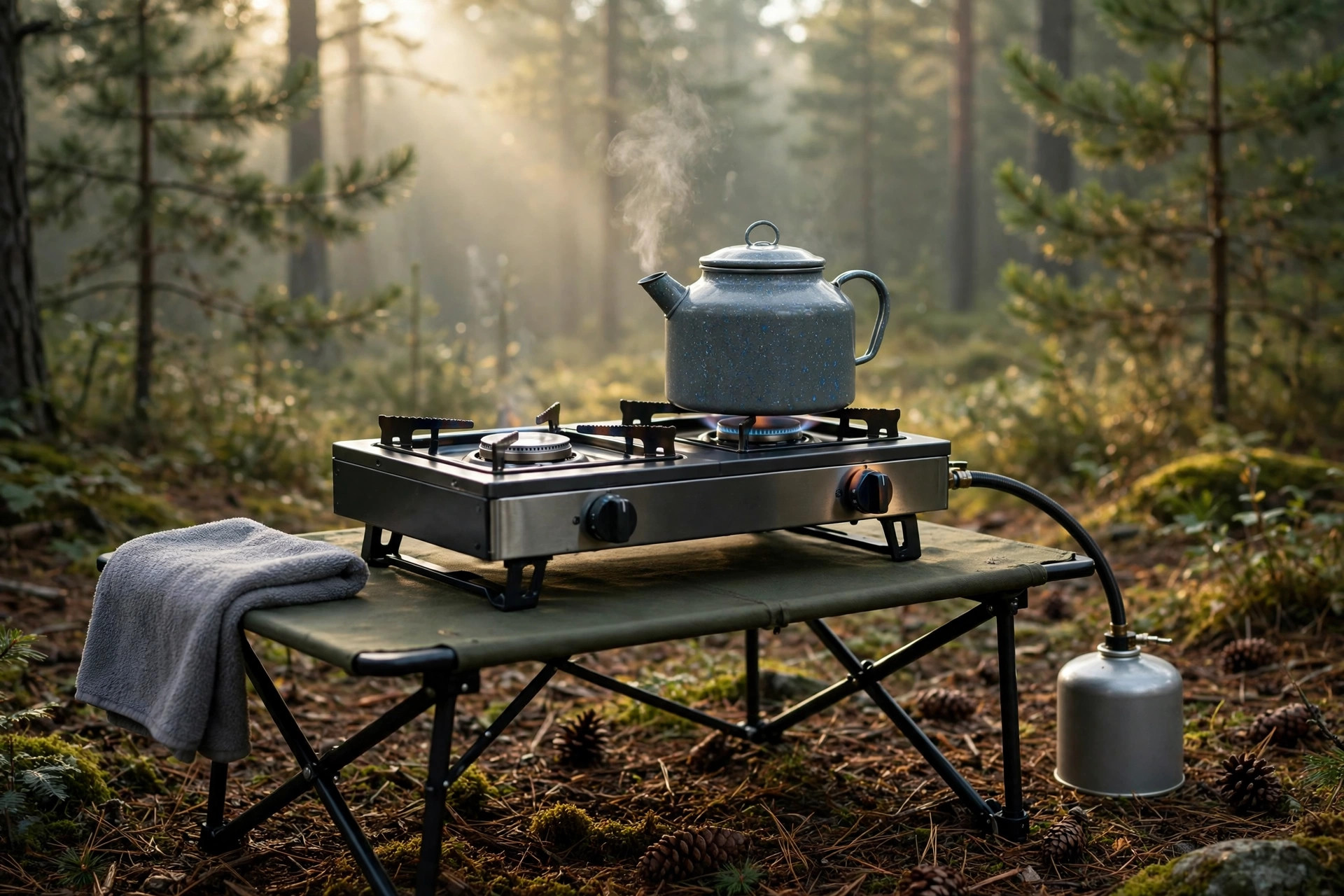
Stove output is measured in BTUs per burner; 10,000 BTU per burner is standard for a two-burner family stove — enough to boil a pot in minutes while breakfast fries. More BTU means faster boiling, not better cooking; simmer control matters too, and the cheapest stoves have only two settings, off and blast. Wind is the real enemy, so a stove with tall windscreens beats a higher-BTU stove with none. The classic two-burner propane stove from Coleman, typically $50–$100, has been the family camp kitchen standard: simple, repairable, and it runs on 1 lb propane canisters sold everywhere.
Coolers: ice retention and weight
A cooler's job is simple — keep ice frozen — but the price spread is enormous. Standard hard coolers from Coleman or Igloo, $30–$80, hold ice for two to three days if you pre-chill them and open them sparingly. Rotomolded coolers from YETI or RTIC hold ice for five days or more, but cost $200–$400, weigh two to three times as much empty, and are overkill for a weekend. For most family trips, a mid-size standard cooler plus block ice — which melts far more slowly than cubes — is the honest answer. Check the lid seal and latches first — a cooler that does not close tightly will not hold ice.
Camp furniture and lanterns
Chairs and tables are where cheap gear fails first. A folding camp chair rated for 250 lb feels flimsy near that limit; look for a steel or aluminium frame, a weight rating well above the heaviest user, and replaceable fabric. Expect $25–$50 for a chair, $60–$120 for a sturdy table. For lanterns, LED has won: a modern LED lantern puts out 300–1,000 lumens, runs for days on batteries or USB, and will not burn a hole in your tent. Propane lanterns still have fans, but they are hot, fragile, and a poor choice around children. Budget $20–$40.
Spotting the name trap
Before buying anything marketed with the Gander Mountain name, run three checks. Look for the actual manufacturer: a real brand name, a model number, and a warranty with a company behind it. Treat any listing that uses the name but shows a different brand's product as a search-term trick. Buy from a retailer with clear returns, and test big items at home before the trip. Anyone selling "official" Gander Mountain gear as a current product is selling a story — no such line exists anymore.
The stores are gone, but the camping they equipped is not. The gear Gander Mountain was known for — roomy tents, honest sleeping bags, simple stoves, coolers that did the job — is still easy to buy from manufacturers standing behind their products. Browse our camping gear guide for the tents, stoves, and coolers we cover, and see the blog for more guides as we add them.