By the Gandermountains.us team ·
Gandermountains.us is an independent gear guide. We are not affiliated with Gander Mountain, Gander Outdoors, or Camping World, and Gander Mountain is a trademark of its owner. Nothing on this page is sold by or endorsed by the brand. When we name a product below, it is a current alternative from a real manufacturer — not Gander Mountain gear, and we will not pretend otherwise.
Hanging a treestand is straightforward only when the safety system comes first. Standard guidance from the Treestand Manufacturers Association (TMA) is consistent: wear a full-body harness, stay connected to the tree from the moment your feet leave the ground until you are back down, and follow the instructions for your exact stand model. Falls from treestands account for 36% of all hunting accidents, according to TMA and Tree Stand Safety Awareness, which is why the harness, lifeline and strap checks in this guide matter more than the height you hunt from.
This guide covers how to hang a treestand safely for the two most common setups — hang-on stands reached with climbing sticks, and ladder stands — plus the inspections that keep straps, cables and hardware trustworthy. Pair the stand work with solid footing from our best hunting boots guide and plan stand locations alongside trail camera placement so the tree, the climb and the shooting lanes all work together.
Direct answer: Hang a treestand only on a healthy, straight tree, following the manufacturer's instructions for your exact model. Wear a full-body harness connected to a lifeline from the ground up, keep three points of contact while climbing, secure straps and cables at the rated height, then haul unloaded gear up with a haul line.
Treestand types compared
| Type | Typical height | Best for | Key safety point |
|---|---|---|---|
| Hang-on | Often 12-20 ft, set by sticks and straps | Mobile setups and fixed ambush sites | Lifeline connected before leaving the ground; straps inspected before each use |
| Ladder | Commonly 10-18 ft, fixed by the ladder sections | Fixed sites, easier entry and exit | Stabilizer bar and ratchet straps secured; three points of contact on every rung |
| Climbing | Adjustable as you climb, within the maker's limit | Straight, limbless trees and mobile hunting | Harness tether moved up with the stand; slow, even climbing movements |
| Saddle | Set by sticks and tether height | Lightweight mobile hunting | Rated saddle, tether and lineman's belt used as one system; platform secured before weight is applied |
What tree should you choose?
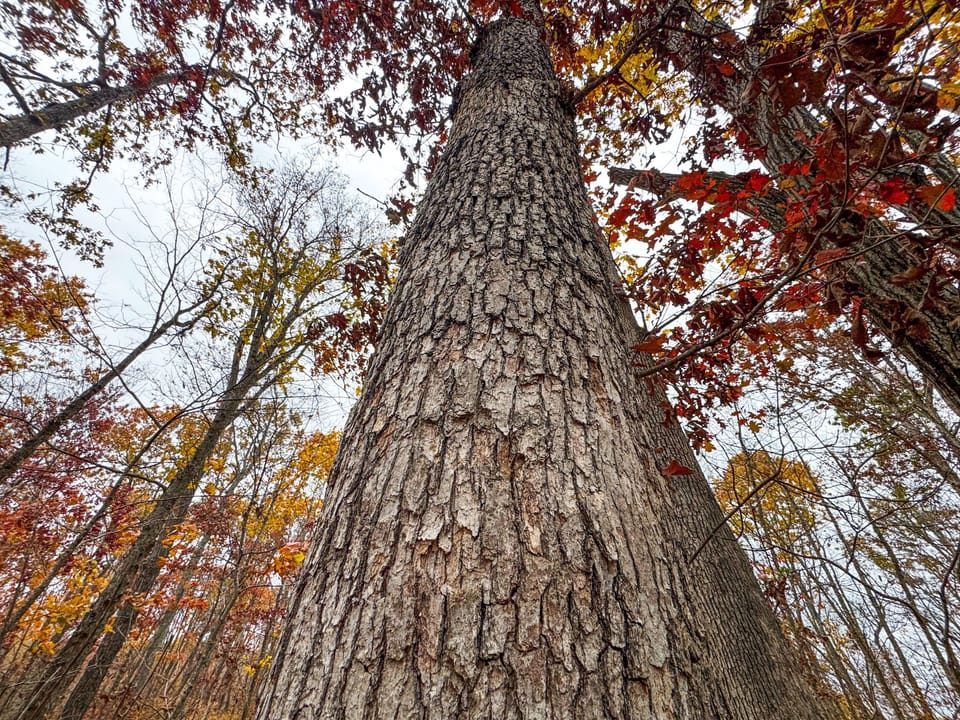
Choose a healthy, live, straight tree with sound bark and a trunk diameter inside your stand maker's stated range. Dead, leaning, diseased or hollow-sounding trees are disqualifying, because the straps and cables can only be as strong as the trunk they grip. Check for widow-maker limbs overhead, soft or rotten wood at the base, and enough clear trunk for the stand, sticks or ladder sections.
The right tree also gives a safe climb path and a clear view without forcing an awkward entry onto the platform. Scout the approach on the ground, confirm where the lifeline will hang, and look for sign with help from trail cameras before committing hardware to the trunk. If the tree fails any part of the check, move on — another tree is always cheaper than a failed one.
How high should you hang a treestand?
Hang the stand only as high as cover, terrain and the manufacturer's limit require — there is no height that makes an unsafe setup safe. Many hunters sit between roughly 12 and 20 feet, but foliage, slope and shooting lanes matter more than a number: on a hillside, a lower platform on the uphill side can still put your eyes well above deer approaching from below.
Higher is not automatically better, because every added foot lengthens the climb, the fall distance and the haul. Set the platform where background cover breaks up your outline, keep the tether short enough that a fall stops at platform level, and stay inside the weight and height ratings printed in the manual for your model.
How do you inspect a stand before season?
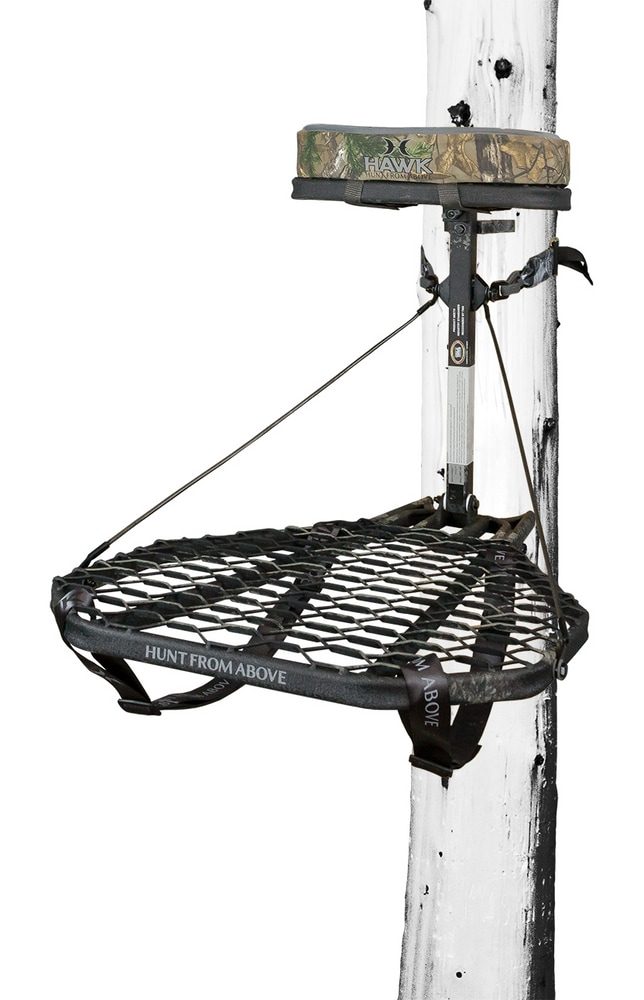
Inspect the stand, harness and safety lines before the season and before each use, looking for wear or damage on every load-bearing part. Check welds and joints for cracks, metal for rust and fatigue, cables for frayed strands, bolts and nuts for tightness, and seats and platforms for bent or missing pieces. Any part that fails inspection takes the stand out of service until it is repaired with maker-approved parts.
Read the manufacturer's warnings and instructions again each season and practise the setup at ground level before hunting from height. Practise putting the harness on over hunting clothes, clipping into the lifeline, and stepping onto the platform from the sticks or ladder while the stand is low. Ground-level practice turns the first real climb into a rehearsed routine instead of a first attempt.
How do you check straps and cables?
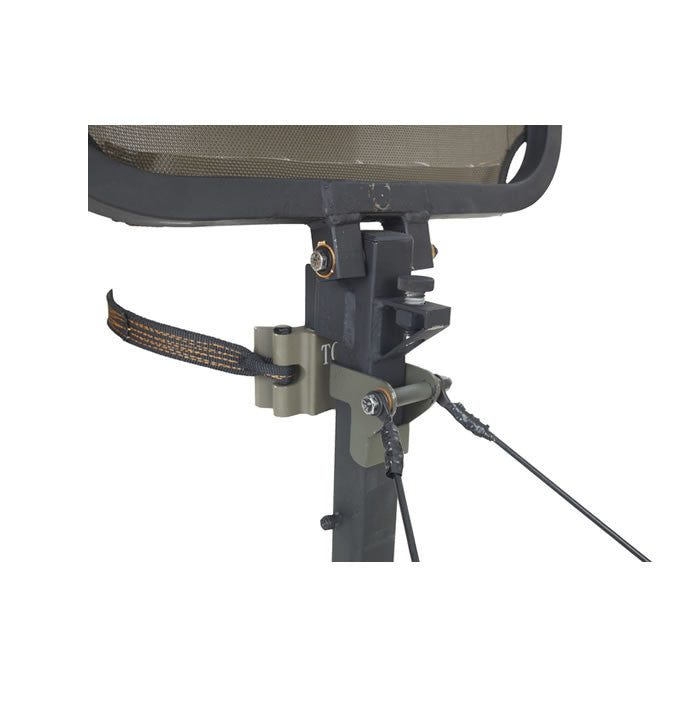
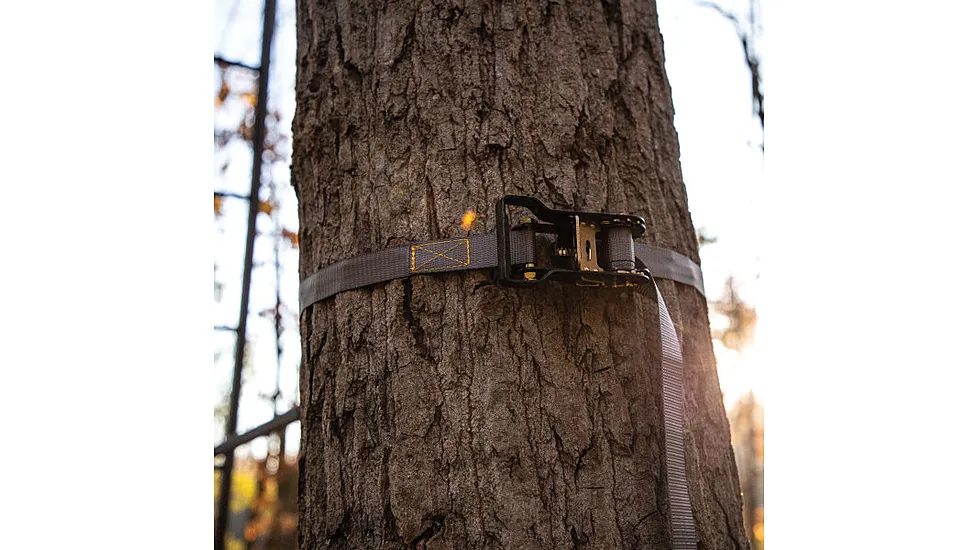
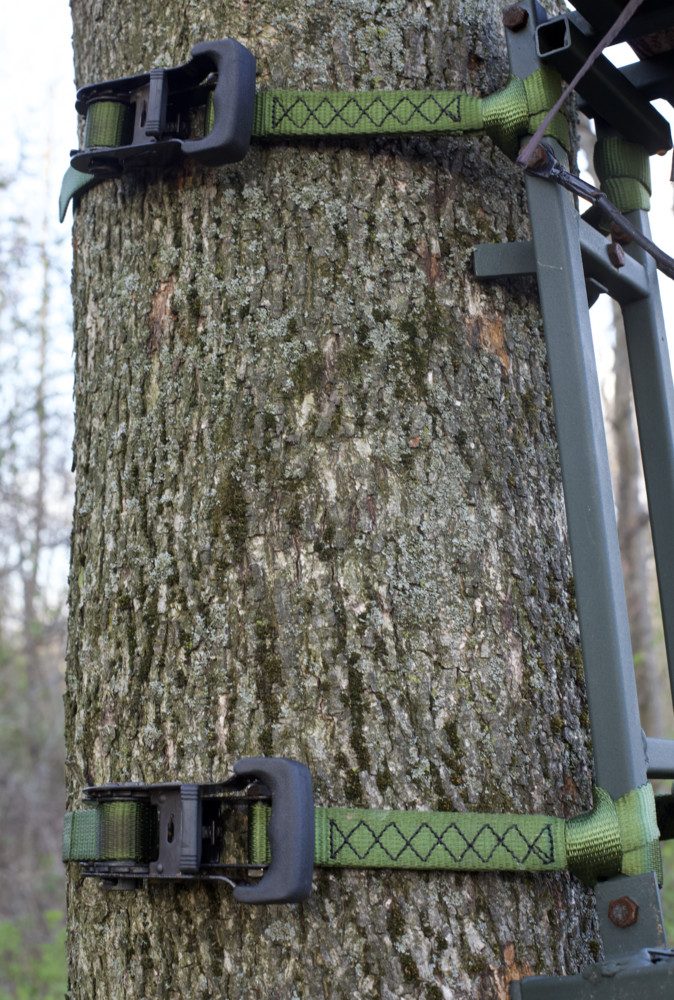
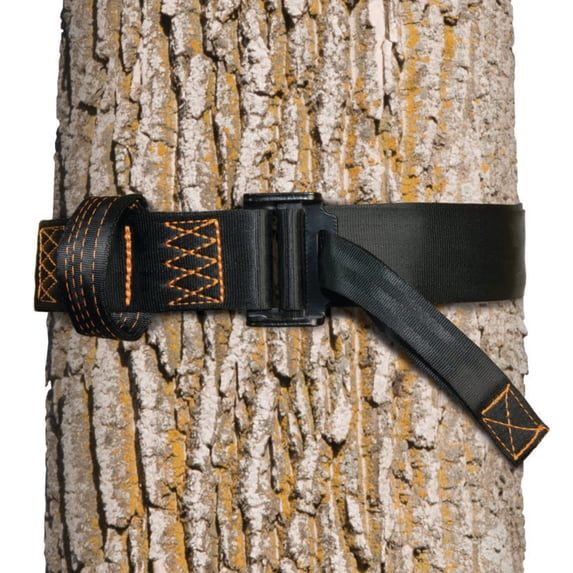
Check every strap and cable by sight and by hand before the stand carries weight. Look for cuts, fraying, sun-faded or stiff webbing, broken stitching, rusted or bent buckles, and cables with broken strands, kinks or corrosion at the crimps. Run each strap through its buckle to confirm it holds under tension, and replace any component that shows damage rather than trusting it for one more sit.
Straps left outdoors age faster, because sunlight and weather break down nylon webbing over time. That is one reason stands should not stay installed for long periods without inspection. If a strap's history is unknown — a borrowed stand, a yard-sale find, a stand left up for seasons — treat the webbing as expired and fit new maker-approved straps before climbing.
How do you wear a harness and use a lifeline?
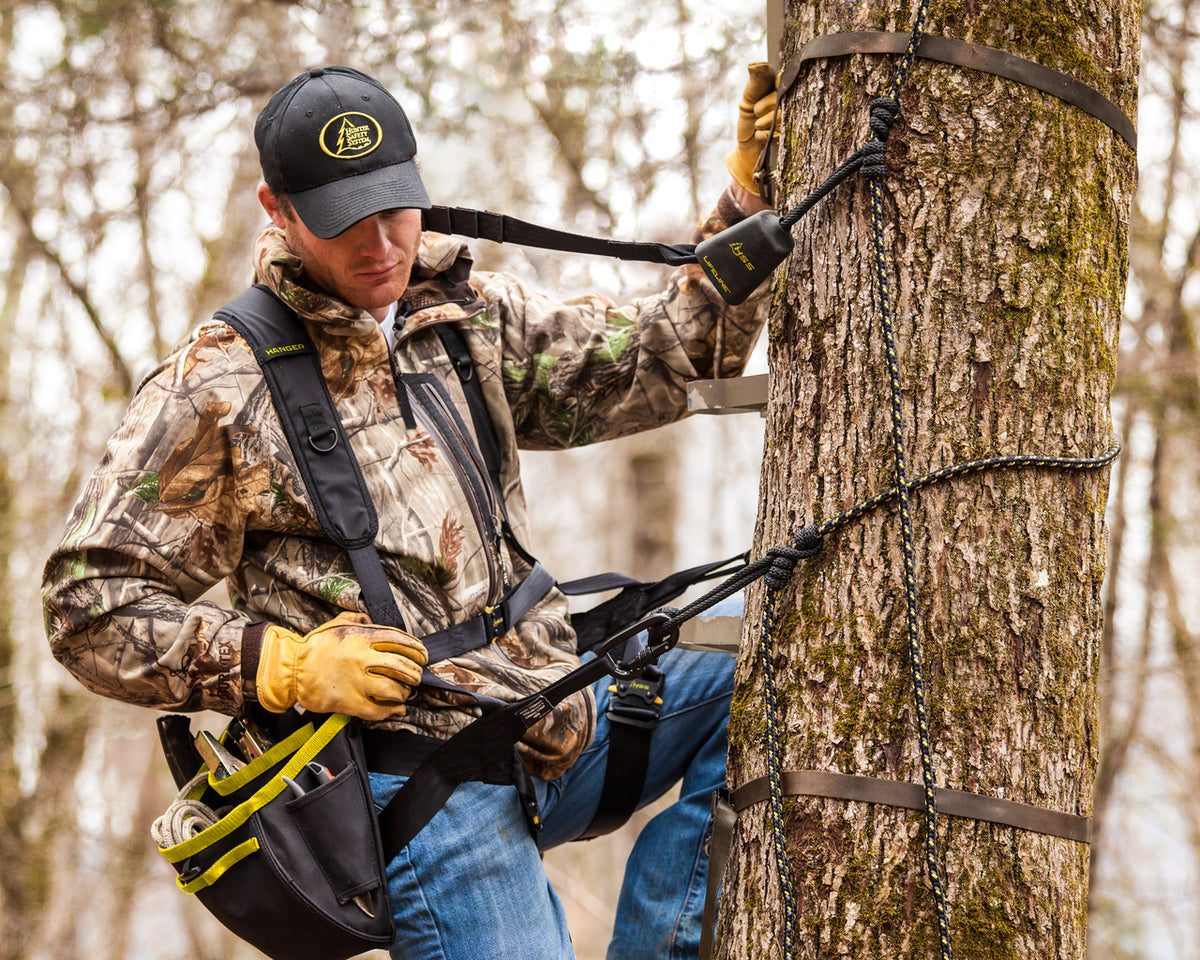
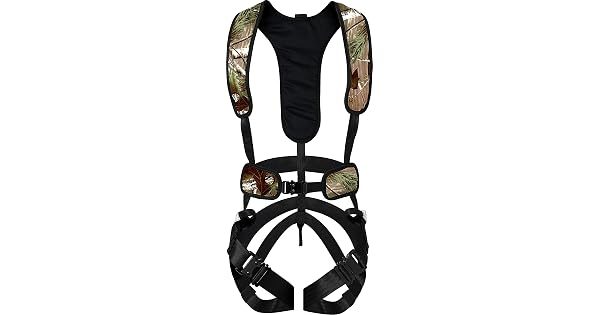
Wear a properly fitted full-body harness and stay connected to the tree from the time you leave the ground until you are back on the ground. Put the harness on at the base of the tree, snug the leg, waist and chest straps over your hunting clothes, and clip the tether to the lifeline's Prusik knot or carabiner before the first step up. Slide the knot up as you climb so the connection travels with you, and reverse the process on the way down.
A lifeline runs from the base of the tree to above the platform, so the climb and descent — the moments when most falls happen — are covered, not just the sit. Keep the tether short: seated in the stand, there should be little to no slack, with the tree attachment just above head height. Single-strap belts and chest-only harnesses are not substitutes for a full-body fall-arrest system. For cold sits, layer under the harness using the approach in our cold-weather layering guide so insulation never forces the harness off.
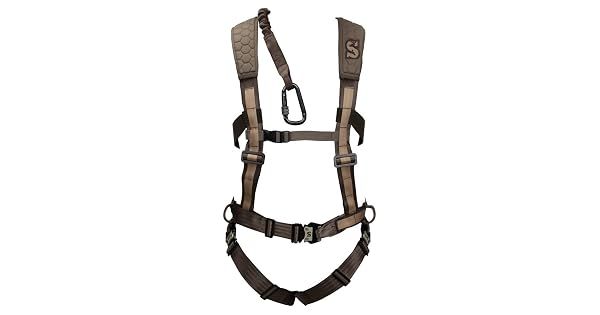
Summit Treestands Men's Pro Safety Harness
Full-body treestand harness with a military-inspired MOLLE accessory system for attaching pouches and gear, a 300 lb capacity, and a lineman's rope for climbing security.
Check price on Amazon ↗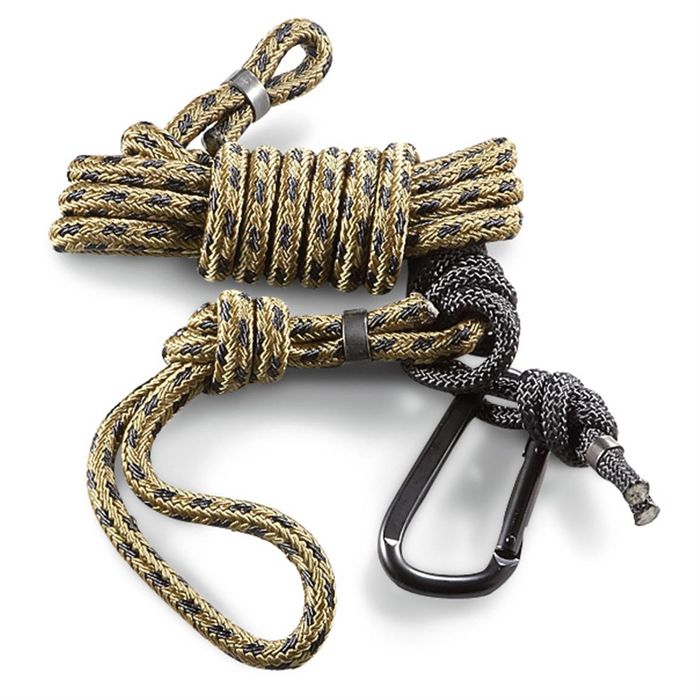
Hunter Safety System Rope-Style Tree Strap
9-foot rope-style tree strap with an adjustable Prusik knot that replaces a standard tree strap and serves as a lifeline for climbing-style treestands, keeping the hunter attached during the climb and the hunt.
Check price on Amazon ↗How do you hang climbing sticks?
Hang climbing sticks one section at a time from the ground up, staying connected with a lineman's belt or lifeline while each strap is set. Place the first stick so the bottom step is an easy step from the ground, strap it tight to the trunk, then climb only as high as that section allows before adding the next. Keep three points of contact — two hands and one foot, or two feet and one hand — at all times.
Space sections so each step up feels like a normal stair step, and set the top stick so the step onto the platform is level or slightly down, never a stretch upward. A haul line clipped to your belt lets you raise the stand and gear without climbing with anything in your hands. Test each stick's strap tension before trusting it with full weight, and re-check tension after the first climb, because straps can settle against bark.
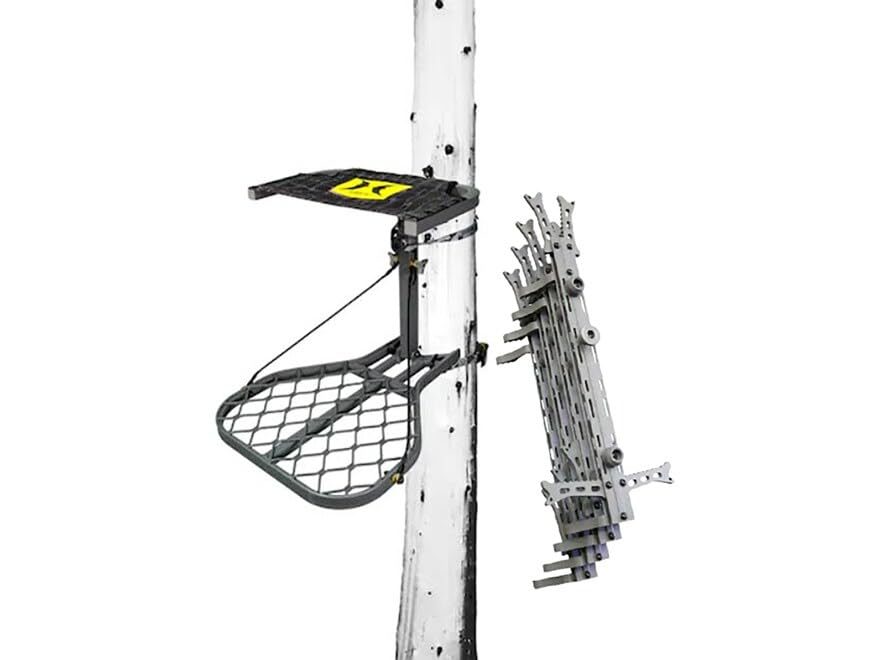
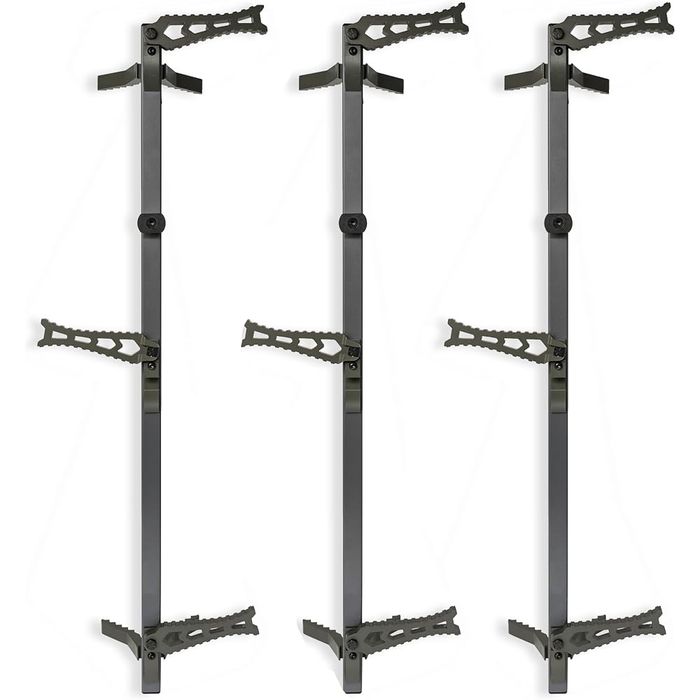
XOP Aluminum Climbing Sticks, Set of 3
Set of three 34-inch aluminum climbing sticks in Storm Grey with XOP green steps, designed to integrate with XOP hang-on treestands for transport and setup.
Check price on Amazon ↗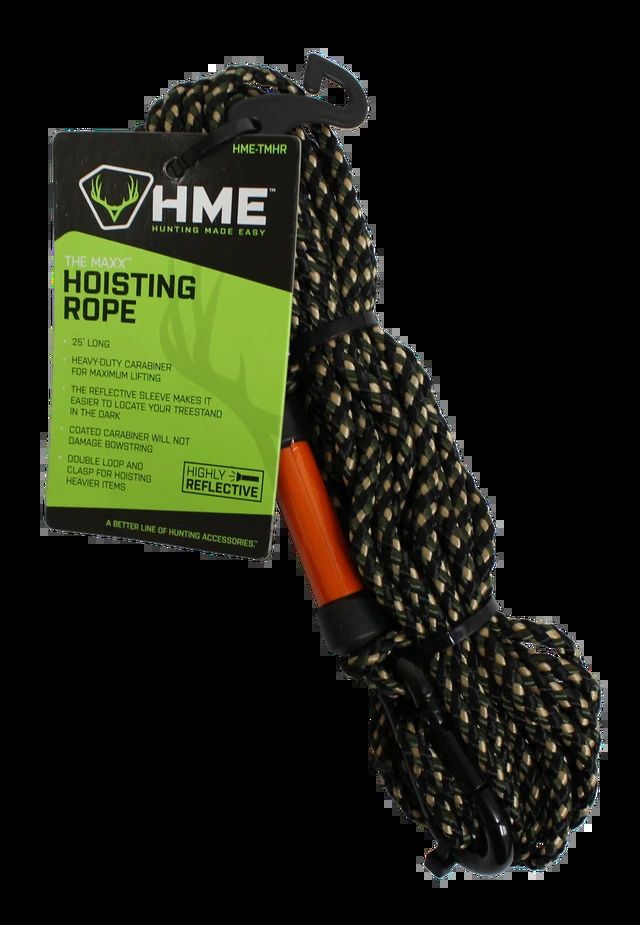
HME Maxx Hoist Rope, 25 ft
25-foot hoist rope with a heavy-duty PVC-coated carabiner-style hook that protects bows and gear during the lift, plus a bright reflective wrap for visibility in low light.
Check price on Amazon ↗How do you attach a hang-on stand safely?
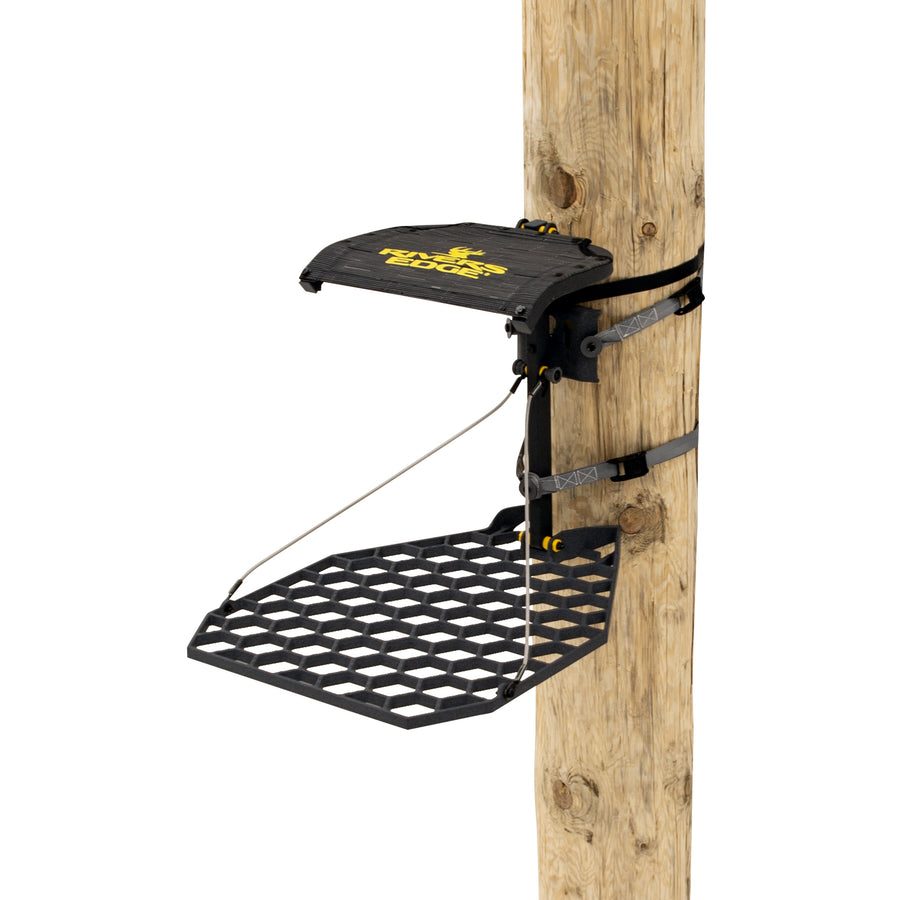
Attach the hang-on stand at platform height while connected to the lifeline or a lineman's belt, following the strap sequence in the manual for your model. Raise the stand with a haul line rather than carrying it up the sticks, hook or strap the top attachment first, then set the lower strap or bracket so the platform pulls tight and level against the trunk. Keep your weight on the sticks until every strap is tensioned.
Once the stand is hung, shift weight onto the platform gradually while still holding the tree, checking for rocking, strap slip or cable noise. Re-tension straps after the platform settles, confirm the seat and platform cables are fully engaged, and make sure the lifeline attachment sits above the platform so the tether stays short while seated. A stand that moves under a careful test does not get hunted from until the cause is fixed.
How do you hang a ladder stand?
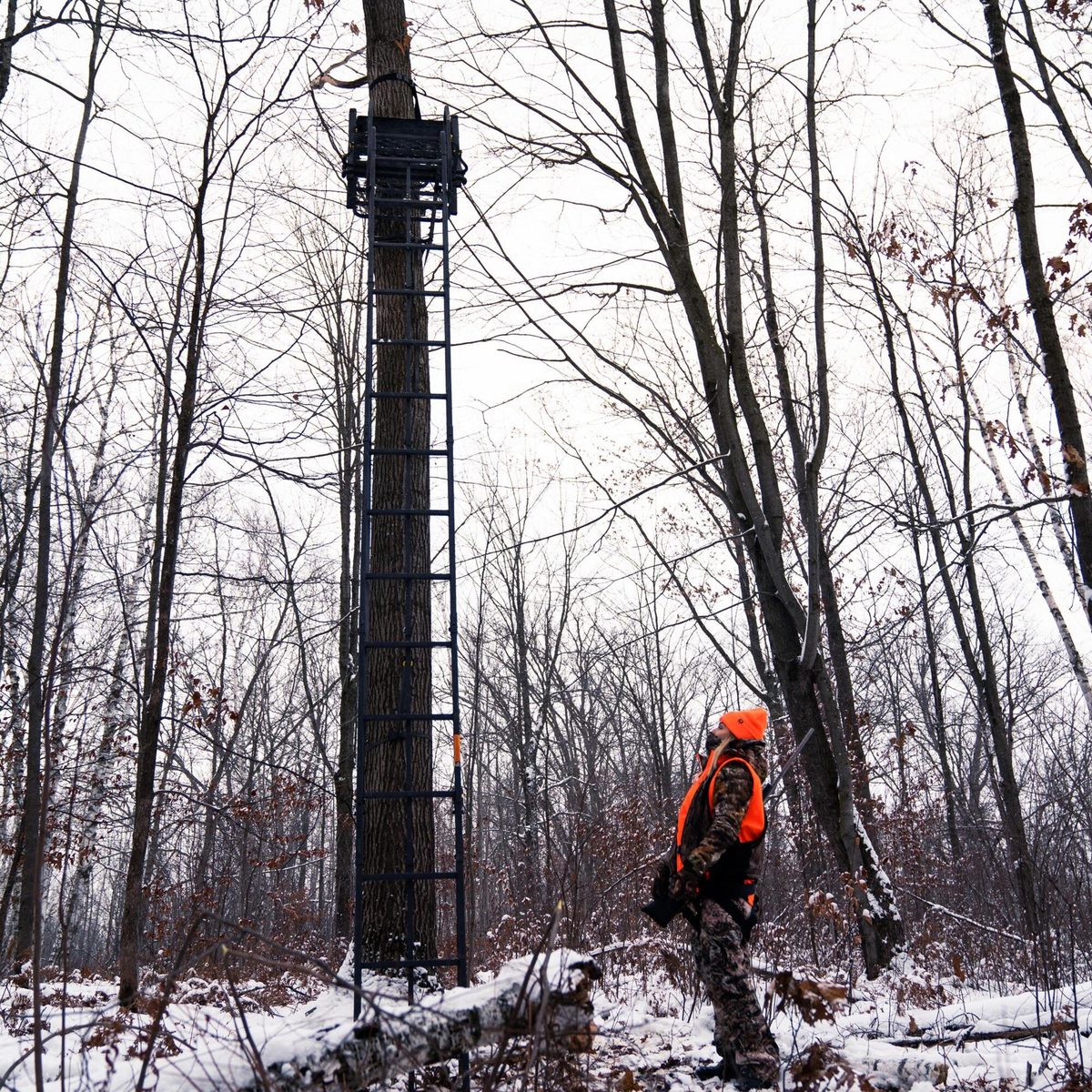
Hang a ladder stand with at least two people, assembling the ladder sections and platform on the ground before raising the stand against the tree. Walk the stand up hand over hand, set the ladder feet on firm, level ground, and fit the stabilizer bar between the ladder and the trunk. One person holds the ladder steady while the other climbs, connected to a lifeline, to set the ratchet straps at the platform.
Never climb a ladder stand that is not yet strapped to the tree, and keep three points of contact on every rung. Once the platform straps are tensioned, check that the ladder does not flex or shift, confirm the seat and shooting rail hardware is tight, and fit a lifeline so every future climb is connected from the ground. Ladder stands suit fixed sites well; for the wider gear picture, see our hunting gear guide.
How do you haul gear up safely?
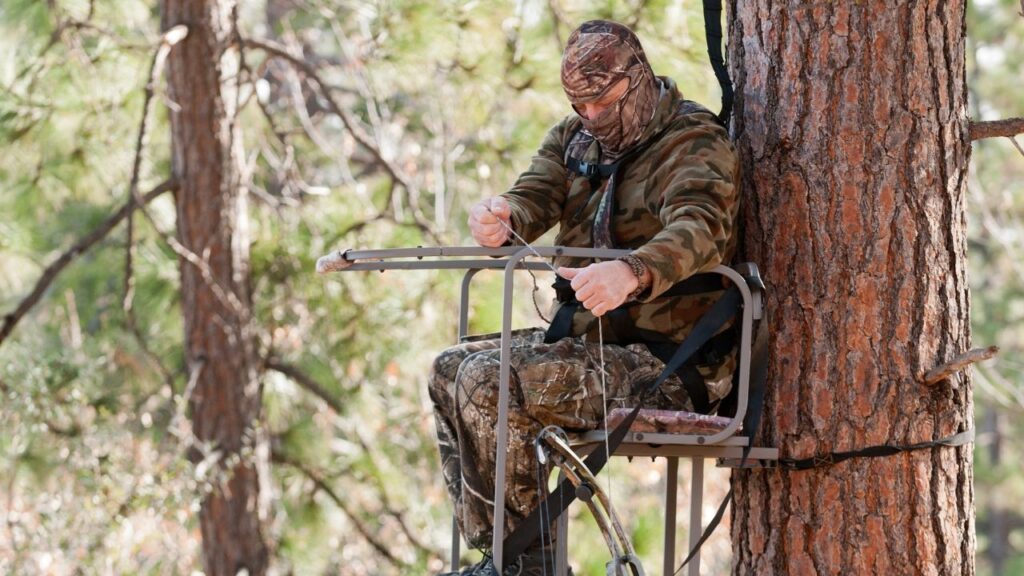
Haul gear up with a haul line after you are seated and secured — never climb with a firearm, bow or pack in your hands. Tie the line to the unloaded firearm or bow and to your pack before climbing, climb unencumbered with three points of contact, then pull the gear up once the harness tether is set. Lower gear to the ground first at the end of the hunt, on the opposite side of the tree from your descent where practical, then climb down.
Keep the haul line clear of sticks, straps and branches so the load rises straight without swinging into the trunk. A line long enough to reach the ground from your platform height, with a hook or loop that cannot slip off the gear, prevents the most common fumble: a dropped bow or pack partway up. The same unloaded-gear rule applies before field dressing a deer — the hunt ends safely only once hunter and gear are both back on the ground.
When should you replace treestand straps?
Replace treestand straps at the interval the manufacturer states, after any fall, and immediately when inspection shows cuts, fraying, broken stitching, sun damage or buckle problems. Webbing degrades with sunlight and weather exposure, so straps on stands left outdoors age faster than straps stored indoors. When in doubt, the strap is done — replacement webbing costs little next to the load it carries.
Replace harness webbing on the same logic: follow the harness maker's service-life guidance, retire any harness that has arrested a fall, and never use a harness with unknown history. Keep spare maker-approved straps and a suspension relief strap with your kit, and record replacement dates on the gear itself so the next inspection starts from facts, not memory.
What mistakes make treestands unsafe?
The mistakes that make treestands unsafe are consistent: climbing without a harness, disconnecting during the climb or the step onto the platform, trusting damaged straps, overloading the stand past its rated weight, and climbing with gear in hand. Each one removes a layer of the system at exactly the moment it is needed. TMA guidance notes that 95% of serious treestand-related injuries result from hunters not wearing a full-body harness.
Other recurring errors include hanging on dead or leaning trees, leaving stands installed for long periods without inspection, using homemade ropes in place of a rated fall-arrest system, and hunting without telling anyone the stand location and return time. Suspension trauma can develop quickly after a fall, so a rescue plan, a phone or radio, and a suspension relief strap belong in every treestand kit.
How do you remove and store a treestand?
Remove a treestand in reverse order of the hang, staying connected to the lifeline until your feet are on the ground. Lower gear first, then the stand or ladder sections on the haul line, unstrapping one attachment at a time while your weight stays on the sticks or ladder. Work with a partner for ladder stands, and never drop hardware from height.
Store the stand, sticks, harness and straps indoors, dry and out of sunlight, after cleaning off mud and moisture. Inspect everything again before storage so repairs and strap replacements are identified in the off-season, not on opening morning. Stands left in the woods between seasons still need a full inspection before reuse, and webbing that spent months in the weather should be treated as suspect until it passes that check.
Frequently asked questions
How high should a treestand be?
There is no single correct height — hang the stand only as high as cover, terrain and the manufacturer's limit require. Many setups sit roughly 12 to 20 feet up, but background cover and a safe climb matter more than extra height.
Do you need a harness in a ladder stand?
Yes — a full-body harness is needed in every stand type, including ladder stands. Connect to a lifeline before leaving the ground and stay connected until you are back down, keeping three points of contact on the rungs.
What is a lifeline and how does it work?
A lifeline is a rope secured at the base of the tree and above the platform, with a Prusik knot or carabiner that slides as you climb. Your harness tether clips to it before the first step, so a slip during the climb or descent is arrested instead of becoming a fall to the ground.
How often should treestand straps be replaced?
Replace straps at the manufacturer's stated interval, after any fall, and immediately if inspection shows cuts, fraying, broken stitching or sun damage. Straps stored outdoors age faster, so unknown-history webbing should be treated as expired.
Is a ladder stand safer than a hang-on stand?
Neither type is safe without a harness and lifeline; safety comes from the system, not the stand style. Ladder stands offer an easier climb at fixed sites, while hang-on stands suit mobile setups — both require strap inspection and a connected climb every time.
Can you climb with your bow or firearm?
No — never climb carrying a firearm, bow or pack. Tie unloaded gear to a haul line, climb with three points of contact, and pull the gear up once you are seated and secured; lower it first before descending.
What should you do if you fall and are hanging in a harness?
Use the suspension relief strap to take pressure off your legs, try to regain the platform or sticks, and call for help with a phone or radio. Suspension trauma can develop quickly, which is why a rescue plan and telling someone your location and return time matter before the hunt.
That covers the essentials. Browse our hunting gear guide for the gear we cover, and see the blog for more buying guides as we add them.
As an Amazon Associate, we earn from qualifying purchases. See our Affiliate Disclosure for how links on this site work.