By the Gandermountains.us team ·
Gandermountains.us is an independent gear guide. We are not affiliated with Gander Mountain, Gander Outdoors, or Camping World, and Gander Mountain is a trademark of its owner. Nothing on this page is sold by or endorsed by the brand. When we name a product below, it is a current alternative from a real manufacturer — not Gander Mountain gear, and we will not pretend otherwise.
Choosing a crossbow is not a contest for the highest speed number. The right crossbow is the one you can cock safely, carry comfortably, aim steadily in your blind or stand, and shoot accurately with bolts the manufacturer approves.
This guide explains the specifications that actually change the hunt: speed with a stated bolt weight, draw weight versus cocking effort, power stroke, cocked width, total weight, scope quality, bolt fit, decocking safety and warranty support. After you choose, use our crossbow sighting guide to zero it correctly.
Direct answer: Choose a crossbow by fit and safe handling first, then by speed. Look for a cocking system you can use without strain, a cocked width that clears your blind or stand, a total rigged weight you can carry, a clear scope, manufacturer-approved bolts, a safe decocking method, and speed rated with a stated bolt weight.
At a glance: choosing a crossbow
| Specification | What to check | Why it matters |
|---|---|---|
| Speed | FPS with bolt weight stated | Speed changes with bolt weight |
| Draw weight | Pounds plus cocking system | Cranks can make high draw weight manageable |
| Power stroke | Inches of string travel | Longer stroke usually supports speed |
| Cocked width | Axle-to-axle when cocked | Narrow bows clear blinds and stand rails |
| Weight | Total rigged weight | Scope, quiver and bolts add carry weight |
| Scope | Clear glass and correct reticle | A poor scope wastes an accurate crossbow |
| Bolts | Length, weight and nock type | Wrong bolts can damage the bow or fly poorly |
| Safety | Safety, anti-dry-fire and decocking | Safe handling matters every shot |
What crossbow speed should you choose?
Choose crossbow speed by the bolt weight used for the rating, not by the FPS number alone. A crossbow rated at 390 FPS with a 410-grain arrow will shoot slower with a heavier hunting bolt, and that heavier bolt may be the better hunting choice.
Speed helps flatten trajectory and reduce drop at unknown distances, but it also increases target wear, string stress and the penalty for poor bolt fit. For deer hunting, a well-sighted crossbow in the mid-300 FPS range with the correct bolt is easier to manage than a faster bow that is hard to cock or hard on targets.
How much draw weight and cocking effort can you handle?
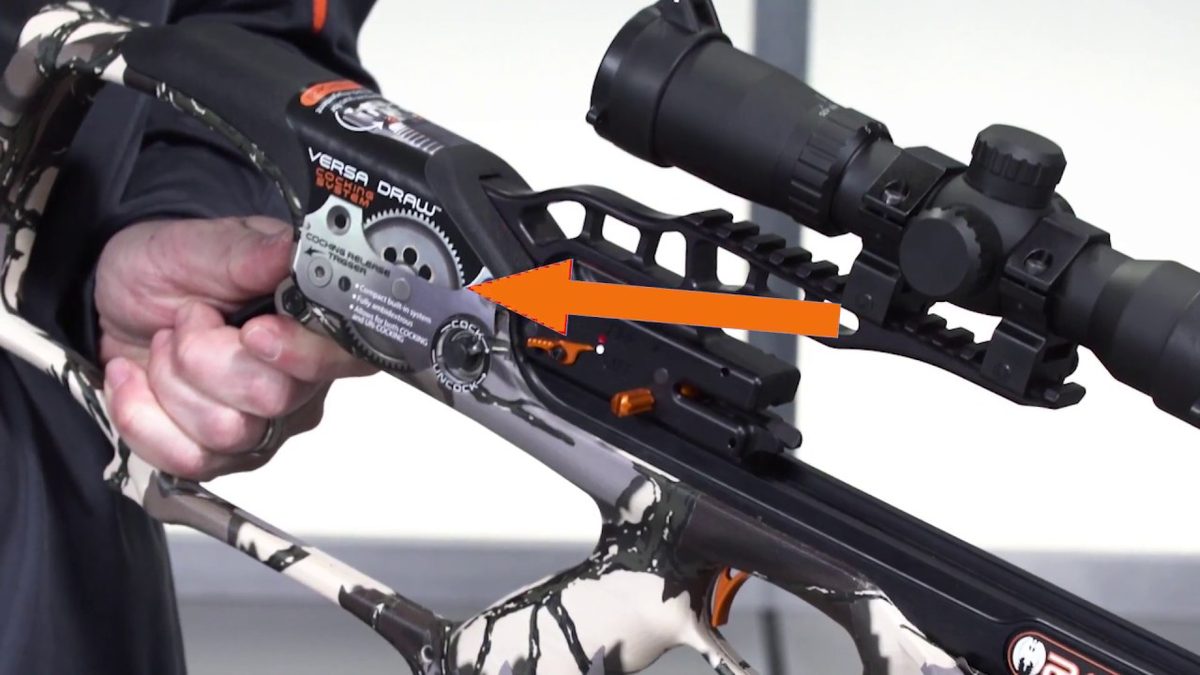
You should choose a cocking system you can use safely when you are cold, wearing gloves and sitting in a stand. Draw weight is not the same as cocking effort when a crank or integrated cocking system is fitted.
A rope cocker reduces effort and helps centre the string, while a crank gives the most control for hunters with shoulder, back or grip limits. The TenPoint Venom X example in manufacturer listings pairs 215 lb draw weight with an ACUslide cocking and de-cocking system, which shows why the system matters as much as the poundage.
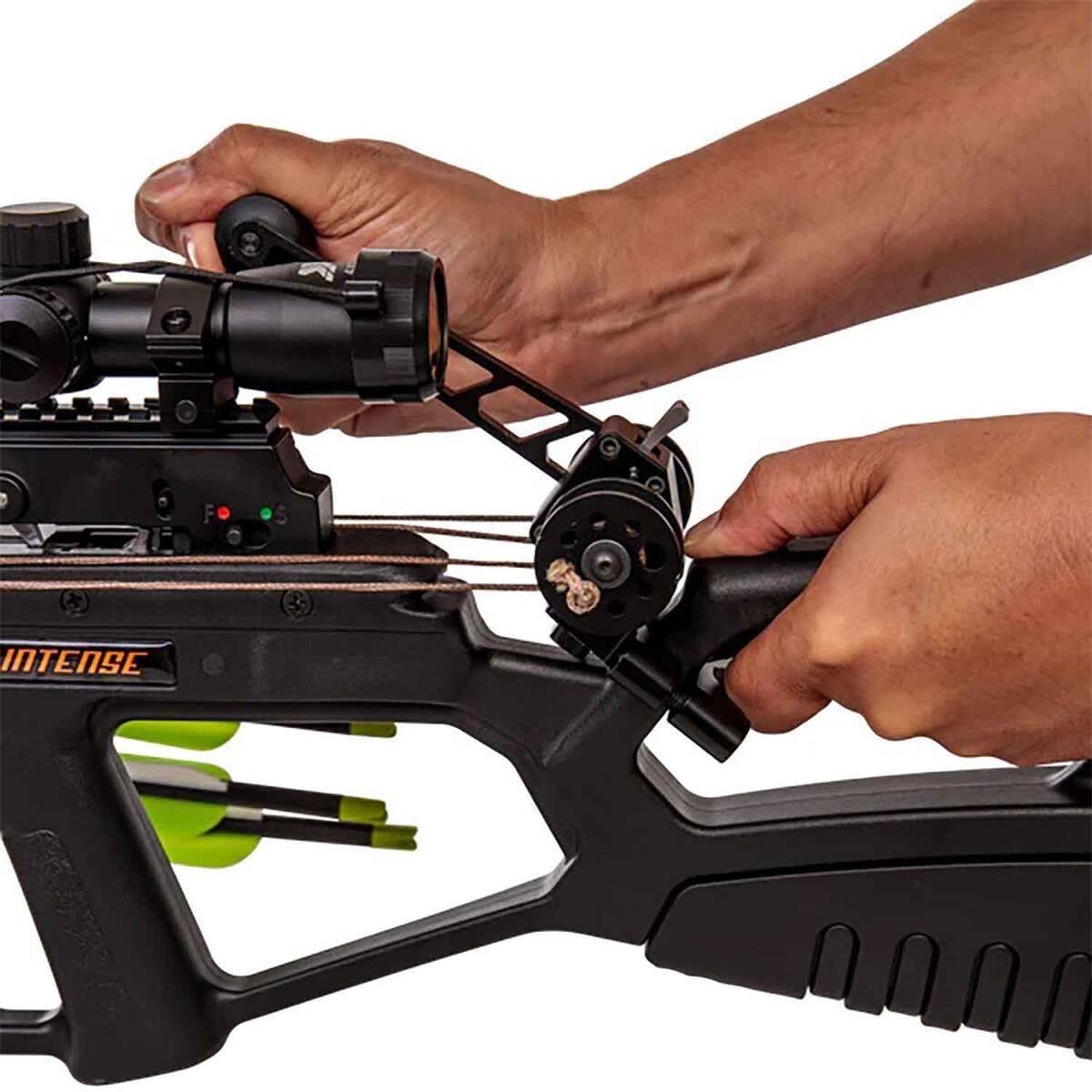
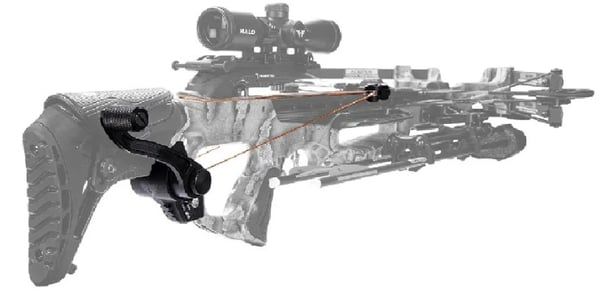
Barnett Crank Cocking Device (Explorer XP)
A Barnett crank cocking device for compatible Explorer models; check the exact crossbow fit before ordering.
Check price on Amazon ↗How does power stroke affect crossbow speed?
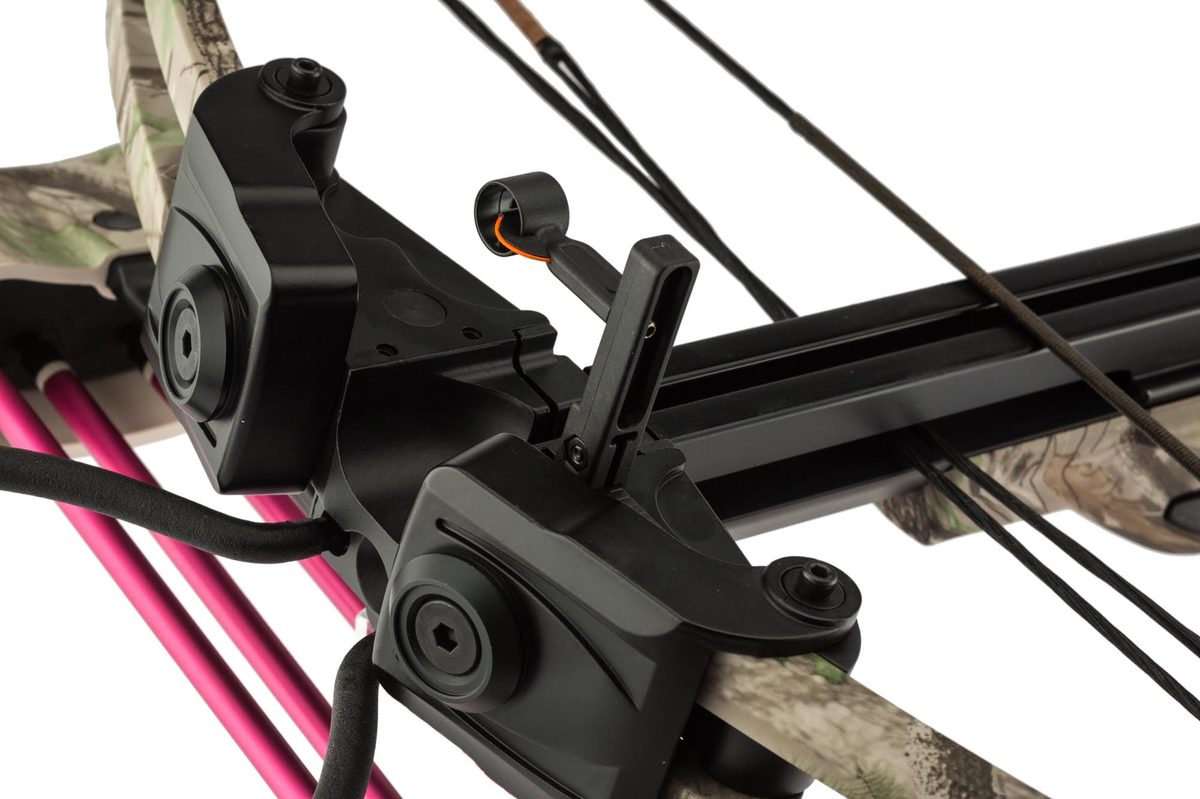
Power stroke affects speed because it is the distance the string pushes the bolt before the bolt leaves the rail. A longer power stroke gives the string more time to accelerate the bolt, while a short stroke needs more draw weight or more aggressive cams to reach the same speed.
Power stroke also affects size and handling. The Venom X example lists an 11.75-inch power stroke with a 9.75-inch cocked axle-to-axle width, showing how modern narrow bows combine stroke, cams and limb design. Do not compare power stroke alone; compare the complete speed, width and cocking package.
How narrow should a crossbow be for blinds and stands?
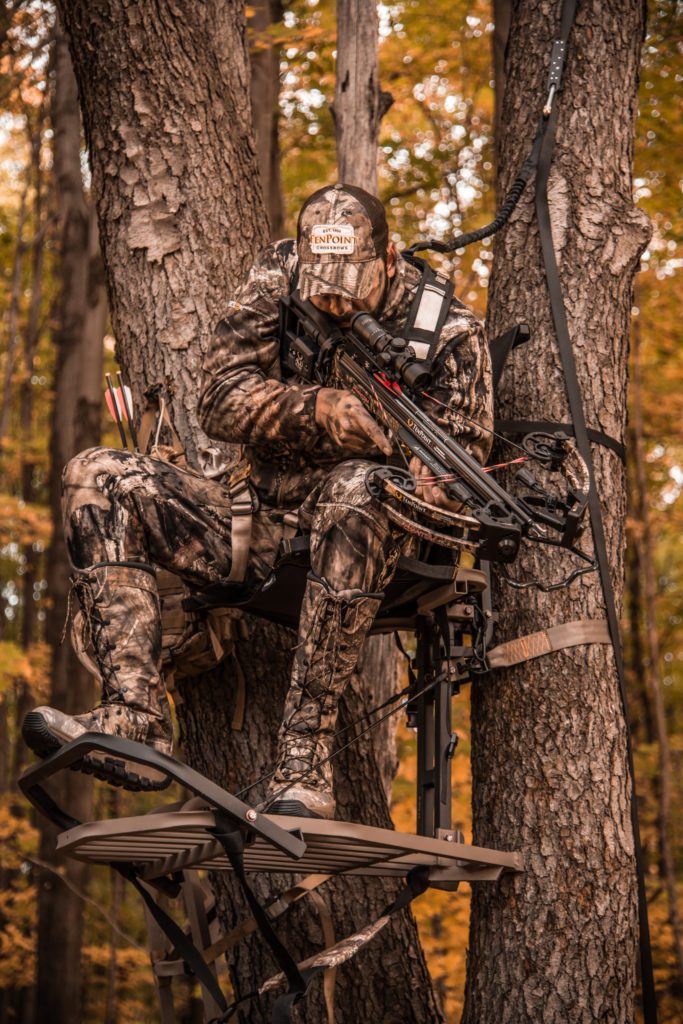
A crossbow should be narrow enough, when cocked, to clear blind windows, stand rails, branches and your own knees without forcing a rushed shot. Cocked axle-to-axle width is the number to compare, not the uncocked width in a product photo.
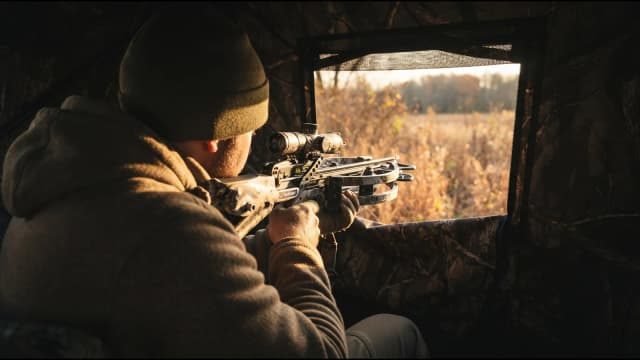
Narrow bows are easier to manoeuvre in a ground blind and less likely to strike a limb tip on a tree. Before buying, sit in your blind or stand position and imagine the cocked limbs at full draw; if the shot window is tight, width matters more than another 20 FPS.
How heavy is too heavy for a hunting crossbow?
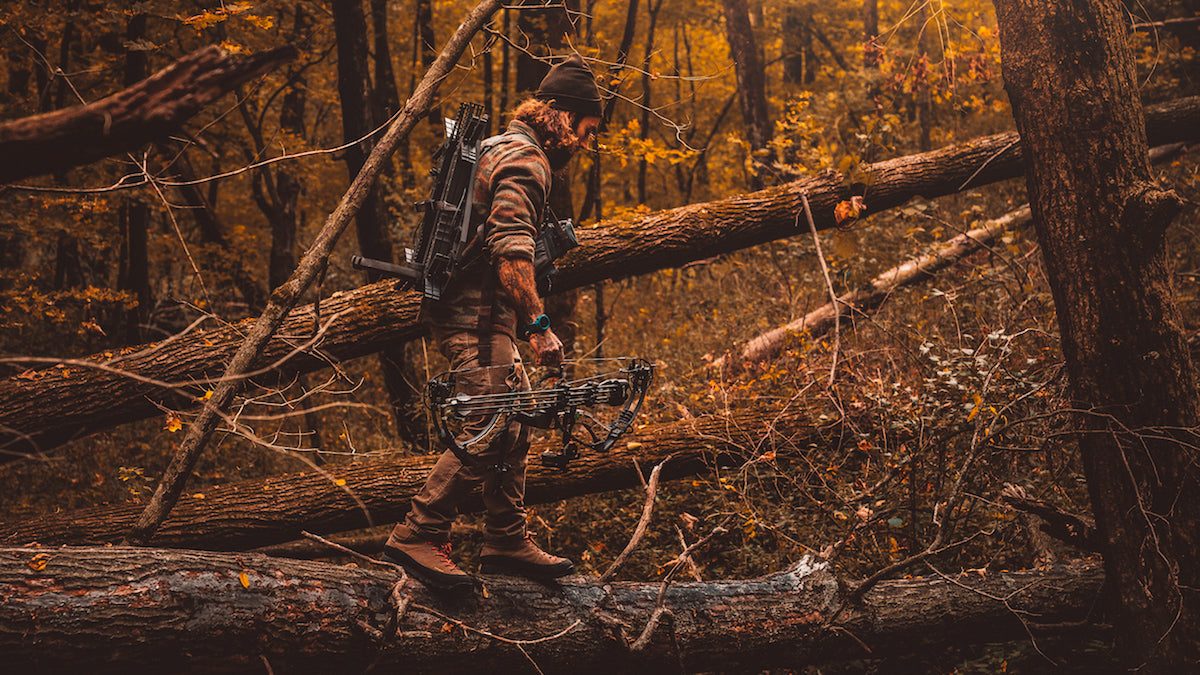
A crossbow is too heavy when you cannot hold it steady for the shot or carry it to the stand without fatigue changing your form. Compare total rigged weight with scope, quiver, bolts and cocking device fitted, not the bare bow weight alone.
Weight is not all bad. A slightly heavier crossbow can feel steadier from a rest, while a very light bow can be easier to carry but harder to hold still. If you walk far, choose the lighter complete package; if you hunt from a fixed blind with a rest, stability may matter more.
What scope should a crossbow have?
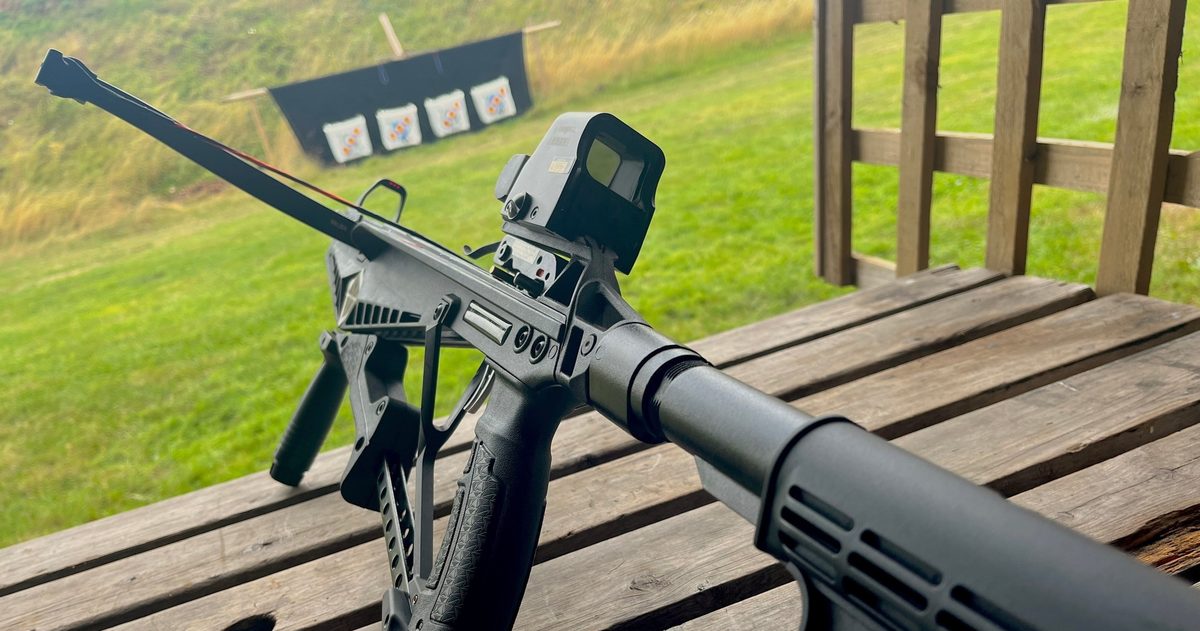
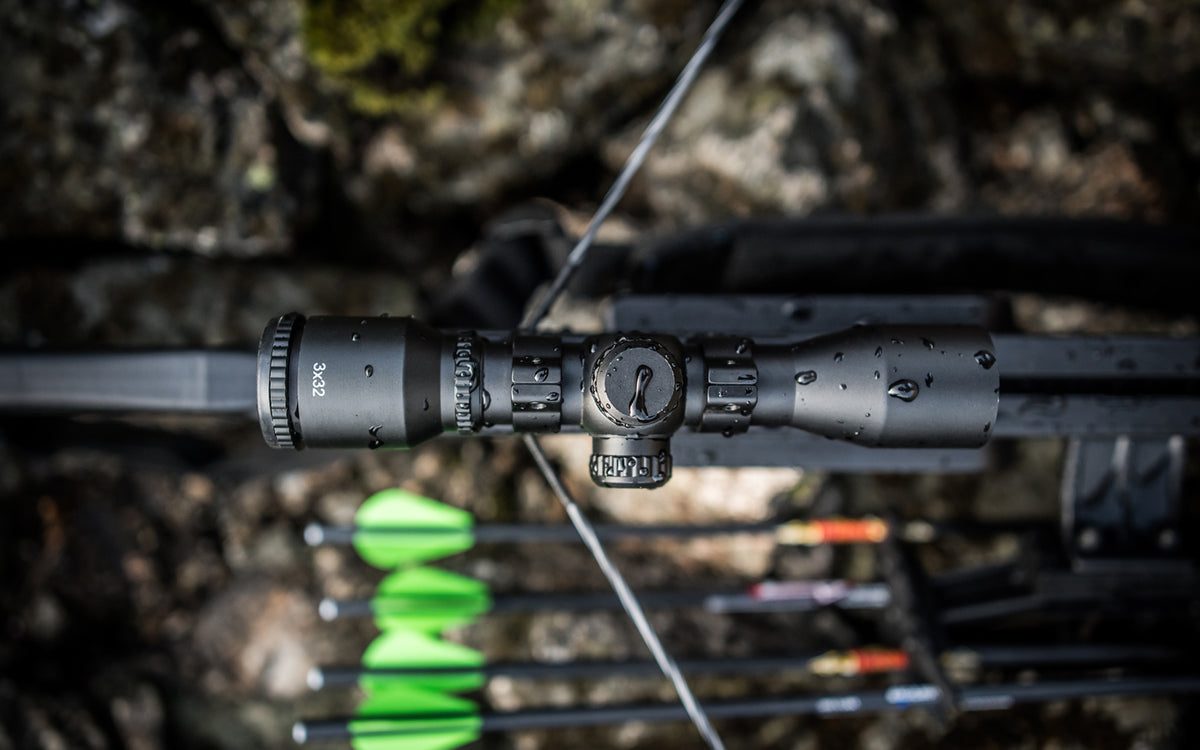
A crossbow scope should have clear glass, a reticle matched to crossbow distances and adjustments that hold zero after cocking and transport. A speed-ring scope is useful when it is set to the crossbow and bolt combination you actually shoot.
Check eye relief with your hunting jacket on, because a scope that forces your head forward will cause poor shots. Mount the scope with the correct rings, level the reticle and torque the screws to the scope or mount maker guidance. Excalibur guidance lists 15 to 18 inch-pounds for ring caps and 25 to 30 inch-pounds for ring bases on its mounts.
Which bolts and broadheads fit your crossbow?
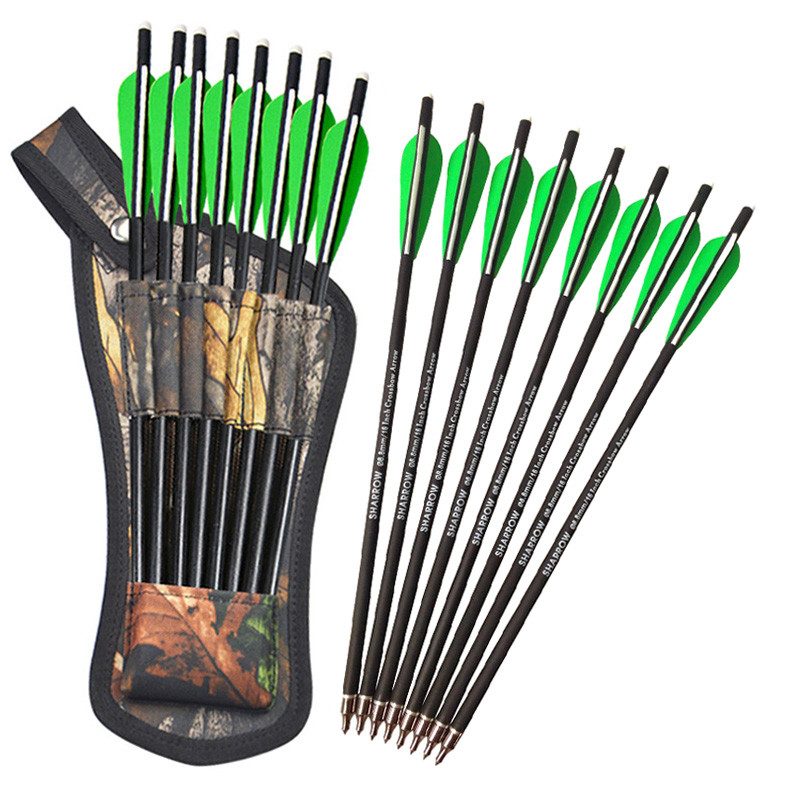
Use only bolts that match the crossbow maker length, weight, diameter and nock requirements. The correct bolt protects the limbs and string, keeps speed predictable and gives broadheads a stable platform.
Match field-point weight to broadhead weight before sighting in, then confirm broadhead impact at hunting distance. A bolt that is too light can act like a partial dry fire on some bows, and a wrong nock can cause a poor launch or string damage. Keep a spare set of approved bolts in the quiver.
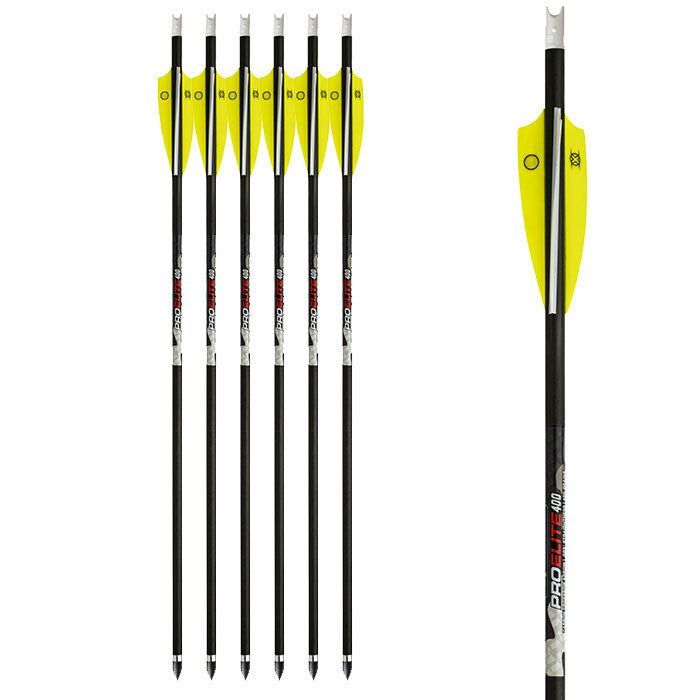
TenPoint Pro Elite 400 Carbon Crossbow Arrows, 20-inch
20-inch carbon crossbow arrows for compatible TenPoint setups; confirm length, weight and nock fit before use.
Check price on Amazon ↗What safety and decocking features matter most?
The safety features that matter most are a positive safety, anti-dry-fire protection where fitted, a finger guard or rail design that keeps thumbs below the flight track, and a decocking method approved by the manufacturer. Never dry-fire a crossbow.
For many crossbows, the safest decocking method is firing a bolt into a safe target unless the model has a manufacturer-approved decocking system. Keep fingers and thumbs away from the string, cables and flight track, confirm the safety after cocking, and keep limb tips clear of trees, blind frames and stand rails.
What should be included in a crossbow package?
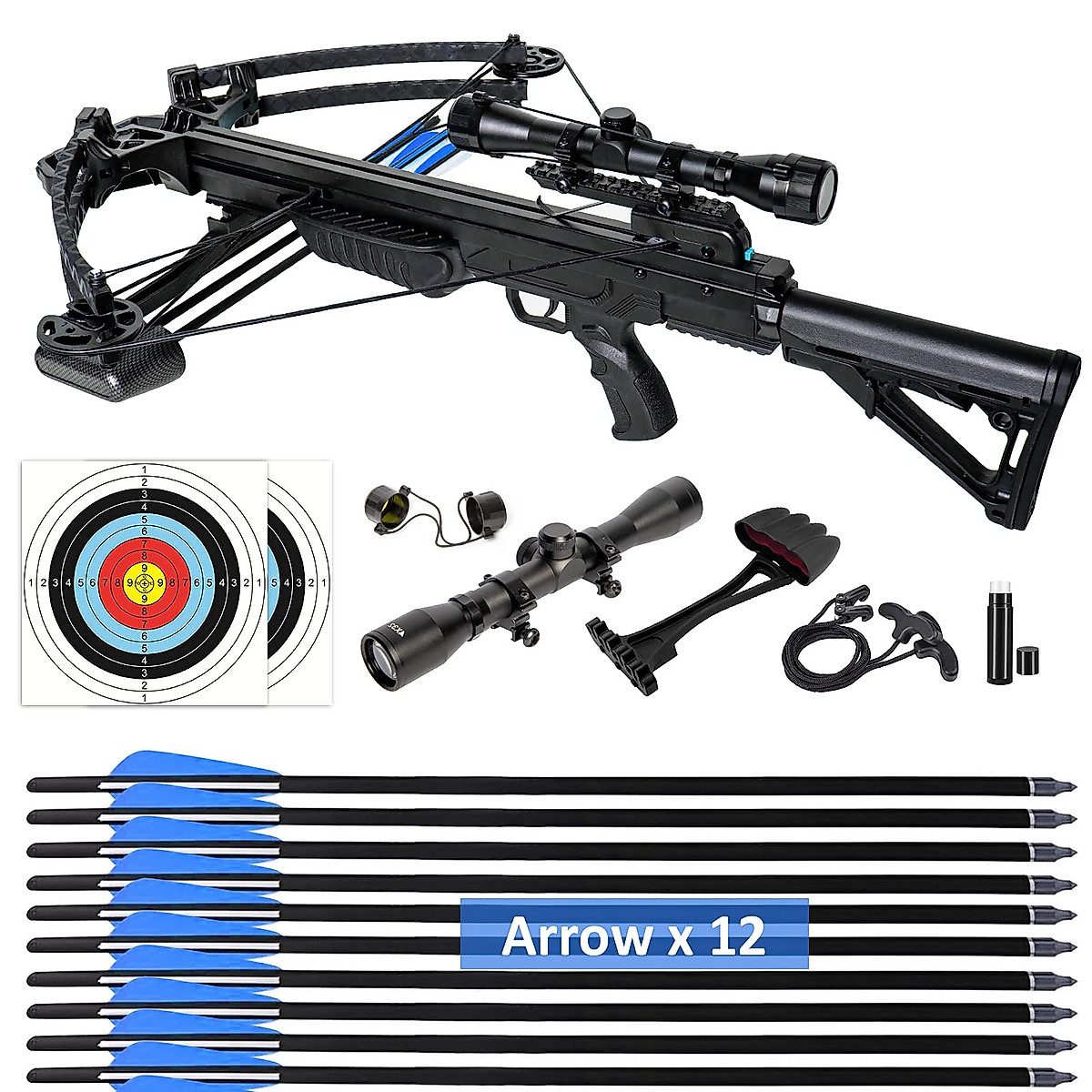
A useful crossbow package includes the bow, scope, quiver, approved bolts, cocking device and rail lubricant or wax specified by the maker. A package is only good value if the scope is clear, the bolts match the bow and the cocking device fits your strength.
Check what is missing before comparing prices. A target rated above the crossbow speed, spare bolts, broadheads, a case and a sling may still be needed. Our beginner archery gear guide covers the wider kit that supports a first season.
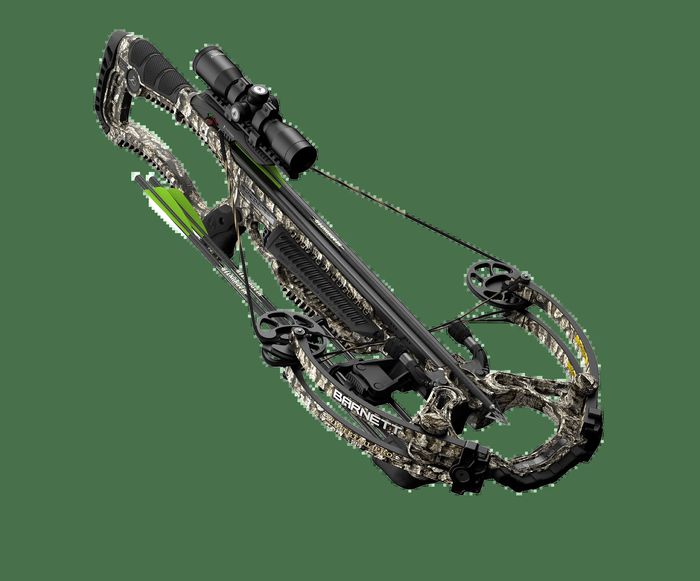
Barnett Whitetail Pro STR Crossbow Package
A Barnett crossbow package example with scope, arrows, quiver and rope cocking device; confirm the exact bundle before ordering.
Check price on Amazon ↗How accurate should a hunting crossbow be?
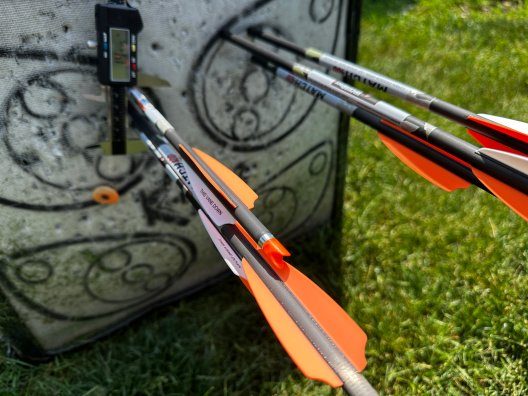
A hunting crossbow should group approved bolts tightly enough at 20 yards that scope adjustments move the whole group predictably. Accuracy comes from the complete system: bow, scope mount, bolt consistency, cocking method and shooter rest.
Do not judge accuracy from one shot. Shoot groups, measure the centre of the group, adjust the scope, then confirm at 30 and 40 yards if those distances are within your hunting limit. If groups open up, check scope screws, bolt nocks, serving wear and whether the string is centred after cocking.
Frequently asked questions
What FPS is enough for deer hunting with a crossbow?
A crossbow in the mid-300 FPS range with the correct hunting bolt is enough for deer at ethical ranges when the scope is sighted in and the broadhead is sharp. Speed helps trajectory, but accuracy, bolt weight and shot placement matter more.
Is higher draw weight always better?
No. Higher draw weight can support speed, but cocking effort depends on the cocking system. A crank or integrated system can make a high draw weight bow manageable, while a rope-cocked bow may be too much for some hunters.
What does power stroke mean on a crossbow?
Power stroke is the distance the string travels while pushing the bolt. A longer power stroke gives the string more time to accelerate the bolt, which can support speed without relying only on draw weight.
How important is cocked width?
Cocked width is very important in blinds and treestands because the limbs must clear windows, rails and branches. Compare cocked axle-to-axle width, not uncocked width, when judging manoeuvrability.
Can I use any crossbow bolts?
No. Use bolts that match the manufacturer length, weight, diameter and nock requirements. Wrong bolts can fly poorly, damage the bow or create a dry-fire risk.
How do I decock a crossbow safely?
Use the manufacturer-approved method for that model. For many crossbows, firing a bolt into a safe target is safest; some models have approved decocking systems. Never dry-fire and never put fingers in the string path.
Are crossbows legal for deer hunting everywhere?
No. Crossbow seasons and equipment rules vary by state and sometimes by season or hunter category. Check your state wildlife agency before buying or hunting.
That covers the essentials. Browse our hunting gear for the gear we cover, and see the blog for more buying guides as we add them.
As an Amazon Associate, we earn from qualifying purchases. See our Affiliate Disclosure for how links on this site work.