By the Gandermountains.us team ·
As an Amazon Associate, we earn from qualifying purchases. See our Affiliate Disclosure for how links on this site work.
For decades, a trip to a Gander Mountain store was how many American hunters got ready for the season. The hunting department ran deep: racks of camouflage, a wall of boots, glass cases of binoculars and scopes, and a corner for tree stands, calls, and scent control. The stores are gone now — the company went bankrupt in 2017, Camping World bought the remains, and the name was retired. But hunters still search for the name, and the question is fair: what was it known for, and where do you get that gear today?
Gandermountains.us is an independent gear guide with no connection to Gander Mountain, Gander Outdoors, or Camping World. Gander Mountain is a trademark belonging to its owner. We do not sell Gander Mountain products, and every alternative named here is another company's product, described as such.
What Gander Mountain was known for
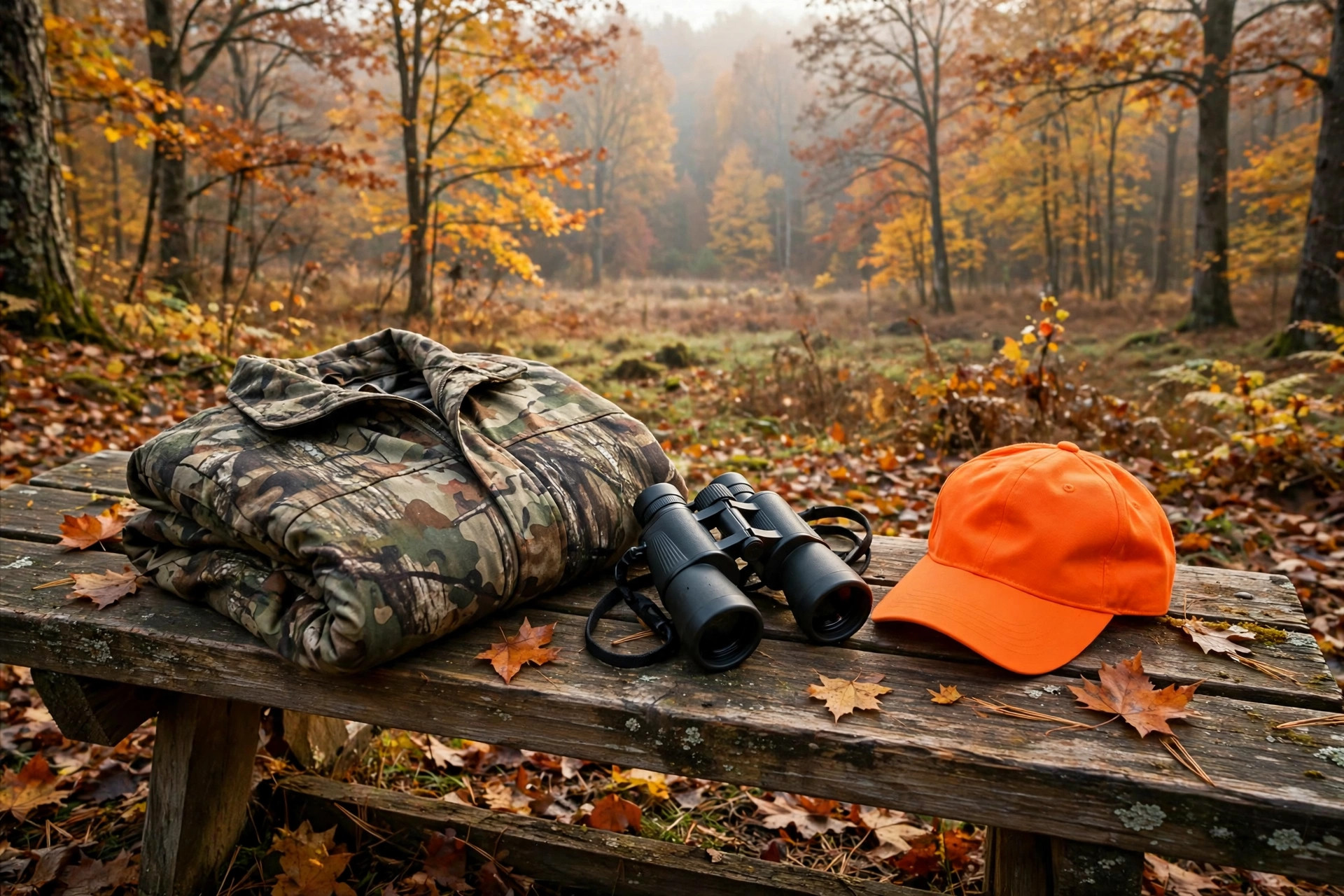
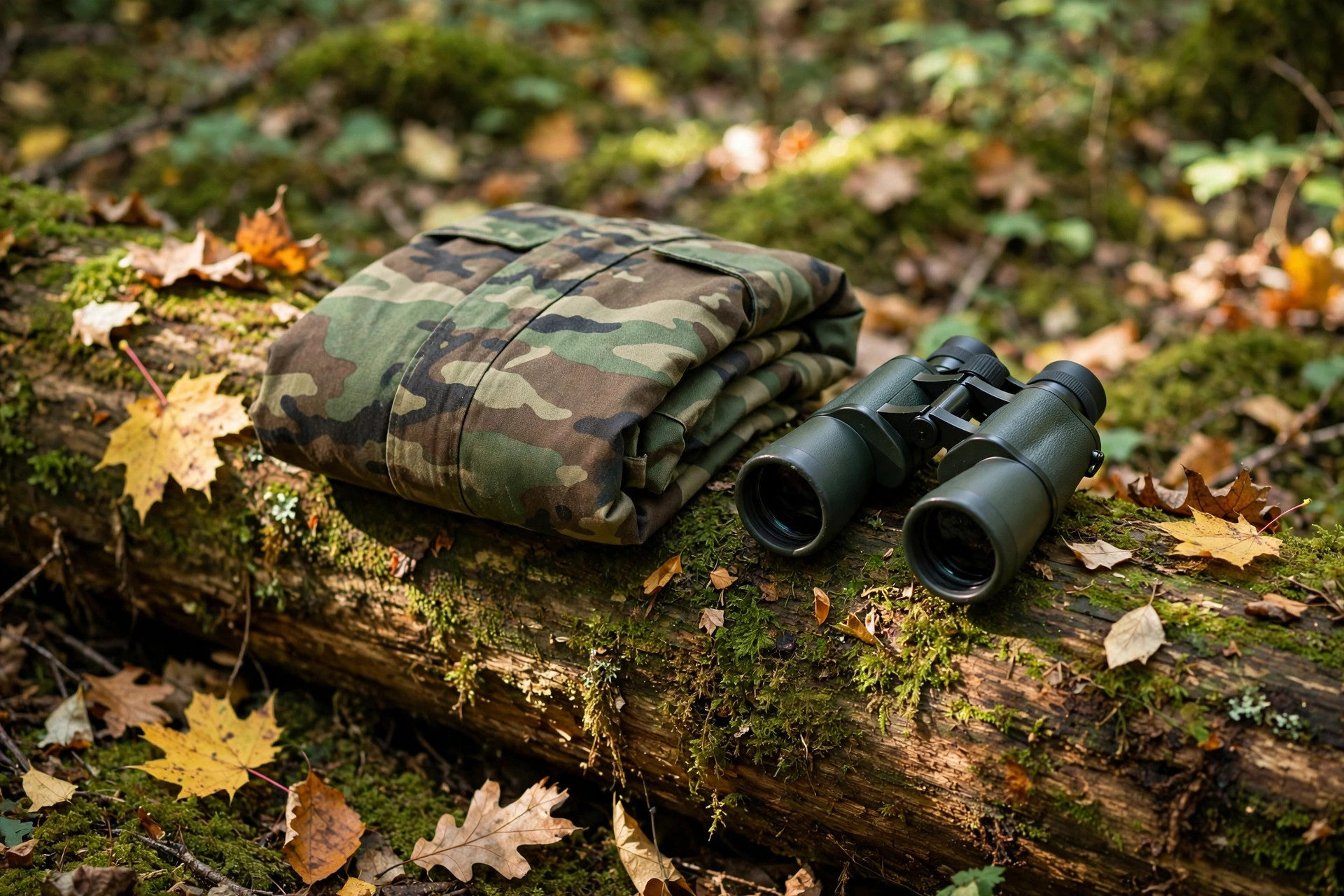
Founded in Wilmot, Wisconsin, in 1960, it grew into one of the biggest outdoor retailers in the country. Its hunting department earned its reputation on breadth and on staff who hunted themselves. Camo apparel was the anchor: jackets, bibs, and pants in the season's patterns, in sizes and fits that smaller shops could not stock. Hunting boots were the second pillar — insulated rubber and leather boots for cold, wet sits. Optics came third: binoculars, riflescopes, and rangefinders in a glass case, with staff who would let you compare them side by side. Around the edges sat the rest of the kit — tree stands, calls, decoys, packs, base layers, and scent-control sprays. The draw was kitting out for a whole season in one visit, not a single house brand.
Why you cannot buy Gander Mountain hunting gear anymore
After the 2017 bankruptcy, Camping World acquired the assets and reopened many stores as Gander Outdoors. The Gander Mountain name was retired, and no new product line is made or sold under it today. What you find under the name online is one of three things: genuine old stock or used gear, other brands' listings that use the name as a search term, or — worst — sellers implying their product is Gander Mountain gear when it is not. That last group is the trap. If a listing calls a jacket or a pair of boots "Gander Mountain" but the manufacturer is someone else, the name is bait, not a brand.
What to buy today: the honest alternatives
Everything the old hunting department stocked is still made, by companies still in business. Here is how to choose it, category by category.
Camo apparel and layering
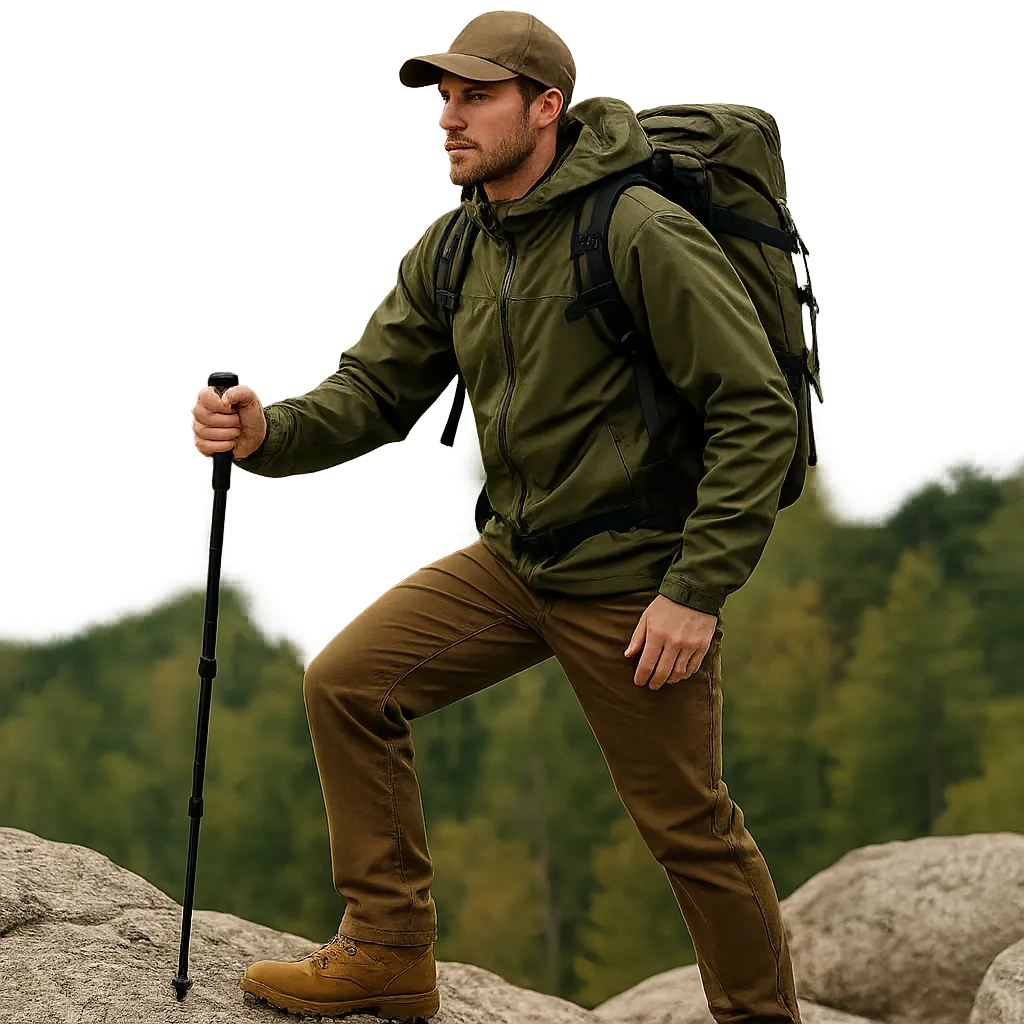
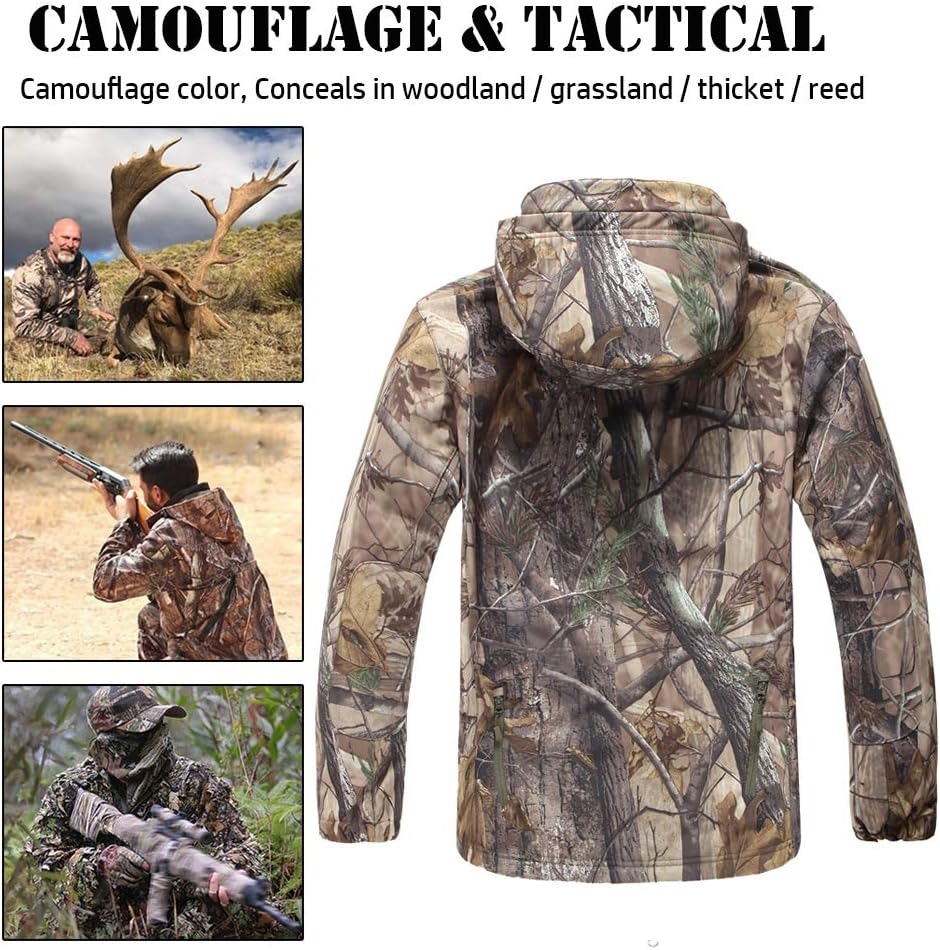
Start with the pattern: the wrong camo in the right season is worse than none. Open-country patterns — lighter, broken-up designs with tan and grey — suit western spot-and-stalk hunting and late-season fields. Dark, heavily wooded patterns suit early-season timber and treestand hunting, where you are sitting against bark and leaves. Think in layers, not one heavy jacket: a moisture-wicking base layer (merino or synthetic), an insulating mid-layer, and a quiet, windproof shell cover more conditions than one thick coat. On a budget, TACVASEN makes inexpensive tactical and outdoor apparel — softshell jackets, cargo pants, base layers in the $25–$60 range — that works well for a first season or as backup kit. At the other end, SITKA makes premium hunting apparel with layering systems built around specific hunts; expect $150–$400 per jacket. Mid-range, look at KUIU, First Lite, and Kryptek.
Hunting boots
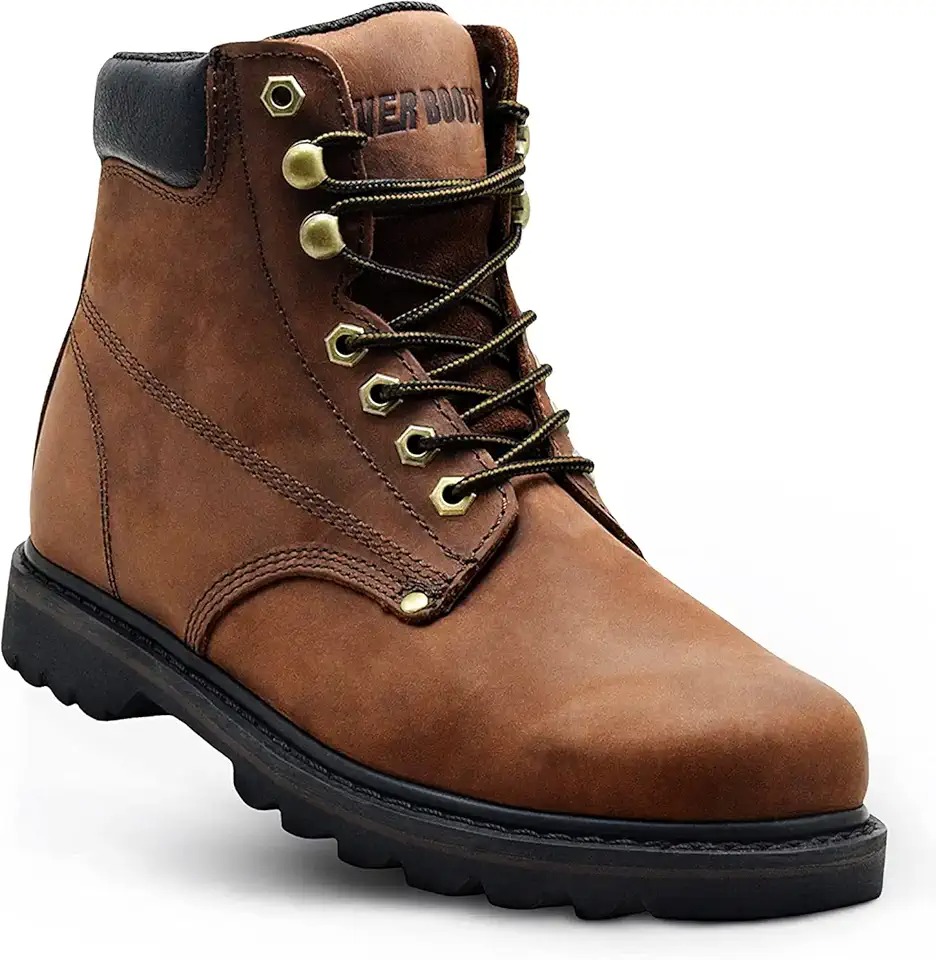
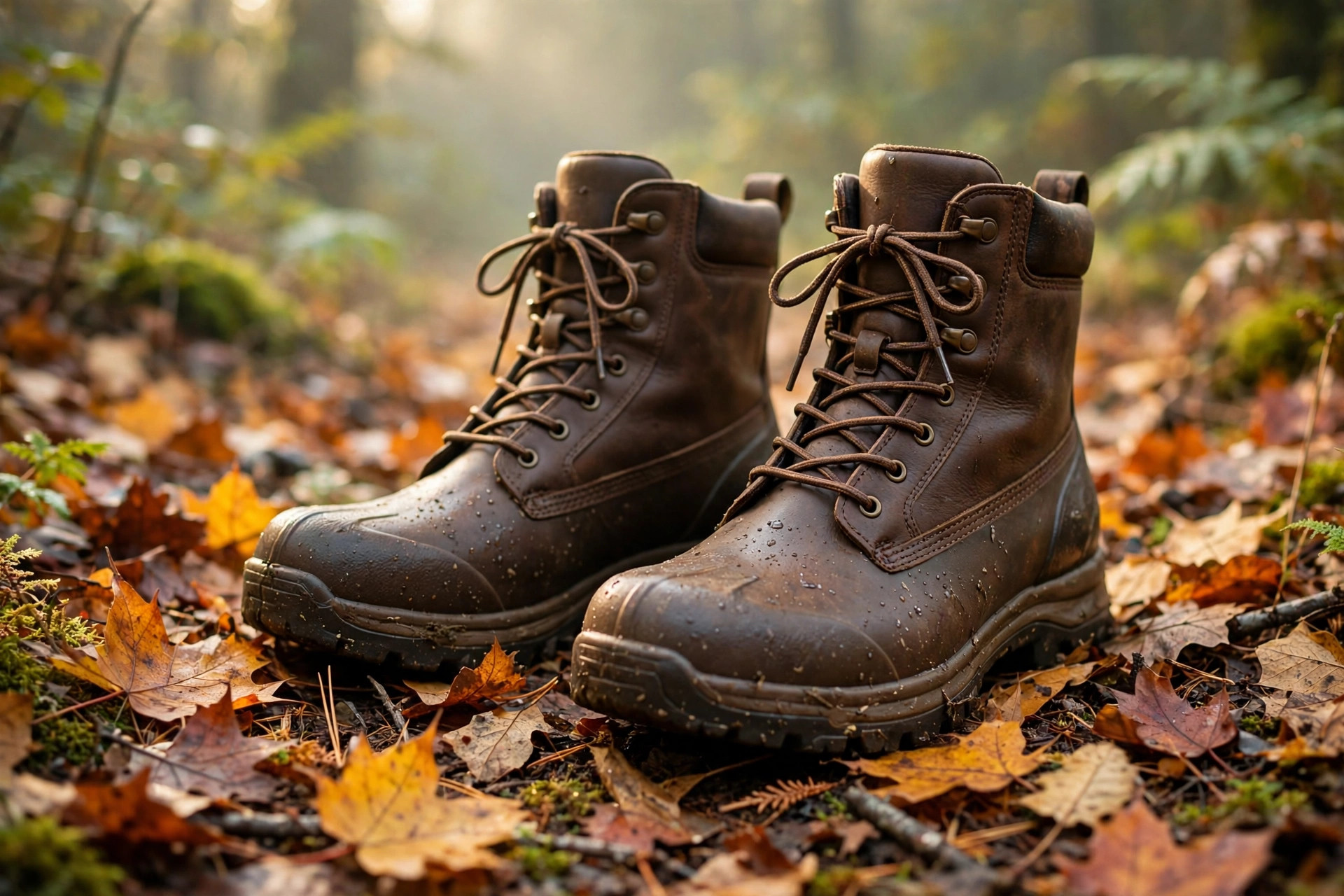
Insulation ratings are the number to learn. Uninsulated or 200-gram boots suit early-season and active hunting in mild weather. 400–600 grams covers most of autumn, including long sits in cool weather. 800 grams and up is for late-season sits in freezing temperatures — but insulation will not save feet that sweat on the walk in, so carry dry socks. Rubber boots are the standard for wet ground and scent control; leather boots with a waterproof membrane breathe better on long hikes. Expect $80–$150 for solid rubber boots (Muck, LaCrosse) and $150–$300 for leather hunting boots (Danner, Irish Setter).
Optics
A binocular is the most-used optic a hunter owns. For most deer and big-game hunting, 8x42 or 10x42 is the sweet spot: 8x is wider and steadier, 10x shows more detail but more hand shake. The second number is the objective lens diameter in millimetres; 42mm gathers enough light for dawn and dusk, when game moves. Compact 8x32s save weight but give up low-light performance. For a riflescope, a 3-9x40 variable is the all-round choice; a 4-12x40 or 4-16x44 suits longer shots in open country. If you must choose, spend more on the binocular — you will glass with it for hours. Solid entry-level binoculars start around $100–$200; mid-range optics run $300–$600.
Tree stands and safety
A tree stand can seriously injure you, so buy with safety first. Hang-ons are light and versatile but need climbing sticks and practice; ladder stands are heavier, easier to climb, and suit a fixed spot; climbers move with you but demand a straight, branch-free trunk. Three rules are non-negotiable whatever the type: wear a full-body safety harness, use a lifeline from the ground to the stand, and haul your bow up on a rope — never climb carrying it. Inspect straps and cables every season; replace any stand with rust, cracked welds, or frayed straps. A hang-on stand runs $100–$250; a ladder stand $150–$350; a harness and lifeline $60–$120.
Game calls, packs, and accessories
Calls are cheap to start and take years to master. A grunt call and a doe bleat cover most whitetail situations; a diaphragm or box call starts you on turkey — buy one call and practise with it rather than collecting five. A 2,000–3,000 cubic inch daypack carries everything a treestand hunter needs; backcountry hunters need 4,000+ and a frame that can haul meat. Scent control is worth a modest investment — unscented detergent, a spray bottle, clothes stored in a sealed bag — but no spray replaces playing the wind. Keep a headlamp, a knife, a small first-aid kit, and a way to call for help in every pack, every time.
How to shop without getting fooled
Three checks before buying anything trading on the Gander Mountain name. First, identify the real manufacturer — a brand name, a model number, a warranty with a company behind it. Second, distrust listings showing one brand's product under another brand's name — a search-term trick. Third, buy from a retailer with a clear returns policy. And if anyone sells "official" Gander Mountain gear as a current product line, walk away — there is no such thing.
The stores are gone, but the hunting they equipped is not. Everything the old hunting department was known for — camo, boots, optics, tree stands, calls — is still made by manufacturers still in business and still honouring warranties. Buy for the hunt you actually do, from a brand that puts its own name on the label. Browse our hunting gear guide for the gear we cover, and see the blog for more guides.