By the Gandermountains.us team ·
As an Amazon Associate, we earn from qualifying purchases. See our Affiliate Disclosure for how links on this site work.
If you hiked in the American Midwest in the 1990s or 2000s, there is a good chance your first serious pair of hiking boots came from a Gander Mountain. The stores were enormous, the footwear wall alone could take half an hour to walk, and for a generation of hikers the name still means a Saturday spent trying on boots. The stores themselves are gone — Gander Mountain went through bankruptcy in 2017, Camping World bought what was left, and the shops reopened as Gander Outdoors before the Gander Mountain name was retired. But shoppers still search for Gander Mountain hiking gear, so this guide answers the honest question behind that search: what was the brand known for on the trail, and what should you buy today if that is the gear you want?
This site is an independent guide to outdoor gear, run by the Gandermountains.us team. We have no connection to Gander Mountain, Gander Outdoors, or Camping World — the Gander Mountain name is a trademark belonging to its owner, and nothing here is sold or endorsed by that company. Every product named below comes from a different, currently trading manufacturer, presented as an alternative in its own right.
What Gander Mountain was known for
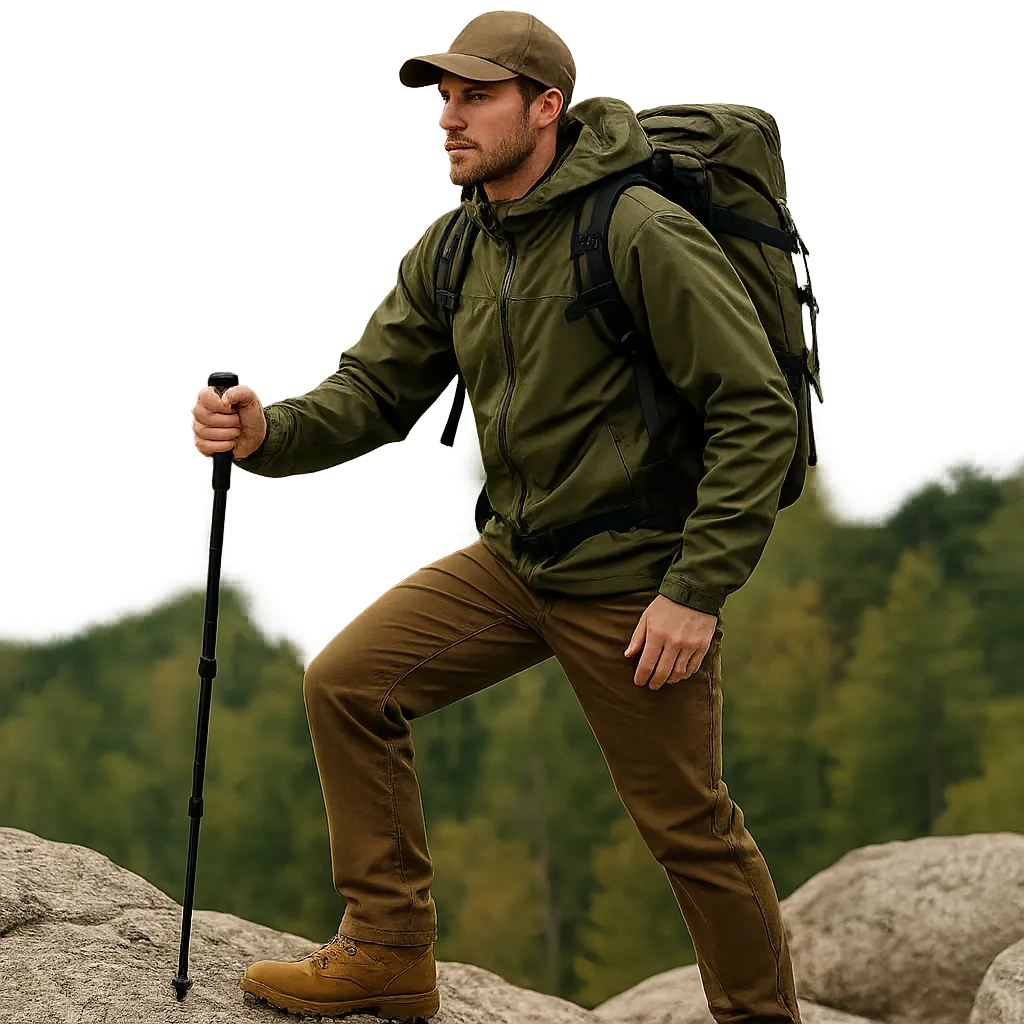
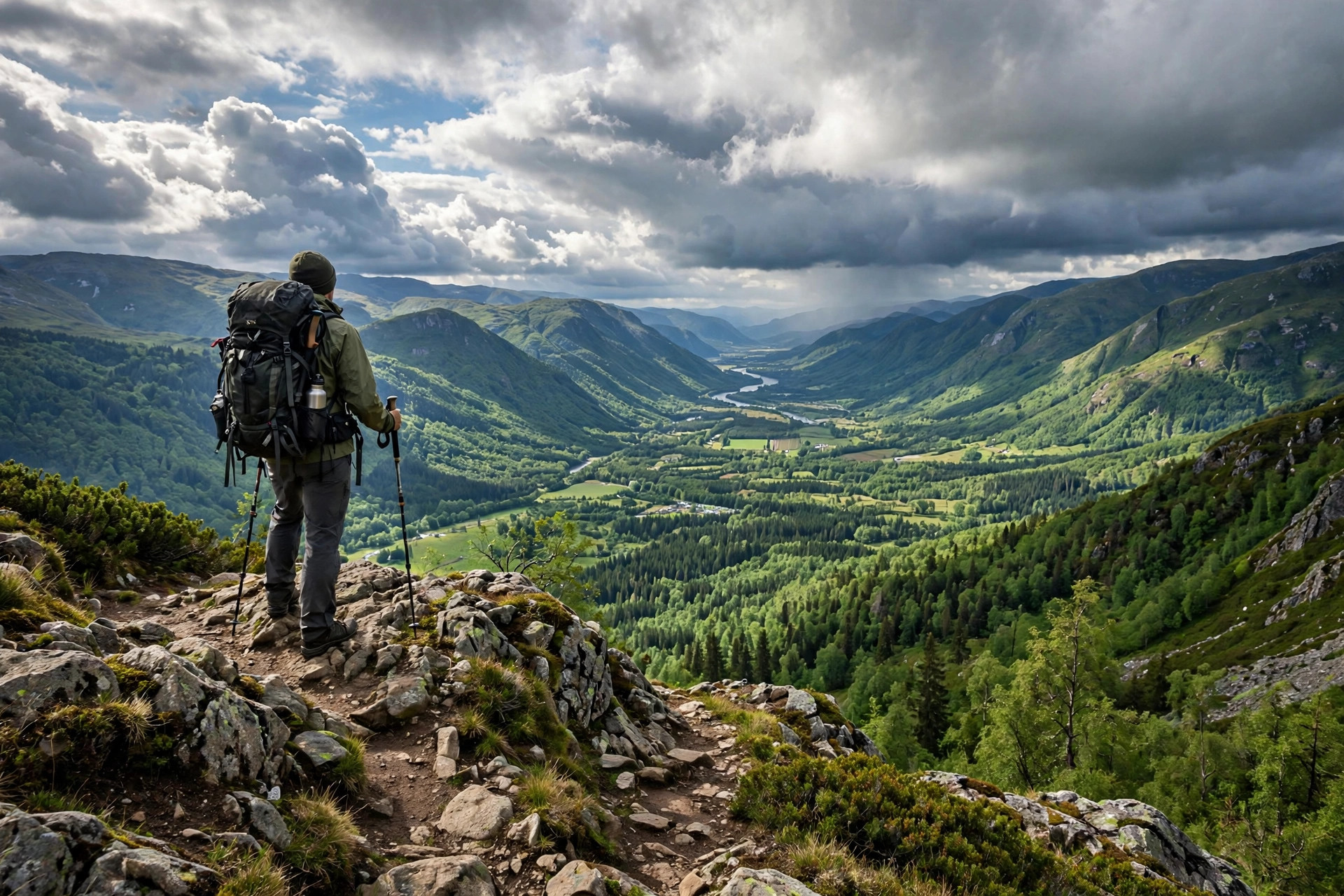
Gander Mountain started in 1960 in Wilmot, Wisconsin, and grew into one of the largest outdoor retailers in the United States. Hiking was one of its core departments, and the stores built their reputation on a few things done well. First, footwear: a wall of hiking boots and trail shoes in real sizes and widths, with staff who would measure your feet and talk honestly about ankle support. Second, backpacks: daypacks through multi-day packs. Third, the small essentials that make a hike work — trekking poles, hydration reservoirs and bottles, headlamps, and first-aid kits. Fourth, rain gear and trail apparel: waterproof jackets, moisture-wicking layers, and hiking pants.
Why you cannot buy it anymore
In 2017 the company behind the stores entered Chapter 11 bankruptcy. Its assets were bought by Camping World, the shops were relaunched as Gander Outdoors, and the Gander Mountain name itself was phased out over the following years. No new hiking line carries the name today. When the name appears in a listing now, it is generally leftover stock, second-hand gear, or a different maker's product dressed up with a familiar search term — and that third case is the one to watch for. A backpack labelled "Gander Mountain style" is not Gander Mountain gear, no matter what the listing suggests.
What to buy today: the honest alternatives
If what you actually want is the kind of gear Gander Mountain sold — solid, mid-priced hiking kit that works — here is where to look now, category by category.
Hiking boots
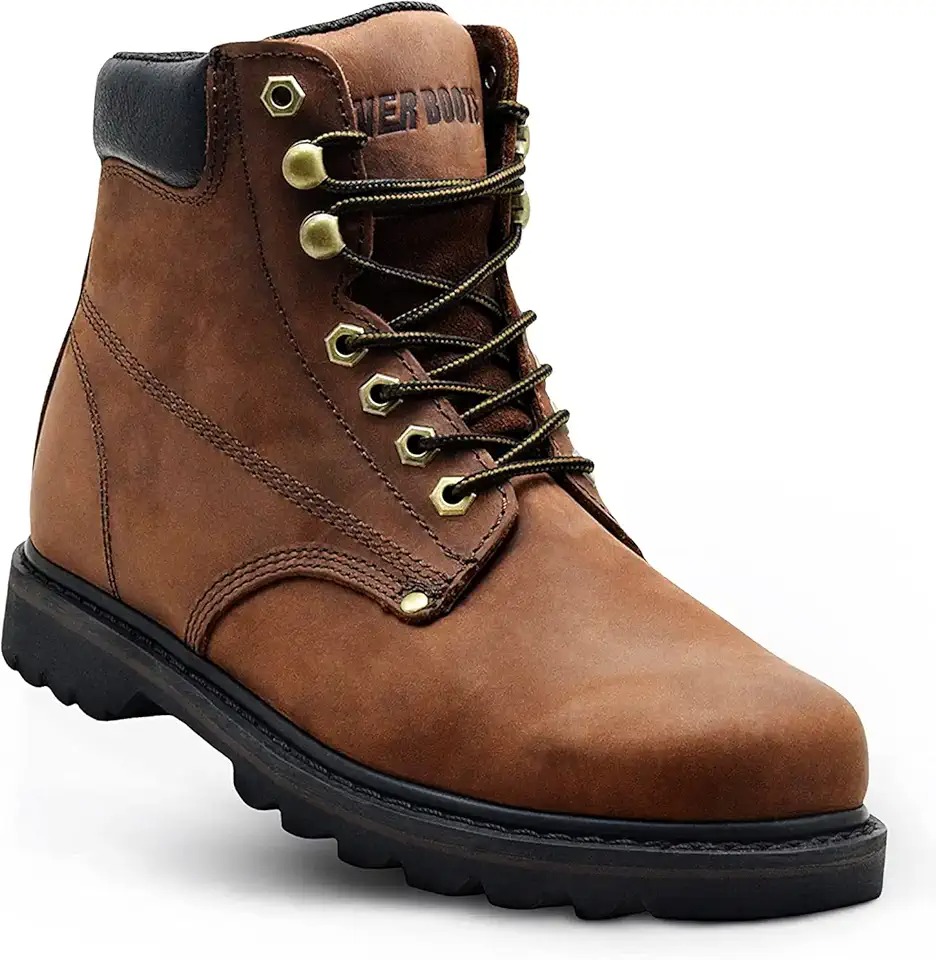
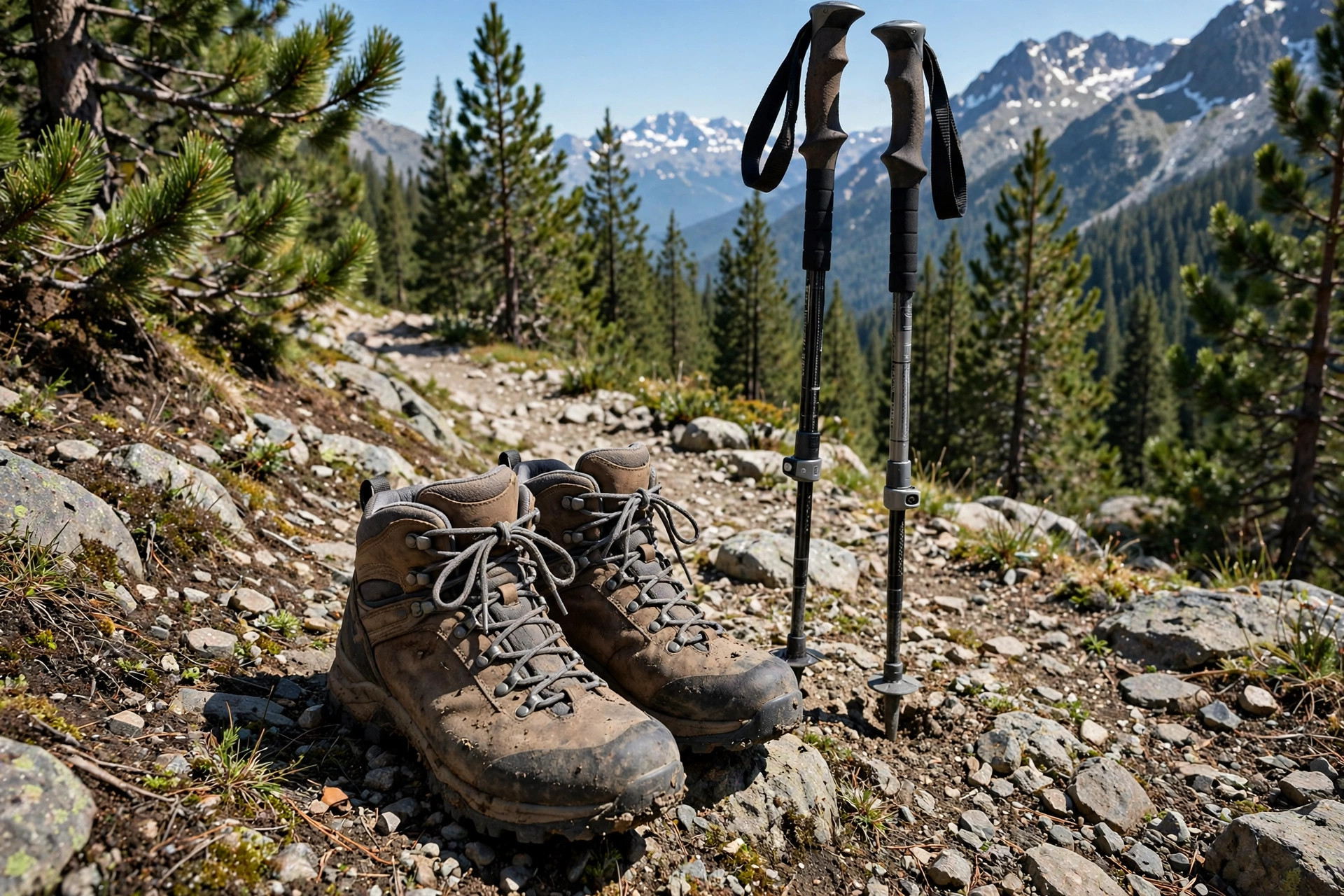
Boots are where Gander Mountain earned its reputation, and they are still the most important purchase a hiker makes. Fit comes before brand: try boots on in the afternoon, when your feet are slightly swollen, wearing the socks you will actually hike in, and leave a thumb's width between your longest toe and the front of the boot. Ankle support matters most on rough ground and under a heavy pack; for smooth, well-kept trails, a lighter trail shoe is often the better call. Waterproof membranes such as Gore-Tex keep feet dry in wet grass and shallow stream crossings, but they run warmer and dry more slowly once water gets in — on hot, dry trails, a breathable non-waterproof boot is usually more comfortable. Today, brands such as Merrell and Salomon cover the same ground the old boot wall did: dependable mid-cut hikers in the $100–$180 range. Expect to pay $80–$130 for a solid trail shoe and $130–$220 for a sturdy leather or waterproof boot.
Backpacks
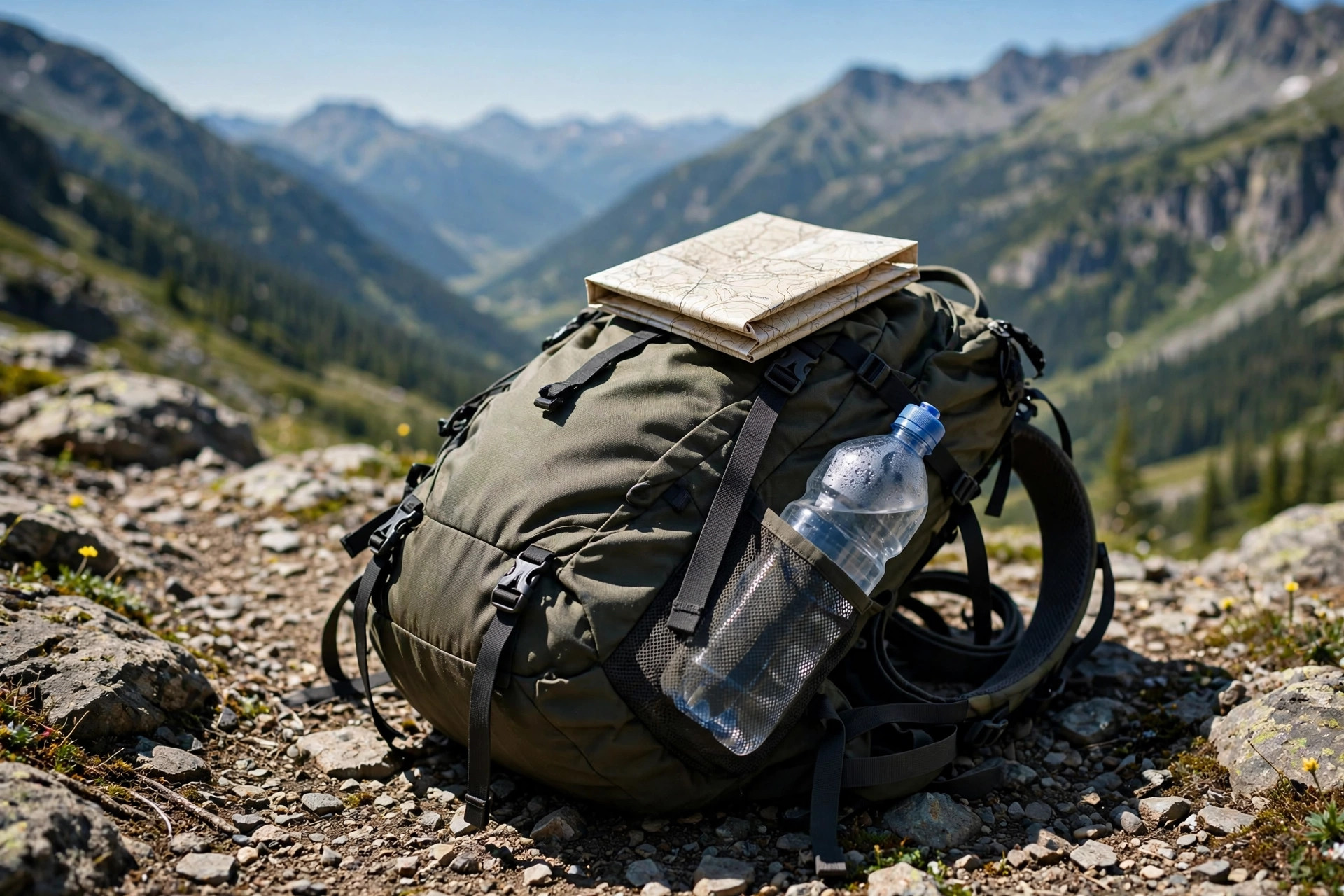
Pack capacity should match the trip, not the sale price. A 20–30 litre daypack covers a full day on the trail: water, food, a rain shell, a first-aid kit, and a spare layer. Weekend trips of two to three days need 40–55 litres; anything longer, or cold-weather trips with bulky insulation, calls for 55–70 litres. Fit matters as much as volume: the hip belt should sit on your hip bones and carry most of the weight, and the torso length should match yours. Osprey is the benchmark most hikers compare against today, with daypacks from around $70 and multi-day packs from roughly $150–$280. Check our hiking gear guide for the packs we cover.
Trekking poles
Poles take real load off your knees on descents and add balance on stream crossings and loose scree. Aluminium poles are the durable, affordable choice — they bend rather than snap, and a good pair costs $40–$80. Carbon fibre is lighter and absorbs vibration better, but it costs $100–$200 and can crack under a hard sideways knock. Cork grips mould to your hands over time, while foam stays comfortable when wet.
Hydration
The old store's hydration aisle has a clear modern standard: CamelBak built the category and still sets it, with reservoirs from around $30–$50 and insulated bottles in the $25–$40 range. A 2–3 litre reservoir suits most day hikes; carry a bottle as backup on longer trips. On any hike over a few hours, plan on roughly half a litre of water per hour in moderate weather, more in heat.
Rain gear
A rain jacket's waterproof rating is measured in millimetres: 5,000mm will handle a light shower, 10,000mm covers steady rain, and 20,000mm-plus is built for prolonged downpours. Breathability, measured in grams per square metre over 24 hours, decides whether you arrive dry or soaked in your own sweat. For most hikers, a 10,000mm/10,000g jacket in the $80–$150 range is the sweet spot; pay more only if you hike in genuinely wet climates.
What to avoid
Three things to skip. First, bargain-bin boots with no brand name and no warranty — blisters cost more than the saving. Second, a pack bought for its litre number alone without checking torso fit. Third, anything sold as "official" Gander Mountain gear as a current product: there is no such thing anymore. Before you buy anything marketed with the Gander Mountain name, check for the actual manufacturer and buy from a retailer with clear returns.
The stores are gone, but the trails they equipped are not. The gear Gander Mountain was known for — honest, mid-priced boots, packs, poles, and rain gear — is still easy to buy, from manufacturers that are still in business and still honouring warranties. Browse our hiking gear guide for the boots and packs we cover, and see the blog for more buying guides as we add them.